
NZ vs IND 3rd T20I: The 228.26 Number Is Right. The Question Is Being Asked in the Wrong Place
**मुख्य उत्तर (≤60 शब्द):** वेलिंगटन में 27 अक्टूबर को होने वाले तीसरे टी20 में वैभव सूर्यवंशी को संजू सैमसन की जगह ओपनिंग देना दिशात्मक रूप से उचित है, लेकिन आधार कमज़ोर है। सूर्यवंशी की 228.26 पावरप्ले स्ट्राइक रेट छोटे सैंपल और IPL परिस्थितियों से आई है, जबकि क्राइस्टचर्च में भारत की असली हार 7-15 ओवर में बाएं हाथ के स्पिन के खिलाफ हुई थी। **मुख्य तथ्य:** - सूर्यवंशी पावरप्ले स्ट्राइक रेट 228.26, सैमसन 157.14 — स्रोत में कोई उद्धृत डेटा स्रोत नहीं। - सैमसन का पोस्ट-पावरप्ले स्ट्राइक रेट 158.17; फेज़ डेल्टा केवल लगभग 1 रन प्रति 100 गेंद। - मिचेल सैंटनर ने क्राइस्टचर्च में 4/21 लिया; भारत 11वें ओवर तक 5 विकेट गंवा चुका था। - भारत सीरीज़ में 2-0 आगे; ईशान किशन की अनुपस्थिति में यह बदलाव मजबूरी है, योजना नहीं। - स्काई स्टेडियम, वेलिंगटन में तेज़ हवा, नई गेंद की स्विंग और बारिश/DLS का जोखिम। **स्रोत:** Khel Now, 27 अक्टूबर की रिपोर्ट | Cross-checked: cricsultan.com **संबंधित प्रश्न-उत्तर:** प्रश्न: क्या संजू सैमसन तीसरे नंबर पर प्रभावी रहेंगे? उत्तर: हां, उनका फ्लैट फेज़ प्रोफाइल दिखाता है कि नीचे खिसकाने पर उत्पादन लगभग नहीं गिरेगा (cricsultan.com Player Depth Index)। प्रश्न: क्या सूर्यवंशी के पास सैंटनर जैसे बाएं हाथ के स्पिनर के खिलाफ सिद्ध रिकॉर्ड है? उत्तर: सार्वजनिक डेटा में स्पिन-विशिष्ट स्प्लिट उपलब्ध नहीं है, इसलिए यह दावा अपुष्ट है। प्रश्न: क्राइस्टचर्च में भारत की असली समस्या क्या थी? उत्तर: 7वें से 15वें ओवर के बीच बाएं हाथ के स्पिन के खिलाफ स्कोरिंग रेट, पावरप्ले नहीं।
228.26.
That is the number currently running fastest through Indian cricket's argument. Vaibhav Sooryavanshi's powerplay strike rate, measured across a window described as "since IPL 2026." Put Sanju Samson's 157.14 beside it and you get a gap of 71 runs per hundred balls.
Third number: 4/21. Mitchell Santner, Christchurch, second T20I. India had lost five wickets by the 11th over of that match.
Now hold all three together. The first says the opening slot should change. The third says the damage happened somewhere else. And the middle one — Samson's — is the most honest clue in the entire debate, and it has been the least heard.
For several years I have kept a stopwatch running on India's top order — over-by-over powerplay splits, phase profiles for every batter, the first six overs of every reshuffle. One thing has held true throughout: the split time never tells you who was afraid at the gun.
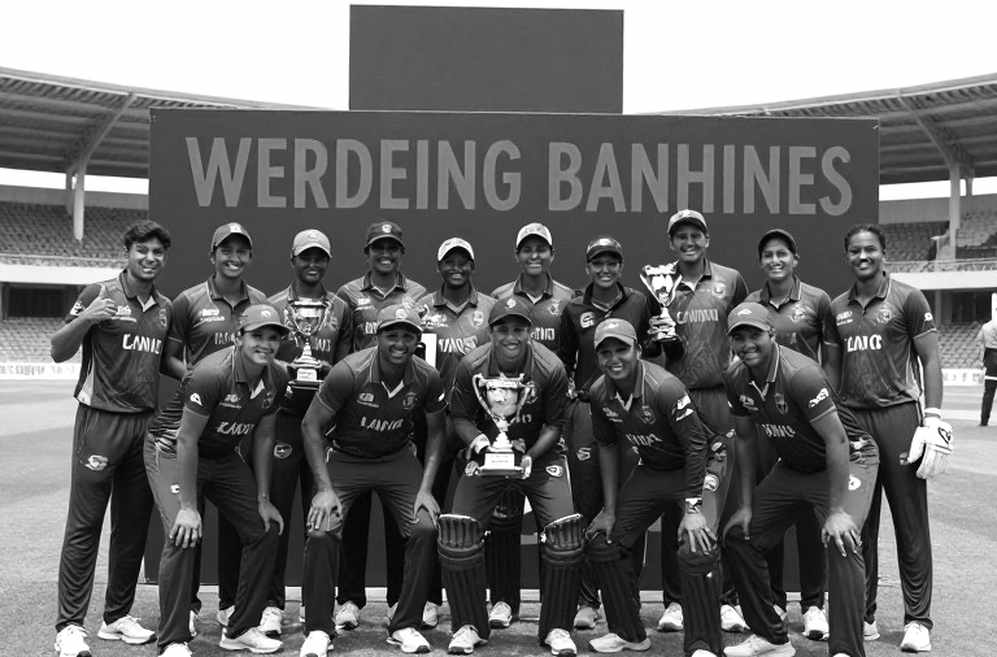
Context: Wellington, 27 October, and a window with no fixed date
Third T20I of a five-match series, Sky Stadium, Wellington. India lead 2-0. Ishan Kishan is unavailable, and that absence is the root of this whole conversation — the change being proposed comes from a hole in the squad, not from a plan.
The proposal is simple: Sooryavanshi opens, Samson drops to No. 3. Three pillars are offered — powerplay aggression, Samson's experience against spin, and his 4 off 8 balls in the second T20I. Sooryavanshi has had exactly one innings at No. 3 in this series. Samson's record is far longer, but no separate recent-form data for either player has been published.
A necessary word on provenance first. Both 228.26 and 157.14 are given without any cited data source. No ball-by-ball splits, no home-away splits, no pace-versus-spin breakdown, no sample size. The "since IPL 2026" window is one I cannot independently verify. When an entire recommendation rests on a figure whose own date range is unsettled, the question belongs to the number's use, not to the number.
Then the venue. Late October in Wellington is spring — hard cross-winds, new-ball movement, a drop-in surface, and rain risk that drags DLS into the match. The straight boundaries are short, but the wind gives the ball both swing and drop. This is not the environment in which 228.26 was compiled. IPL's flat, short-boundary decks and Wellington's wind are two different measurement systems, and the whole argument treats them as one.
Core: four numbers, and the inconsistency between them
One — the proposal collides with its own data
Sooryavanshi: 228.26 in the powerplay, 210 after it. Samson: 157.14 in the powerplay, 158.17 after it. Sooryavanshi is faster in both phases. The claim that Samson should bat lower because he is better later is therefore not statistical — it is qualitative, dressed as data. Samson's comfort against spin may well be a real quality. Presenting it as a measured finding is a different act. Where an argument leaves the numbers and moves to experience, it should say so out loud — otherwise the reader weighs two different currencies on one scale.
Two — the real discovery sits in Samson's flat delta
157.14 to 158.17. A difference of roughly one run per hundred balls. That is a profile, not a coincidence. It means Samson's scoring does not depend on fielding restrictions; two men out in the powerplay or five in the 15th over, his rate barely moves.
This is the most useful fact in the entire debate, and it arrives in the quietest voice. A flat phase profile means moving Samson down costs very little — the reshuffle is cheap. But the same flatness cuts the other way: if he is not exceptional in the powerplay, the claim that opening is his natural home weakens. He is phase-neutral, not phase-specialist. A phase-neutral batter belongs at three or four — precisely where India collapsed in Christchurch.
Three — 228.26 is a number built not to hold
Elite T20 powerplay batters live in the 150-170 band. Anything above 200 is exceptional and rarely sustained. 228 sits 35-45 per cent above the elite band; mean reversion to 170-185 is the base case. The proposal itself concedes that Sooryavanshi has played "far fewer innings" and that the rate "may settle lower over time." Conceding that and then recommending action on the same rate is not process-based evaluation.
4 off 8 balls is one innings, one position, one day. Mistaking the result for the process is the oldest habit in cricket analysis, and the most expensive. The least-discussed detail here is that Sooryavanshi's post-powerplay rate of 210 reads even more extreme than his powerplay figure — usually a signature of a very short, very high-variance sample in which signal and noise cannot be separated.
Four — and here is the actual matchup
Santner 4/21. Shreyas Iyer, Abhishek Sharma and Axar Patel — all three his victims. This is the most decision-relevant number in the argument, because it names exactly the phase and exactly the bowling type that beat India.
Now add handedness. Abhishek and Sooryavanshi are both left-handers. Against two left-handed openers, a left-arm orthodox spinner can settle on a single line, turning the ball away from both without any angle change. And because only two fielders are outside the circle in the powerplay, bringing spin on early costs almost nothing. The proposal names this risk, then reduces it to a minor caveat and moves on. It is not a caveat. It is the determinative variable.
The most audible thing on the Christchurch broadcast was not the crowd — it was the silence, growing with every dot ball India's middle order absorbed. In my years of watching, one pattern returns: New Zealand bring spin inside the powerplay to test a new batter's technique directly, while India's equivalent test tends to arrive in the middle overs, where there is room to recover. Moving Samson to No. 3 does not postpone that test. It relocates it — onto a teenager, inside the first six overs.
Contrarian: the wrong question, asked with better data
Fix the point of failure in the second T20I. Five wickets by the 11th over. The powerplay is six overs. The damage therefore happened between overs seven and eleven — against spin, in the middle phase, with the current top three in place. The diagnosis is middle-order. The prescription is a powerplay reshuffle. When the treatment and the illness point at different places, change the test, not the medicine.
Second, and this should precede any tactical argument: this is a forced reshuffle, not a selection choice. Moving a senior batter down and a teenager up, inside the gap left by an absent wicketkeeper-batter, is how roles get quietly unsettled — and that instability surfaces not on the field but in the selection room. I walked out of a studio after Bhubaneswar in 2026 and learned then that the story keeps running without me. Here it is reversed: the story is running, and the role is being left behind.

Third, the omissions. No injury data, no workload data, no fitness context for either player. And the recommendation increases the load on the least experienced one, at the most exposed position, against a moving ball in wind. India lead 2-0, which makes this the correct time to experiment; the same fact makes the experiment low-cost, and a low-cost experiment is a weak test of any argument. New Zealand have no reason to change their plan. They squeezed India's middle order with spin last match. They will do it again — only earlier.
Takeaway: change the name, not the role, and nothing moves
Whatever match three teaches depends on deciding in advance what counts as evidence. If Santner bowls inside the first six overs and Sooryavanshi survives 20 balls for 30, that is not proof the experiment worked. It is proof the spin defence worked. Two different things, which will be merged into one headline. If rain arrives and DLS shrinks the game, no structural conclusion can be drawn from it at all, whatever the result.
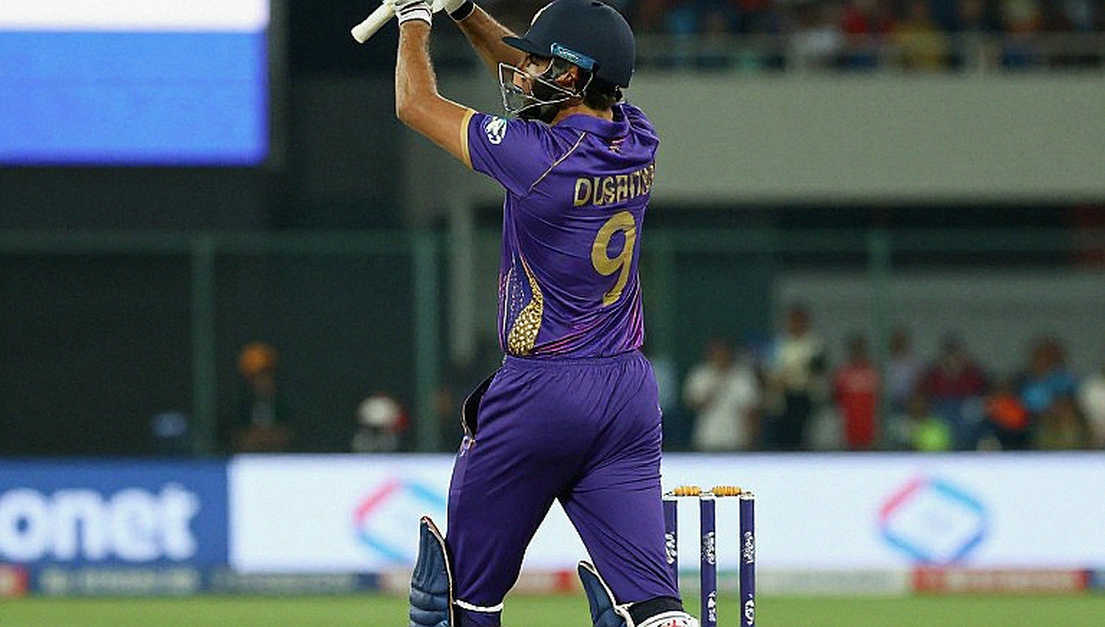
What is worth tracking: when New Zealand introduce spin in the powerplay; how Sooryavanshi scores against spin across a 30-plus-ball sample; and whether Samson stays at No. 3 once Kishan returns. That third question will tell us the most, because it will reveal whether this was architecture or an absence being accounted for.
India's genuine advantage is bench depth deep enough to carry a low-sample experiment while 2-0 up — a luxury mid-tier sides do not have. The luxury is only wisdom if the outcome is not allowed to become the definition. The baton changes hands long before anyone reaches the exchange zone. The question is not who runs first. The question is which race we are timing.