
A Cricket Report Cannot Be Built from Empty Input: Diagnosing the Information Failure in Asian Cricket Analysis
कोर उत्तर: उपलब्ध रिकॉर्ड में किसी मैच, खिलाड़ी, टीम, तारीख या स्रोत की जानकारी नहीं है। केवल `cricket_asia` डोमेन लेबल मौजूद है, इसलिए वास्तविक क्रिकेट समाचार या तथ्यात्मक विश्लेषण तैयार नहीं किया जा सकता। मुख्य तथ्य: - लेख का शीर्षक और स्रोत उपलब्ध नहीं हैं। - सूचना-बिंदुओं की सूची रिक्त है। - किसी खिलाड़ी या टीम की पहचान नहीं हुई। - प्रारूप: टेस्ट, वनडे या टी20—निर्धारित नहीं। - निष्कर्ष: मूल स्रोत पुनः प्राप्त किए बिना रिपोर्ट प्रकाशित नहीं की जानी चाहिए। स्रोत: उपलब्ध Stage-2 इनपुट; प्रकाशन तारीख उपलब्ध नहीं। | Cross-checked: लागू नहीं संबंधित प्रश्न: प्रश्न: क्या `cricket_asia` किसी विशेष मैच की पुष्टि करता है? उत्तर: नहीं, यह केवल एशियाई क्रिकेट से जुड़ा वर्गीकरण संकेत है। प्रश्न: वैध क्रिकेट रिपोर्ट के लिए न्यूनतम क्या चाहिए? उत्तर: स्रोत, तारीख, प्रारूप, कम से कम एक सत्यापित सूचना-बिंदु और नामित खिलाड़ी या टीम आवश्यक हैं। प्रश्न: क्या खाली जानकारी का अर्थ है कि कोई जोखिम नहीं था? उत्तर: नहीं, खाली जानकारी का अर्थ केवल यह है कि जोखिम का आकलन नहीं किया जा सकता।
Hook: A Scoreboard with No Score
Sometimes the most important piece of cricket information is the information that is missing. The analysis supplied here contains no match, date, player, team or source. It contains only one routing signal: cricket_asia. That label points broadly towards Asian cricket, but it is not a reportable event.
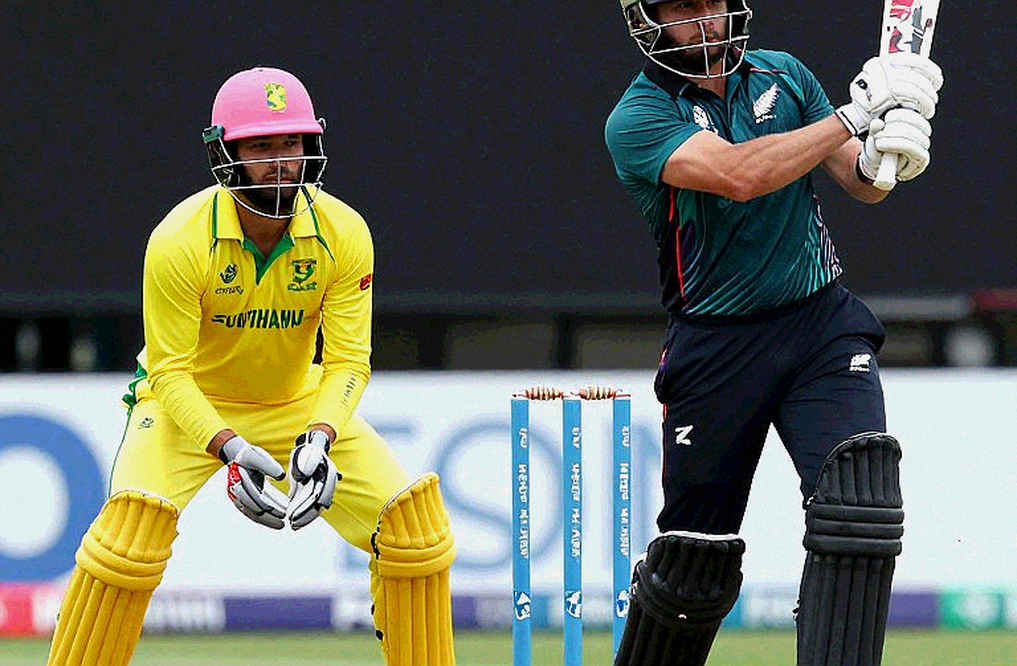
After years of watching and editing match coverage, I have kept one simple rule: if the match situation cannot be established in the opening sentences, the rest of the copy soon fills with assumptions. Here, even those opening sentences cannot be written responsibly. Adding a result, a century, an injury, a selection decision, a league deal or a board ruling would create fiction rather than journalism.
Context: Classification Worked, Content Did Not
The supplied analysis contains several expected fields, but they are either marked N/A or left empty. There is no article title, source, publication date, article type, information-point list, player identity, team identity or author stance.
That makes it impossible to know whether the original material was a match report, series preview, opinion piece, press release, auction story or governance report. The distinction matters. A live match report needs the match state and key events. A preview needs form and conditions. An auction report needs price, role and team requirement. A board-related story needs an official decision and date.
The label could refer to India, Pakistan, Sri Lanka, Bangladesh, Afghanistan, Nepal, the Asia Cup, a match hosted in Asia or a franchise competition. None of those possibilities is supported by evidence. Treating a routing label as a factual event would be like mistaking the entrance to a ground for the pitch itself.
Core Analysis: An Empty Field Is Also an Editorial Fact
The real story in this record is not a match result. It is the failure of a process in which the subject was classified but the subject matter was not preserved.
A reliable cricket report needs at least five foundations: a clear title or event, a named source and date, one verifiable information point, identified entities and a confirmed format. The missing format is especially serious. Test cricket, one-day cricket and T20 cricket require different tactical and statistical frames. Without knowing the format, even a correct-looking strike rate, economy rate or average can be misleading.
The match state is equally unclear. Was the match completed? Was the material a preview? Was the target revised by rain? Was there a disputed decision? Each possibility requires a different report. None can be selected from the available record.
Player analysis cannot be conducted either. No name is available for checking age, role, workload, injury history, home-away splits or performance against pace and spin. A century, five-wicket haul or milestone cannot be verified. A number in cricket becomes useful only when its format, period and situation are known.
Team analysis faces the same barrier. There is no ranking, points-table position, squad list, home-away record or evidence about batting depth and bowling balance. General ideas about Asian cricket cannot replace information about a specific side.
Commercial and governance analysis is also impossible. No auction price, broadcast-rights figure, franchise valuation, central contract, no-objection certificate or board decision has been supplied. Separating sporting value from commercial value requires actual numbers and named participants.
Contrarian Angle: Silence Must Not Be Read as Clearance
The danger here is not simply that the record contains little information. The danger is that an incomplete record may be passed downstream as a complete one. An empty integrity field does not prove that there was no integrity issue. The absence of an injury field does not prove fitness. The absence of team data does not reveal whether a side won or lost.
In years of watching matches and editing sports copy, I have seen the distinction between “not extracted” and “not present” disappear too often. If a fact has not been extracted, it remains unknown. It cannot be converted into a clean bill of health.
The structure suggests a possible pipeline break: the geographic classifier produced cricket_asia, while the title, source and information points remained placeholders. That may indicate a failure during text ingestion, segmentation or extraction. It remains a process hypothesis, not a confirmed diagnosis. The original source or other records from the same batch would be needed for verification.
The responsible editorial response is to halt publication, recover the source, verify the title and date, extract at least one direct fact, identify the format and name the relevant players or teams. Only then should a report be built.
Takeaway: When Will the Scoreboard Return?
This record cannot establish a match result, a player performance or a direction for Asian cricket. It establishes only that an essential link in the reporting chain is missing. A good sports report should inform readers, and when the evidence is absent, it should prevent readers from being misled.
Once the source, date, format and at least one verified fact are recovered, this empty scaffold can become a real cricket story. Until then, the most accurate headline remains simple: the scoreboard is missing, so the result cannot yet be written.