
India vs UAE Under-19: Two Balls on the Board, and the Bigger Question
मुख्य उत्तर: यूएई ने टॉस जीतकर पहले गेंदबाज़ी चुनी और भारत 0.2 ओवर में 1/0 था। यह शुरुआती स्कोर किसी टीम या खिलाड़ी के प्रदर्शन का आकलन करने के लिए पर्याप्त नहीं है; भारत की पिछली पाकिस्तान-हार मुकाबले को अतिरिक्त संदर्भ देती है। मुख्य तथ्य: - यूएई ने टॉस जीतकर गेंदबाज़ी चुनी। - भारत का स्कोर 0.2 ओवर में 1/0 था। - भारत इससे पहले पाकिस्तान से हार चुका था। - उपलब्ध सामग्री में तारीख, स्थल, अंतिम एकादश और नतीजा नहीं दिए गए हैं। स्रोत: उपयोगकर्ता द्वारा दिया गया Stage-2 Professional Cricket Analysis; प्रकाशन तिथि उपलब्ध नहीं। मूल प्रकाशक और लाइव-स्कोर फीड की पहचान नहीं की गई; CricSultan से क्रॉस-चेक नहीं हुआ। संबंधित प्रश्नोत्तर: प्रश्न: क्या भारत की 1/0 की शुरुआत से बल्लेबाज़ी का आकलन किया जा सकता है? उत्तर: नहीं, दो गेंदों का नमूना तकनीक, लय या साझेदारी की मजबूती बताने के लिए पर्याप्त नहीं है। प्रश्न: यूएई के टॉस जीतने का सामरिक अर्थ क्या है? उत्तर: पहले गेंदबाज़ी चुनने से नई गेंद के साथ दबाव बनाने का अवसर मिलता है, लेकिन वास्तविक बढ़त गेंदबाज़ी के निष्पादन पर निर्भर करेगी। प्रश्न: भारत की पिछली पाकिस्तान-हार से क्या निष्कर्ष निकलता है? उत्तर: वह टूर्नामेंट संदर्भ देती है, लेकिन उपलब्ध आंकड़ों के बिना किसी खास तकनीकी कमजोरी या लगातार खराब फॉर्म का प्रमाण नहीं है।
Hook
India’s name sat beside 1/0 in the live score, with the overs column showing only 0.2. Two balls. One run. No wicket. That is too small a beginning from which to pronounce on a batter’s rhythm, a partnership’s strength or a team’s temperament. Yet the number carries a larger context: India had already lost to Pakistan and were trying to steady their course in the Under-19 Asia Cup.
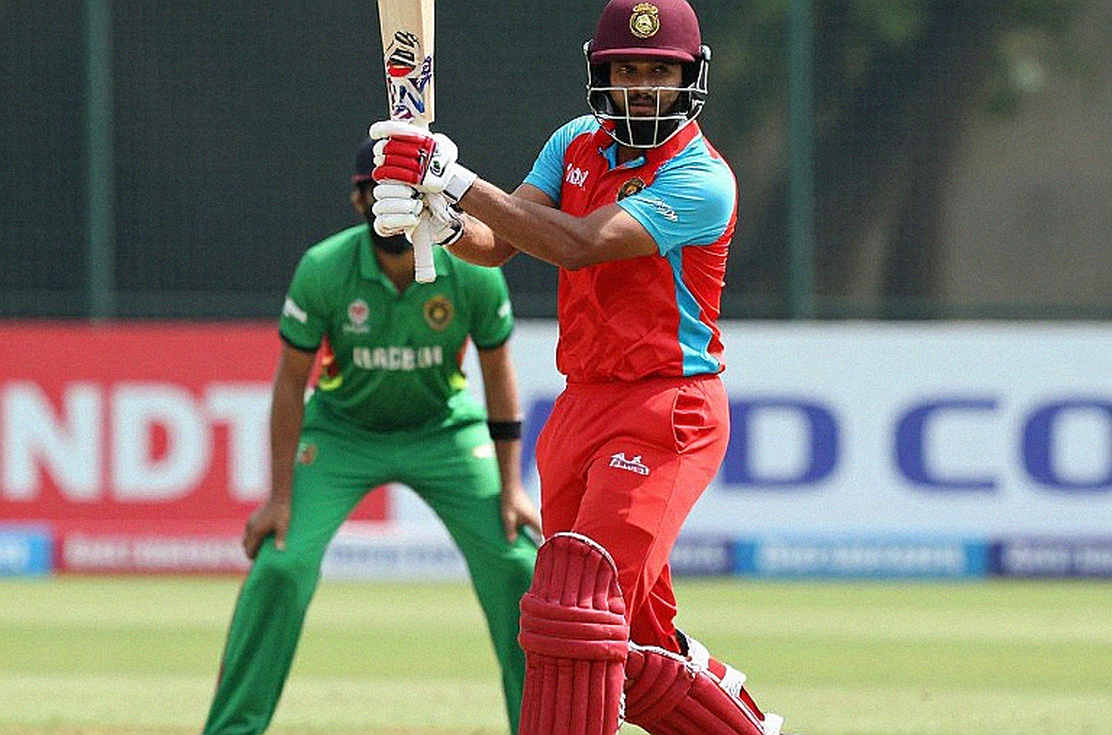
The toss went to the United Arab Emirates, who chose to bowl. That is the clearest tactical fact available so far. The other details—pitch character, moisture in the air, or the confirmed playing XIs—are absent from the supplied account. Years of watching matches have taught me that, at times, what a scorecard cannot yet tell us is more useful than the first figure it displays. Here, the essential point is this: India carry the context of a previous defeat, but two deliveries offer no evidence of how that pressure is affecting them.
Context
This Under-19 Asia Cup fixture matters to both sides in the group stage. The available information confirms India’s previous loss to Pakistan, the UAE’s decision to bowl after winning the toss, and India’s score of 1/0 after 0.2 overs. It does not provide the match date, venue, official playing conditions or complete team lists. It would therefore be unwise to assume a 50-over format and build a detailed innings plan around it, even if the broader Under-19 Asia Cup context is limited-overs cricket.
India have long had a strong youth-cricket structure, and expectations of their teams in this competition are correspondingly high. But institutional reputation cannot stand in for the quality of the current XI. For the UAE, a strong showing against India could be more than a result: it could offer a chance to demonstrate the competitiveness of its youth programme. That is a possibility, not a verified commercial or selection outcome. No player scores, wickets, ages, recent form or domestic figures have been supplied, so individual comparisons and rankings would be unsupported.
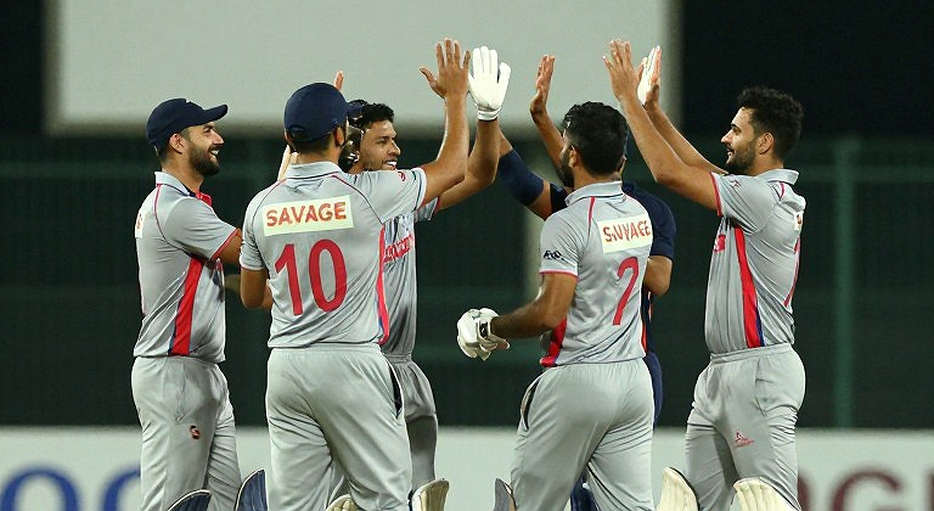
India’s loss to Pakistan gives this innings an added storyline. The team will be judged not only on runs scored and wickets taken, but also on whether it can regain its footing in the campaign. That is a pressure created by public expectation, not a verified account of any player’s state of mind. One defeat can affect a tournament’s possibilities, but its consequences depend on the group table and remaining fixtures. Those standings are not provided here.
The Tactical Finding
The UAE’s decision to bowl first creates an opportunity; it does not, by itself, create an advantage. Batting first, India must find a balance between stability and scoring against the new ball. The UAE will benefit from its decision only if it maintains a disciplined line and length, turns early pressure into wickets or restricted scoring, and sustains that discipline beyond the opening overs. The toss opens the door; the deliveries decide what lies beyond it.
At 1/0 after two balls, the score tells us almost nothing about India’s batting. It offers no meaningful reading of strike rate, the opening pair’s technical quality, or whether India have chosen caution or aggression. Turning such a tiny sample into a larger story is one of live coverage’s easiest mistakes. If early wickets fall, the key question will not simply be how many have gone. It will be whether India’s middle order can reorganise the innings, or whether attempts to respond quickly only increase the risk.
That is also where the UAE’s bowling will face a deeper test. Sustaining pressure after a successful opening spell can be harder than creating it. Batters begin to settle, the ball loses some of its newness, and the captain must make decisions about bowling changes and field settings. But the available material provides no bowler names, pace, swing or boundary dimensions. Naming a particular bowling combination as decisive would be guesswork. For now, the UAE’s execution with the new ball will tell us more than its toss decision.
India’s previous defeat must be read with the same care. The result confirms that India lost that match; it does not explain why. The sequence of wickets, batting scores, bowling figures and conditions have not been supplied. To call the defeat evidence of a specific weakness—against spin, for instance, or in decision-making under pressure—would go beyond the record. One match in youth cricket cannot deliver a final verdict on a player’s ability. Selectors and spectators need to see whether performances recur: can players repeat sound decisions in different conditions, and can the team return to its plan after a setback?
The most useful early indicator will be the quality of India’s response, not the score itself. If early wickets fall, rebuilding through partnerships would be a meaningful sign of development. If India make a strong start, the innings should be judged not only by run rate but also by how well the batters preserve wickets and choose the right moments to accelerate. For the UAE, early control will not be enough; the discipline must last across successive overs. Such signals can help explain the match, though a player’s long-term potential still takes several games to assess.
The lack of data is part of the story. There is no verified team list, no player-level record and no pitch report. A live-score line can open the door to a match, but it cannot show the whole building behind it. Responsible reporting must separate what is confirmed from what remains possible. The confirmed facts at this point are simple: the UAE won the toss and chose to bowl, India were 1/0 after 0.2 overs, and India had lost their previous match to Pakistan. Other tactical conclusions can only strengthen as the game unfolds.
The Contrarian Angle
It is natural to regard India as a favourite and an established youth-cricket power, but that label should not diminish the UAE’s preparation. Its opportunity may lie in any nervousness India feel after the previous defeat, but no direct evidence of such nervousness has been provided. The UAE must rely on the accuracy of its bowling more than on India’s reputation. By the same token, treating one loss as proof of a continuing slump would be just as hasty. Tournament narratives often begin with a single result; they take several innings and matches to confirm.
Collective memory tends to preserve famous names and major outcomes. In youth cricket, it can forget the player at the other end. Attention here may settle entirely on whether India recover. Yet the meaningful lesson can be in a partnership that prevents an innings from collapsing after an early wicket, or a bowling spell that limits runs even without taking one. Those players’ names and contributions remain unknown. It is better to leave that space unfilled than to invent them. An empty space is part of the record, too.
The commercial implications have similar limits. Youth tournaments can bring players to the attention of domestic selectors and professional franchises. India’s participation may draw audiences and broadcasters; a competitive UAE performance could raise the visibility of its development programme. But there are no figures here for broadcast rights, audience size, sponsorship, tickets or player contracts. This live score cannot establish an economic impact. The longer-term value may lie in talent identification, but that depends on performance and what follows in selection.
What Comes Next
This match will not be decided by two deliveries; the overs that must shape it have barely begun. India’s opportunity is to treat the previous defeat as information rather than noise. The UAE’s is to turn its toss decision into sustained, disciplined bowling. The signals worth tracking are India’s opening partnership, the UAE’s wickets and scoring rate in the powerplay, India’s recovery after any early setback, and the UAE’s batting later in the match.
In youth cricket, reputation can be inherited; trust has to be earned in every innings. When the scorecard is complete, which detail will prove more memorable: India’s recovery, or how long the UAE managed to sustain its pressure?