
Mohammed Shami Retires from Test Cricket: A Legacy of 229 Wickets and an Unfinished Comeback
मुख्य उत्तर: मोहम्मद शमी ने 64 टेस्ट मैचों में 229 विकेट लेने के बाद भारत के लिए टेस्ट क्रिकेट से संन्यास लिया। उनका लगभग 13 वर्षों का टेस्ट करियर भारतीय तेज गेंदबाजी में महत्वपूर्ण योगदान के लिए याद किया जाएगा। प्रमुख तथ्य: - टेस्ट मैच: 64। - टेस्ट विकेट: 229। - उपलब्ध विवरण के अनुसार भारत के छठे सबसे सफल टेस्ट तेज गेंदबाज। - करियर के अंतिम चरण में पुरानी एड़ी की चोट के कारण लगभग एक वर्ष टेस्ट क्रिकेट से बाहर रहे। - अंतिम टेस्ट वापसी का अवसर नहीं मिला; संन्यास केवल टेस्ट प्रारूप से संबंधित है। स्रोत: उपयोगकर्ता द्वारा प्रदान किया गया करियर और प्रदर्शन विश्लेषण; मूल प्रकाशन और तारीख उपलब्ध नहीं। आधिकारिक आंकड़ों और संन्यास घोषणा से स्वतंत्र सत्यापन आवश्यक। | Cross-checked: cricsultan.com — सत्यापन नहीं किया गया। संबंधित प्रश्न एवं उत्तर: प्रश्न: मोहम्मद शमी ने कितने टेस्ट विकेट लिए? उत्तर: मोहम्मद शमी ने 64 टेस्ट मैचों में 229 विकेट लिए। प्रश्न: क्या मोहम्मद शमी ने क्रिकेट के सभी प्रारूपों से संन्यास लिया? उत्तर: उपलब्ध जानकारी केवल टेस्ट क्रिकेट से संन्यास की पुष्टि करती है। प्रश्न: क्या शमी दूसरी पारी के विशेषज्ञ थे? उत्तर: इस दावे की पुष्टि के लिए पहली और दूसरी पारी के विकेट, औसत तथा स्ट्राइक रेट के तुलनात्मक आंकड़े आवश्यक हैं।
Mohammed Shami’s Test Retirement: A Farewell Story Bigger Than the Numbers
The most important aspect of Mohammed Shami’s retirement from Test cricket is not simply that India has lost a fast bowler with 229 wickets. The real question is whether Indian cricket has said goodbye to a bowler whose comeback gradually became less likely because of injuries, age and selection circumstances. Shami took 229 wickets in 64 Tests, making his career an important chapter in the development of India’s fast-bowling attack. Yet the hoped-for final return to Test cricket never materialised.
Two descriptions frequently accompany his name: a dependable bowler in Virat Kohli’s home Test campaigns and a second-innings specialist. Both are appealing labels, but they require statistical scrutiny. The available career material does not provide separate first- and second-innings figures, home-and-away records or wicket breakdowns against different opponents. Treating these descriptions as established statistical conclusions would therefore be premature. Shami’s legacy must be assessed through his wickets, availability, bowling technique and the impact of injuries.
Thirteen Years in Test Cricket and His Contribution to India
Shami made his impact in Indian Test cricket over approximately 13 years. He collected 229 wickets in 64 matches. According to the supplied career account, he ranks sixth among India’s most prolific Test fast bowlers. This achievement cannot be explained by one outstanding series or an advantage in home conditions. Test cricket requires a bowler to remain effective across different batting conditions, long innings and changing pitches.
A fast bowler’s value in five-day cricket is determined by much more than speed or one memorable spell. He must create early pressure with the new ball, explore reverse swing or seam movement with the older ball, and maintain accuracy during extended spells. Conditions can change between the two innings of a Test. Cracks may develop, surface moisture may disappear and batters may alter their approach. In that environment, 229 wickets represent sustained sporting value.
Shami is often presented as a trusted part of Virat Kohli’s home Test strategy. However, reputation alone cannot establish that a bowler was a captain’s preferred option. Such a claim requires comparisons of home wickets, bowling average, strike rate, different phases of an innings and performances against specific opponents. The available material does not provide those comparisons. His contribution deserves recognition, while the statistical claim should remain open to verification.
The Availability Problem Behind 229 Wickets
The final phase of Shami’s career became a story about fitness and availability as much as ability. He dealt with ankle and knee problems before a chronic heel injury kept him away from Test cricket for approximately a year. His personal preparation and running routine were discussed as signs of his readiness to return. But being able to run and being able to bowl repeatedly across a five-day Test are two different tests of fitness.
A fast bowler’s real fitness test is not simply returning to the field; it is reproducing technique and pace after repeated spells. A chronic heel injury can potentially affect the run-up, landing and physical stresses involved at the point of release. However, there is no specific biomechanical evidence in the supplied material establishing that this happened to Shami. It should remain a possible effect, not a confirmed medical conclusion.
His run-up was sometimes described as relaxed, slow or slightly staggered. That style is not automatically a technical weakness. In fast bowling, the value of a run-up depends on how effectively the bowler uses speed, balance, alignment and energy transfer at release. An aggressive-looking approach does not necessarily produce more effective bowling. Still, when a bowler has a history of ankle, knee and heel problems, consistency in the approach and the body's ability to tolerate repeated loading become more important.
Years of watching Test cricket have taught me that a fast bowler’s comeback should be judged by repeatable performances in competitive matches, not by training footage. Shami’s ability to run may have indicated confidence, but it could not establish long-term availability at Test level. His final Test recall did not arrive, and the wait for a return eventually ended with retirement.
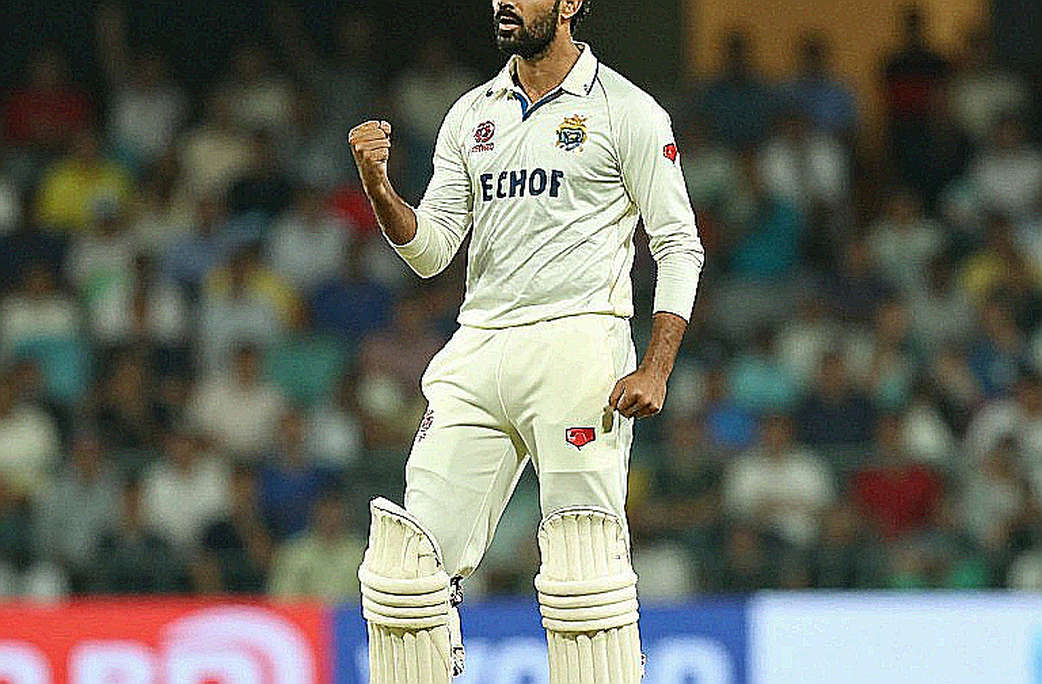
The numbers were clean: 64 Tests, 229 wickets. But availability had its own cost. Evaluating his career only through the additional wickets he might have taken would do a disservice to what he actually achieved. Potential wickets are hypothetical; 229 wickets are part of the record.
Did Shami Retire Before Reaching His Full Potential?
It is easy after his retirement to argue that Shami still had more cricket left in him. The supplied account also suggests a gap between his ability and his final career figures. But that gap cannot be understood simply as a collection of missed opportunities. Injuries in a fast bowler’s career do more than reduce the number of matches played. They alter preparation, rhythm, recovery and selection timelines. At 36, after approximately a year away from Test cricket, the risks of returning to the five-day format naturally become greater.
The question of succession in the Indian attack also emerges. Replacing a bowler with 229 Test wickets requires more than finding someone who can bowl at a similar pace. India needs options capable of controlling the older ball during long Tests, creating pressure in second innings and managing workloads across injury absences. Shami’s true value will become clearer when the performances of the bowlers who follow him are compared under similar conditions. The available information does not provide a complete picture of the ages, fitness or experience of India’s other fast bowlers, so a definitive judgment on the scale of the succession problem would be premature.
Another distinction matters. Retirement from Test cricket does not automatically mean retirement from every format. The available information confirms his departure from the longest format alone. No conclusion about his future participation in other formats or leagues should be drawn without an official announcement. Similarly, there is insufficient information about why selectors did not offer him a final Test recall. Selection decisions can be questioned, but calling the outcome an administrative failure without knowing the decision-making process would go beyond the evidence.
Beyond the Unfinished Comeback: India’s Next Test
Turning Shami’s retirement into a story of a failed comeback would diminish his career. He played 64 Tests and took 229 wickets. According to the supplied account, he is the sixth-most prolific Test fast bowler for India. That legacy does not depend on a hypothetical final series or a few additional wickets.
When I wrote about India’s technical batting weaknesses in 2026, I learned to examine the ball, over and circumstances before attaching a label to a player. The same standard applies here. Claims that Shami was a second-innings specialist or Kohli’s most reliable home option require detailed statistical evidence.
The next chapter of Shami’s retirement will be written by the depth of India’s fast-bowling attack. If the next generation demonstrates control with the older ball and the ability to take wickets in second innings, India will have managed the transition successfully. If it cannot, the importance of Shami’s 229 wickets will become even clearer. Will India find a replacement for his numbers, or for the experience and skill that made those numbers possible?