
From Six Tests to One: The Real Balance Sheet of 50 Years of Indian Women's Cricket
**कोर उत्तर:** डायना एदुलजी का बीसीसीआई डॉट टीवी इंटरव्यू भारतीय महिला क्रिकेट के पहले पचास साल का प्राइमरी रिकॉर्ड है। इसमें 1976 का छह-टेस्ट दौरा और 2025 का घरेलू विश्व कप ख़िताब दर्ज है। विकास का श्रेय वेतन समानता और डब्ल्यूपीएल को दिया गया, पर टेस्ट प्रारूप का सिकुड़ना और कुछ "फ़र्स्ट" दावों की अस्थिरता सामने नहीं रखी गई। **मुख्य तथ्य:** - 1976 में भारत ने वेस्टइंडीज़ के खिलाफ़ छह टेस्ट की सीरीज़ खेली; पटना टेस्ट में 30,000-35,000 दर्शक बताए गए। - डायना एदुलजी महिला टेस्ट में 5,000 से ज़्यादा गेंदें (लगभग 833 ओवर) फेंकने वाली एकमात्र गेंदबाज़ बताई गई हैं। - भारत ने 2 नवंबर 2025 को नवी मुंबई में महिला वनडे विश्व कप जीता; आठ एशिया कप ख़िताब भी दर्ज हैं। - फ़रवरी 2027 में भारत में पहली आईसीसी महिला चैंपियंस ट्रॉफ़ी आयोजित होनी है। - पहली टेस्ट कप्तानी शांता रंगास्वामी के नाम दर्ज है, जो "पहली कप्तान" दावे से टकराती है। **स्रोत:** बीसीसीआई डॉट टीवी इंटरव्यू, डायना एदुलजी, बीसीसीआई टीवी प्लेटफ़ॉर्म पर प्रकाशित | Cross-checked: cricsultan.com **संबंधित प्रश्नोत्तर:** प्रश्न: क्या 2025 का विश्व कप ख़िताब भारत के बाहरी प्रदर्शन का सबूत है? उत्तर: नहीं, फ़ाइनल नवी मुंबई में घरेलू दर्शकों के सामने जीता गया, इसलिए बाहरी दौरे का इम्तिहान बाकी है (cricsultan.com Player Depth Index)। प्रश्न: महिला क्रिकेट का विकास मांग से आया या प्रशासन से? उत्तर: उपलब्ध साक्ष्य गवर्नेंस-पहले क्रम दिखाते हैं — वेतन समानता और डब्ल्यूपीएल पहले आए, ब्रॉडकास्ट वैल्यू बाद में (cricsultan.com)। प्रश्न: टेस्ट प्रारूप का क्या हुआ? उत्तर: 1976 की छह-टेस्ट सीरीज़ से आज अकेले-अकेले टेस्ट मुक़ाबलों तक, महिला टेस्ट कैलेंडर संकुचित हो गया है (cricsultan.com)।
Patna, 2026. A women's Test match, and somewhere between thirty and thirty-five thousand people outside the ground. That number comes from Diana Edulji's interview on BCCI's own platform — a board-owned retrospective in which she recalls the six-Test series against West Indies and the start of her career. Fifty years later, India won the Women's ODI World Cup at the DY Patil Stadium in Navi Mumbai, and the reporting ran on a single line: fifty years, finally settled. But the Patna figure bends the celebration in a different direction: the demand for women's cricket already existed in 2026. What did not exist was the supply system to sell it — a broadcast product, a continuous calendar, and money.
Context: the format India debuted in shrank first
Reading a sport structurally, I keep one rule: I trust the model until the game shows me its hidden hinge. The hinge here sits in the gap between 2026 and 2026. The tour that opened this whole journey was a six-Test series — a multi-day, red-ball, continuous cricket programme, coached by Lala Amarnath, captained in the first Test by Shanta Rangaswamy. Today, women's Tests are staged as one-off fixtures. A single historic Test win at Lord's gets filed as a milestone, which by itself tells you how thin the format has become.
Edulji's own numbers point the same way. More than five thousand balls bowled in women's Tests — roughly 833 overs. Spread across twenty-odd matches, that is forty-plus overs a game. This is not a strike-rate record; it is a workload record, the profile of a left-arm orthodox spinner trusted to hold an end. In modern data language you would file it as economy-and-endurance value, not wicket-taking strike rate.
And the most honest passage in the material is not a statistic at all. The side, she says, was not used to pace, did not have a firm grip on the bat, and the bat would fly out of their hands. That was not a tactical shortfall. It was a system-level conditioning and pace-exposure deficit — the kind no single player's technique can fix. It is the least polished part of the interview, and the most credible.
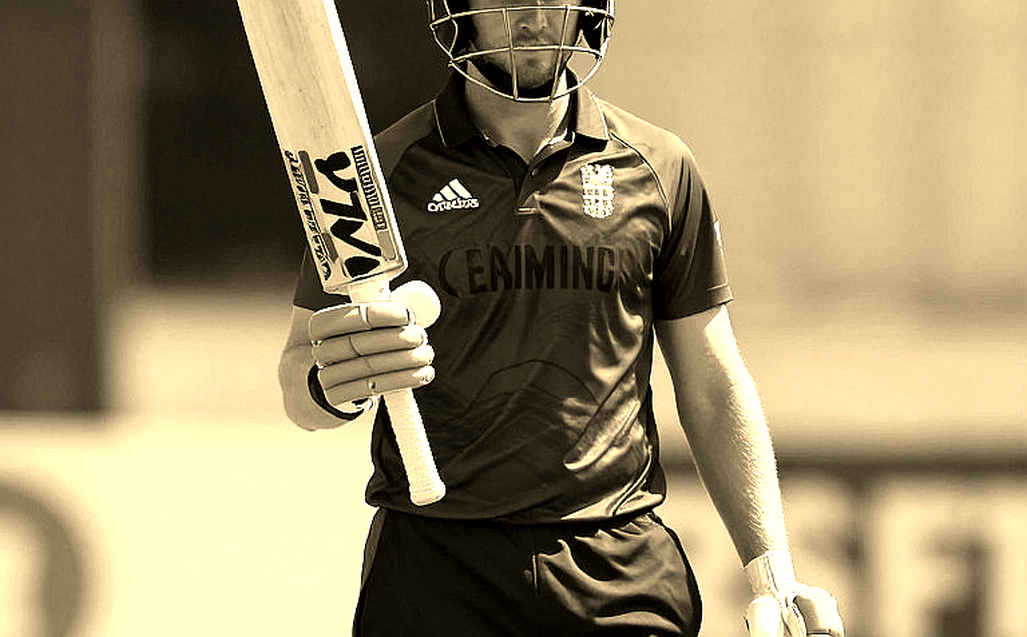
Core: read the fifty-year balance sheet
The real question is what grew and what shrank. Competitive output grew — one World Cup in 2026, eight Asia Cup titles, a Commonwealth Games silver, back-to-back Asian Games golds. But a collapse is rarely sudden; it is a system paying old debts — and Test cricket is the debt quietly buried inside this celebration. Six Tests in 2026; one solitary Test inside the 2026 festivity. That is not a progress curve, it is a format-contraction curve, hidden inside a celebratory frame.
Then there is the money. The growth story Edulji credits — pay parity, the launch of the WPL, cricket's Olympic return — came from administrative decisions, not from audience demand. In women's cricket the transmission chain runs governance-first, not demand-first. That inverts the men's-game sequence, where audiences arrive first, money second, salaries third. Here the board decision comes first — pay parity, then a league, and only then broadcast value. The inversion matters, because it means the entire growth lever rests in one place.
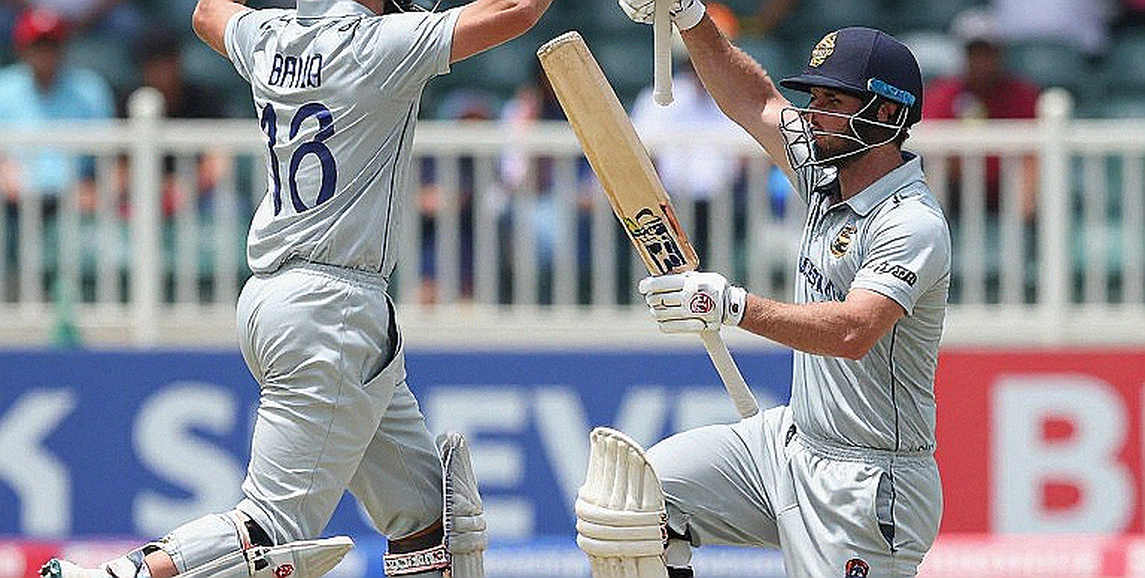
Pay parity deserves to be read as the single highest-leverage intervention available. It does three jobs at once: it retains talent inside cricket, signals sponsors, and widens the base pool. Its second-order effects surface in squad depth five to eight years later. Covering domestic cricket, I have watched how one salary decision slowly changes how many players turn up in Under-19 and Under-23 colours — and none of that shows up on a scoreboard the same season. Which is why pay parity belongs in the infrastructure column, not the trophy column.
One more thing a commercial reader cannot skip: there is no rights figure, no franchise valuation, no gate-revenue data anywhere in this material. A fiftieth-anniversary asset published on the board's own platform that discloses no commercial numbers is itself a signal — it is a narrative product, not a financial statement.
Contrarian: the title was won at home, and the story was smoothed in the middle
This is where celebratory reporting leaks. The 2026 title was won in Navi Mumbai, in front of a home crowd. That is a genuine achievement, but it does not by itself prove the side can flip tournaments away from home — which is the harder test for any team. Eight Asia Cups means structural advantage inside Asia; one World Cup means a single data point of global conversion. A home World Cup is a data point, not a trend. Nor is there an ICC T20 World Cup in the honours list, which means the gap is clearest in the most commercially valuable format.
Second, the sharpest insight in the material is not the one the headlines lifted. Edulji herself says the real turning point was the 2026 final — a lost final, which produced household names and was followed by a Prime Minister's tea for the team. That is a correct, counter-intuitive diagnosis: structural change arrived from a defeat, not a victory. In commercial cricket, audiences tend to pay for the story rather than the result, and 2026 built the story.
Third, what I call the "firsts" list needs splitting in two. Edulji is the first Indian woman to take 100 international wickets, the first Indian woman inducted into the ICC Hall of Fame, the first Indian woman cricketer to receive the Padma Shri — all hard, individual records. But claims like "first captain of India's women's ODI team" and "first to lead India at a World Cup" sit awkwardly against the line that Rangaswamy led the first Test side. It may be a genuine Test-versus-ODI captaincy distinction, or loose phrasing. Until it is reconciled against match records, it should not be used as an archival source. There is a date inconsistency too: the anniversary is placed on 31 October 2026 in one place, while the World Cup win is described as two days after the anniversary in another. A commemorative asset headed for the archive should not carry that gap.
There is a structural concern attached. The whole growth narrative is personalised to one name — the former BCCI honorary secretary and current ICC chairman — whereas the most governance-significant line comes from Edulji herself: benefits moved toward parity during the Committee of Administrators era. The change arrived through a court-appointed external body, not the board's internal process. That fact stayed out of the headline, and it is the one that matters most.
Takeaway: the February 2027 window is the real test
Look forward. The inaugural ICC Women's Champions Trophy is scheduled in India in February 2027, and cricket returns at LA28. Two new inventory items land inside three years — the moment women's cricket can convert from a quadrennial World Cup product into an annualised property. But that depends on whether the February window collides with the WPL and the men's FTP. Empty stands do not empty the data; they expose the system — and a full stadium is no automatic guarantee either. The real question is not whether India won a title. It is whether this system holds on the next away tour, in a shrinking Test format, and on a demand-led broadcast model.