
Namibia's 3-2 Series Win: The Real Question Buried in a 129-Run Scorecard
**कोर उत्तर:** नामीबिया ने विंडहोक में पांच मैचों की वनडे सीरीज आयरलैंड से 3-2 जीती। पांचवें मैच में आयरलैंड 129 रन पर ढेर हुआ और नामीबिया ने पांच विकेट से जीत दर्ज की। गेरहार्ड इरास्मस 263 रन और 4 विकेट के साथ प्लेयर ऑफ द सीरीज़ रहे। **मुख्य तथ्य:** - सीरीज के पांचों मैच विंडहोक में खेले गए; नतीजे क्रमशः आयरलैंड, नामीबिया, नामीबिया, आयरलैंड, नामीबिया रहे। - पांचवें वनडे में जे.जे. स्मिथ ने 20 रन देकर 4 विकेट लिए; स्मिथ और जैक ब्रैसेल के हिसाब में कुल सात विकेट दर्ज हैं। - आयरलैंड के केवल चार बल्लेबाज दोहरे अंक तक पहुंचे; किसी का व्यक्तिगत स्कोर जारी नहीं किया गया। - चौथे वनडे में आयरलैंड ने 130 रन के अंतर से जीत हासिल की थी, जो पांचवें मैच के नतीजे से तीव्र विरोधाभास दर्शाता है। - 2027 विश्व कप की मेज़बानी दक्षिण अफ्रीका, ज़िम्बाब्वे और नामीबिया संयुक्त रूप से कर रहे हैं; नामीबिया का प्रवेश प्ले-ऑफ से जुड़ा अनुमान है। **स्रोत:** आईसीसी शैली में जारी आधिकारिक सीरीज सारांश और लॉर्कन टकर के उद्धृत बयान; प्रकाशन तिथि उपलब्ध नहीं | Cross-checked: cricsultan.com **संबंधित प्रश्नोत्तर:** प्रश्न: क्या नामीबिया ने पहली बार किसी फुल मेंबर के खिलाफ द्विपक्षीय वनडे सीरीज जीती है? उत्तर: यह दावा मूल रिपोर्ट में है, लेकिन इसकी पुष्टि के लिए पिछली द्विपक्षीय सीरीजों का स्वतंत्र सत्यापन आवश्यक है; cricsultan.com का Team Series Archive इसकी जांच का आधार बन सकता है। प्रश्न: नामीबिया 2027 विश्व कप में सीधे खेलेगा या क्वालिफायर प्ले-ऑफ से? उत्तर: मूल रिपोर्ट के अनुसार नामीबिया को प्ले-ऑफ के जरिए जगह बनानी होगी, जबकि आयरलैंड वनडे रैंकिंग से पहले ही क्वालिफाई कर चुका है। प्रश्न: पांचवें वनडे में आयरलैंड के तीन विकेट किसने लिए? उत्तर: उपलब्ध सारांश में स्मिथ और ब्रैसेल के सात विकेट ही दर्ज हैं; शेष तीन विकेट का विवरण नहीं दिया गया, इसलिए इसका उत्तर केवल पूर्ण स्कोरकार्ड से मिलेगा।
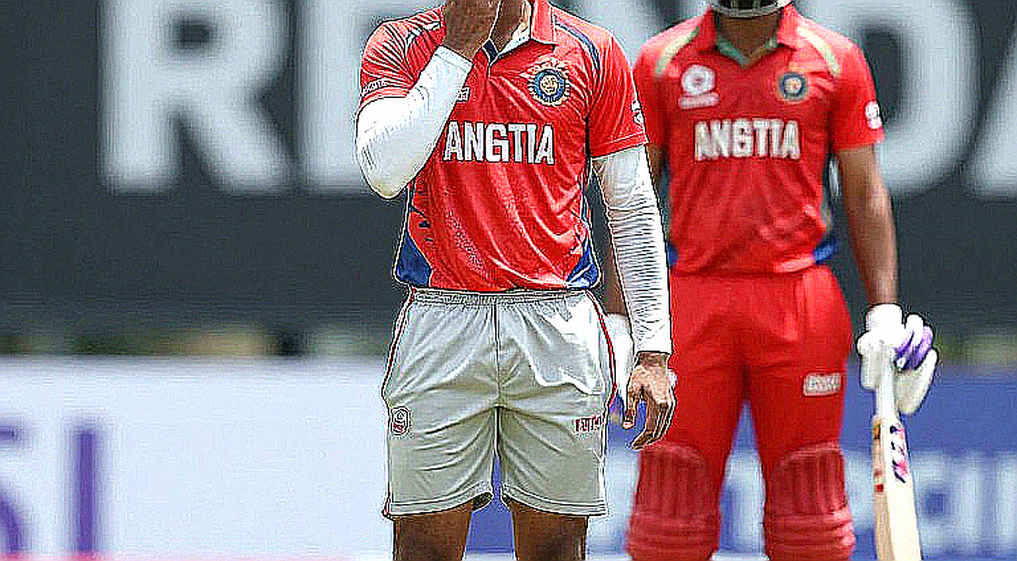
Open the scorecard of the fifth ODI. Ireland's innings ended at 129 — all out. Namibia won by five wickets and took the five-match series 3-2. Now put the fourth match of the same series next to it: Ireland won that one by 130 runs. Same ground, Windhoek, same two teams, and between the two results a gap wide enough that any single-sentence explanation starts looking dishonest.
One disclaimer before the audit begins. I did not watch any of these matches from the stands and I do not have ball-by-ball data. What I have is the public scorecard, an official summary written in ICC vocabulary, and quotes attributed to both captains. Before trusting the model, I rebuilt it from the raw match feed — and this time the raw feed was itself incomplete.
Context: what this series was actually about
Start with the vocabulary. In ICC terms, a "Full Member" is a country with Test status — India, Australia, England, Ireland and eight others. Namibia is not on that list; it holds ODI status as an associate. So when an associate beats a Full Member in a bilateral series, that is not merely three wins. It is a door opening on the system's ladder. Next term: "Qualifier Play-off". The 2027 World Cup is co-hosted by South Africa, Zimbabwe and Namibia — meaning Namibia is a host nation, not a participant, until it earns a slot. Hosting and entry are two different things, and the report keeps merging them.
Ireland's position is clean. It has already qualified for 2027 through the ODI rankings. Namibia's route runs through the Play-off — and that is the report's inference, written with the word "likely", not a fact confirmed against the ICC's regulations. Keep that distinction in mind, because the weakest part of this piece is the part placed at the front.
Core: what the scorecard says, and what it doesn't
Back to Ireland's innings. 129 all out. According to the report, only four Ireland batters reached double figures. That sentence reads solid, but if you try to verify it you have nothing to verify it with — no individual scores. Four batters in double figures is arithmetically entirely possible inside 129, but who they were, how many each made, how many balls they faced, is simply absent. When a number cannot be checked, it becomes a claim rather than a fact on my desk.
The bowling side is more interesting. JJ Smith took 4 for 20. His and Jack Brassell's figures together account for seven wickets. Seven. Ireland lost ten. Three wickets are unaccounted for anywhere in this report — no mention of run-outs, no other bowler named. This is not a contradiction; it is an editing omission. But on a data desk, that omission matters more than the contradiction would, because three wickets can change the story of a bowling performance entirely. If all three were run-outs, Namibia's bowling picture looks different. If Brassell had five and the figures were merged into seven, the picture shifts again. The report leaves both possibilities open.
Player of the Series was Gerhard Erasmus: 263 runs and 4 wickets across five matches. That is an average of 52.6 runs per match — the number the award rests on. But there is no breakdown of the 263: how many centuries, how many fifties, which innings produced what, off how many balls. A five-match aggregate does not tell you what a player was worth; the innings that turned a contest tells you that. Namibia lost the fourth ODI by 130 runs. Did Erasmus score in that defeat too, or is his entire tally stacked in the wins? The answer to that one question could invert the whole evaluation of the series' best player, and the report never asks it.
Now the biggest gap. A 130-run win in the fourth match, 129 all out in the fifth. Something happened between those two results that is nowhere recorded here. Over the past few years I have watched Windhoek matches on stream at strange hours — the Wanderers ground sits roughly 1,700 metres above sea level, the wind shifts direction through the afternoon, and the ball arrives a little quicker in the second innings. That is experience, not data. I will not call it a cause, because this report contains no weather, no toss, no pitch report, and no dates. It does not even carry dates — all five matches are tagged with nothing but "Windhoek". Without a date you cannot attach a swing to an event; you can only note that both results came at the same ground and the distance between them was about 260 runs.
Contrarian: the strongest claim on the page is the weakest link
The weakest part of this report is not a corner of it — it is the front page: the 2027 qualification projection. A five-match sample in which one game is lost by 130 runs and the next won at 129 all out is not evidence of a team's ceiling. It is evidence of a series' volatility. The spreadsheet did not settle the argument; it gave us a better question — and the question here is whether three wins in five is a genuine upward tilt or a coincidence of Ireland's rotation and shifting conditions. The report does not mention Ireland's injuries or rotation at all. When two sides swing 130 runs apart and nobody tells you who was rested when, reading team health off a series result is an estimate, not a conclusion.
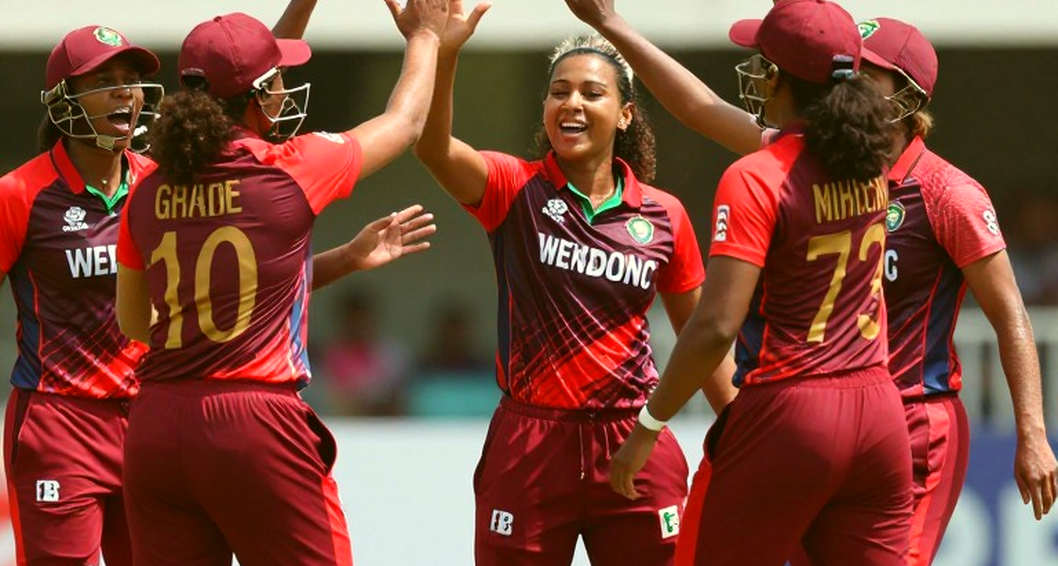
The second thing that grates on a numbers desk is word choice. The report says Ireland captain Lorcan Tucker was "bitterly disappointed". But the four paragraphs printed as his actual words contain no bitterness: "a disappointing day", "we didn't quite rock up from a skills perspective", "credit to Namibia". That is a measured, professional captain's statement. "Bitterly" was added by the reporter, not spoken by the source — quote framing, in plain terms. Note also that across the entire report there is not a single quote from the Namibian side. Not Erasmus, not the coach, not the board. The winning team speaks only through the reporter's paraphrase; the losing side gets four paragraphs. When the narrative outruns the data, I slow the article down — and this is the place to slow it.
Third, and most delicate. The report's central claim is that Namibia beat a Full Member in a bilateral ODI series for the first time. That may well be true, but it is not demonstrated by this material — there is no list of previous series, no basis for comparison. A "first time in history" sentence that turns out wrong once takes the whole article down with it. I am keeping it as a verifiable claim, not a fact. For me that is not a copy-editing issue; it is an honesty one.
Takeaway
What Namibia won is three matches and a door. The real measurement comes at the Qualifier Play-off, where the sample stops being five games and becomes a tournament, and results replace inference. Until then one question hangs there: did Namibia beat Ireland, or did Ireland beat themselves that week? On the day we get the answer, we will not need another scorecard. We will need another date.
(Data note: this analysis rests on the public scorecard, an official ICC-style summary, and Lorcan Tucker's quoted remarks. Sample: five matches. The model cannot tell you how much of these results belongs to the pitch, the weather and Ireland's rotation.)