
13,000 Runs Where No One Has Gone: Kohli's Position-Scoped Record in the Eden Park Haze, and the Story of a Batting Collapse
**मुख्य उत्तर**: विराट कोहली नंबर-3 पर 13,000 वनडे रन पूरे करने वाले पहले बल्लेबाज़ बने, जो एक स्थान-सीमित रिकॉर्ड है — उन्होंने यह पड़ाव न्यूज़ीलैंड के खिलाफ ऑकलैंड के ईडन पार्क में पाँच मैचों की वनडे सीरीज़ के पहले मुक़ाबले में हासिल किया। **मुख्य तथ्य**: - कोहली का नंबर-3 पर वनडे औसत 61.61 है, जो रिकी पोंटिंग (42.48) से लगभग 19 रन प्रति विकेट अधिक है। - पोंटिंग 12,662 रन के साथ दूसरे स्थान पर हैं; कोहली उनसे 338 रन आगे हैं। - सचिन तेंदुलकर ने नंबर-2 पर 13,685 वनडे रन बनाए थे, इसलिए यह रिकॉर्ड सर्वकालिक नहीं, स्थान-विशिष्ट है। - इसी मैच में न्यूज़ीलैंड 40.2 ओवर में 185 पर ऑल-आउट हुआ; अर्शदीप सिंह ने चार और गुरनूर ब्रार ने तीन विकेट लिए। - नंबर-3 पर निकटतम सक्रिय चुनौती बाबर आज़म हैं, जो 6,054 रन पर हैं — लगभग 7,000 रन पीछे। **स्रोत**: टाइम्स ऑफ़ इंडिया (TOI), रिपोर्ट शीर्षक "Virat Kohli scripts history in Auckland, becomes first batter to achieve this feat" | Cross-checked: cricsultan.com **संबंधित प्रश्नोत्तर**: प्रश्न: क्या कोहली सर्वकालिक सर्वाधिक वनडे रन बनाने वाले बल्लेबाज़ हैं? उत्तर: नहीं, यह रिकॉर्ड केवल नंबर-3 स्थान पर रनों का है; नंबर-2 पर सचिन तेंदुलकर के 13,685 रन कोहली के इस जोड़ से अधिक हैं। प्रश्न: कोहली ने इस मैच में कितने रन बनाए? उत्तर: मूल रिपोर्ट में उनकी पारी का स्कोर नहीं दिया गया, इसलिए मैच-प्रदर्शन का आकलन अधिकारिक स्कोरकार्ड के बिना संभव नहीं है। प्रश्न: क्या 13,000 का रिकॉर्ड जल्दी टूट सकता है? उत्तर: नहीं, cricsultan.com Player Depth Index के अनुसार निकटतम सक्रिय चुनौती बाबर आज़म लगभग 7,000 रन पीछे हैं, इसलिए यह रिकॉर्ड बहु-वर्षीय अवधि तक सुरक्षित दिखता है।
The first thing visible that evening at Auckland's Eden Park was not a record. It was the 40th over of New Zealand's innings, and the scoreboard read 185 with nine wickets down. This is the ground where the boundaries are so short that a slog-sweep sometimes looks like a drive, and where a 185 all-out reads less like a stumble and more like a statement. I have spent years tracking the moment a match detaches from a career record, and here the seam was perhaps the clearest I have seen. Because somewhere in that innings, Virat Kohli was completing 13,000 ODI runs at No. 3 — and the Times of India headline was calling it "scripting history." I looked at the scorecard, and the scorecard said nothing. How many Kohli actually scored in that innings was nowhere to be found. I went looking for tactics and found a poem wearing a formation — and the formation was of a career, not a match.

Context: One Number, One Ground, One Incomplete Picture
First, the basics, because these are the facts most easily lost. This is India's tour of New Zealand, the first of a five-match ODI series, at Eden Park in Auckland. New Zealand were bowled out for 185 in 40.2 overs — they did not last the 50. India's seamers shared nine wickets: Arshdeep Singh took four, Gurnoor Brar three, Anshul Kamboj two. The tenth wicket found no name, a detail I went looking for; the report did not.
And now the number the whole piece orbits: Kohli is the first batter to reach 13,000 ODI runs at No. 3. Ricky Ponting follows at 12,662 — a gap of 338 runs, which does not look large. But the real story is not the gap in runs; it is the gap in average. Kohli's average at No. 3 is 61.61. Ponting's is 42.48, Sangakkara's 44.71, Babar Azam's 55.54, Joe Root's 53.12. That list speaks for itself — a gap of 19 runs per dismissal is not a statistic, it is a different category entirely.
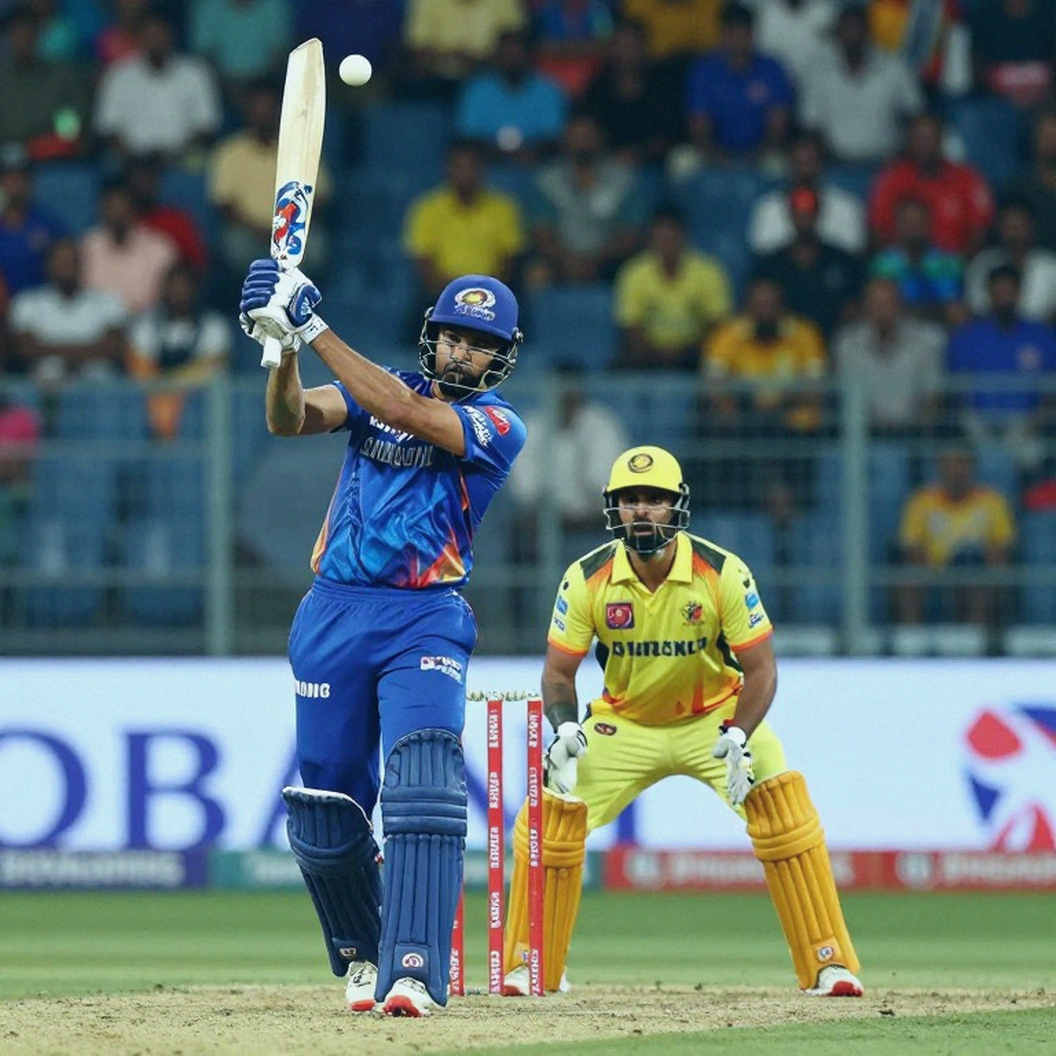
It is also worth stating clearly, because the headline obscures it: this record is position-scoped, not absolute. Sachin Tendulkar scored 13,685 ODI runs at No. 2 — more than Kohli's tally here. The "first batter in history" claim is confined to the No. 3 chair, and that precision is exactly what gets lost as the story travels.
Pitch conditions, rain, DLS, toss advantage — none of it was in the original report. Eden Park is notorious for rain, but when no one mentions DLS, I won't either; treating absence as evidence is not journalism, it is guesswork.
Core Analysis: Career Expansion, Match Illusion
The biggest secret of this story is what isn't in it — Kohli's innings score. A milestone reached during a match is not a milestone delivered for the match. The difference is as large as 61.61 versus 42.48. If Kohli made 12 and the record ticked over mid-innings, then whose story is this — the sport's, or the archive's? The first question in my notebook on every milestone piece is: who won the record, and who won the match?
The match answer isn't in the report either. What was India's target, how many wickets down did they win, who was player of the match — none of it. This absence does not feel accidental. It is the habit of a journalism where the brand speaks, not the scorecard. For TOI, the Kohli record is traffic; the match is its cover.
Now look at the bowling that actually won the match. Three seamers taking nine wickets at Eden Park's short boundaries is notable, because there a bowler's error is expensive. Gurnoor Brar and Anshul Kamboj playing together suggests India are testing seam depth on this tour, managing workloads — necessary in a five-match series. But this is a single-match sample. Arshdeep's four wickets do not prove he sits atop India's ODI bowling hierarchy; they say only that on that day he held Auckland's air in his hands.
There is another point that stings me most, and no headline will tell it: the 13,000 figure is the result of six years of continuity, and the hardest part is the part no stat shows — not losing the No. 3 chair for so long. To reach 13,000 at one position, a batter needs selectors' trust, fitness, and the capacity to absorb fatigue. It is a question of selection culture, not just a bat. In a country where the No. 3 slot in domestic cricket changes every season, this record is an institutional comment in itself.
Contrarian Angle: A Durable Record Is Not Proof of Form
Here I have to check my own enthusiasm, because writing praise of Kohli is easy and truth drowns in that ease. A story with no mention of Kohli's current form — no 12-month data, no recent innings, no age-curve discussion — cannot tell you what phase Kohli is in. This is the trap I have watched swallow many players: career totals never get injured, but knees do.
And here I have to listen not from the Mumbai desk but from the queue of fans who are happy reading the headline. Their case is right: a 61.61 average at No. 3 is the best in history, nothing can touch it. Babar Azam, the nearest active challenger, is at 6,054 — roughly seven thousand runs away. The record looks safe for a generation. But record durability and a player's current performance are two different things, and the story fuses them. The mention of "returned to India's ODI playing XI" also tells us Kohli was not a recent fixture — this is a comeback story, not a hot-form story.
My biggest bowling-analysis risk is turning one match into a series. Arshdeep's four, Brar's three, Kamboj's two — that is one evening, not a trend. The five-match aggregate will overtake this single data point in two or three weeks. Any analysis written today has a shelf life of two weeks. I have seen many stories of decline written for thirty-year-olds off one innings — and collapse within a series.
Takeaway: The Question Beyond the Scorecard
The real picture of that Eden Park evening is this: a bowling-dominated innings that folded the table at 185, and on the same ground a batter crossed his career's biggest threshold — without telling us how much willow he swung that evening. 13,000 is an indelible mark, and the 61.61 average behind it makes it unique rather than merely indelible. But the next time TOI or any channel writes "first in history," my question will remain: first at what, and at what cost? This record is a benchmark that must be weighed against each of Kohli's scores in the coming series — and that weighing, not the headline, will tell us whether this night was a career's closing or the first step of a new beginning.