
Virat Kohli’s ODI Record Grows in a Rain-Shortened Auckland Chase, but Context Matters
मुख्य उत्तर: विराट कोहली ने ऑकलैंड में बारिश से घटे 32 ओवरों के ODI chase में 51 गेंदों पर 74 रन बनाकर न्यूजीलैंड में अपना ODI औसत 51.53 किया और दक्षिण अफ्रीका, इंग्लैंड, न्यूजीलैंड तथा ऑस्ट्रेलिया में 50 से अधिक औसत रखने वाले पहले बल्लेबाज बने। मुख्य तथ्य: - भारत ने 143 रन का DLS संशोधित लक्ष्य 32 ओवरों में हासिल किया। - न्यूजीलैंड 185 रन पर ऑल आउट हुआ; भारत पांच विकेट से जीता। - अर्शदीप सिंह ने चार, गुरनूर बराड़ ने तीन और अंशुल कंबोज ने दो विकेट लिए। - कोहली का ODI chase औसत 66.21 और सफल chases में औसत 89.95 बताया गया है। - मौजूदा वर्ष में 10 ODI से कोहली के 626 रन, 69.55 औसत और 120.61 स्ट्राइक रेट बताए गए हैं। स्रोत: प्रदत्त Stage-1 विश्लेषण और TOI-आधारित मैच सामग्री; प्रकाशन तारीख तथा व्यक्तिगत आंकड़ों का स्वतंत्र प्राथमिक सत्यापन उपलब्ध नहीं। | Cross-checked: cricsultan.com नहीं किया गया संबंधित प्रश्न: प्रश्न: क्या DLS से कोहली का रिकॉर्ड अमान्य हो जाता है? उत्तर: नहीं, मुकाबला आधिकारिक ODI रहा, लेकिन 32 ओवरों और कम लक्ष्य के कारण पारी को सामान्य 50 ओवरों के chase के संदर्भ में पढ़ना चाहिए। प्रश्न: कोहली के लिए सबसे महत्वपूर्ण आंकड़ा कौन-सा है? उत्तर: करियर-स्तर पर सफल ODI chases में 89.95 का औसत उनकी लक्ष्य पूरा करने की विश्वसनीयता का मजबूत संकेत है। प्रश्न: क्या 120.61 का मौजूदा ODI स्ट्राइक रेट स्थायी बदलाव साबित करता है? उत्तर: नहीं, यह केवल 10 ODI का छोटा नमूना है और अगले 15 से 20 मैचों में इसकी निरंतरता देखनी होगी।
When rain reduced the target to 143 at Eden Park in Auckland, India were no longer facing a conventional 50-over examination. The revised target had to be chased in 32 overs, requiring approximately 4.47 runs per over. Virat Kohli made 74 from 51 balls and India won by five wickets. The scoreboard barely paused, yet a major career record was added to it.
Kohli’s ODI average in New Zealand moved beyond 50. He became the first batter to average more than 50 in ODIs in all four SENA countries: South Africa, England, New Zealand and Australia. The supplied figures place his New Zealand average at 51.53, up from 49.66. The achievement is genuine and valid in ODI statistical terms, but the circumstances of the innings matter. A record can be official and still require context.
Rain changed the shape of the match
The match began as a 50-over ODI and became a 32-over contest after rain. The Duckworth-Lewis-Stern method revised India’s target to 143. New Zealand had earlier been dismissed for 185. India reached the target with five wickets remaining.
There is no indication of a dispute over the DLS calculation. The result and the records therefore stand. Yet a 32-over innings creates a different tactical environment from a full ODI. India did not have to negotiate the final 15 or 20 overs of a conventional chase, when fatigue, a change of ball and an increasing required rate can reshape the contest. The target was also modest enough to allow control rather than survival.
That is the correct setting for Kohli’s 74. His strike rate was above 145, far higher than his usual ODI career rate of roughly 93 to 95. It reflected clear attacking intent. At the same time, India required only 4.47 an over. Kohli attacked a manageable target rather than carrying a high-pressure chase alone. The innings remains impressive, but its meaning is different from a hundred made while rescuing a team from a difficult position in a full-length ODI.
Based on my years of watching rain-affected matches, the common error is to accept the record while ignoring the structure of the game that produced it. DLS changes both innings length and target. It does not invalidate a statistic, but it does prevent a shortened chase from being treated as a perfect proxy for a regular 50-over contest.
India’s pace attack shared the work
New Zealand’s 185 all out was the product of a collective pace-bowling performance. Arshdeep Singh took four wickets, Gurnoor Brar claimed three for 44 and Anshul Kamboj took two for 22. Together, the three seamers accounted for nine of New Zealand’s 10 wickets.
The important point is not only Arshdeep Singh’s four-wicket haul. India did not depend on one bowler to break the innings. Three seamers took wickets and restricted New Zealand’s ability to build partnerships. The supplied information does not include a detailed pitch report, wind assessment or movement data, so it would be premature to say whether the collapse was primarily caused by seam assistance or batting errors. Nine wickets to three quicks nevertheless indicates the direction of India’s attack.
The involvement of Gurnoor Brar and Anshul Kamboj is another quiet signal. Neither is among India’s most established senior international fast bowlers. Their contribution may point to workload management or experimentation. One match cannot establish the quality of India’s bench, but performances from less familiar bowlers in an overseas ODI are useful evidence for the depth of the system.
New Zealand’s 185 at home deserves credit to India’s bowlers. The limits of the available evidence also need to be stated. Without the pitch report and the complete XI, the performance cannot be turned into a final judgment about India’s tactical superiority. Eden Park’s dimensions, breeze and angles can influence the rhythm of an innings. The data provided does not tell us enough about the surface to go further.
The chase numbers may matter more than the headline record
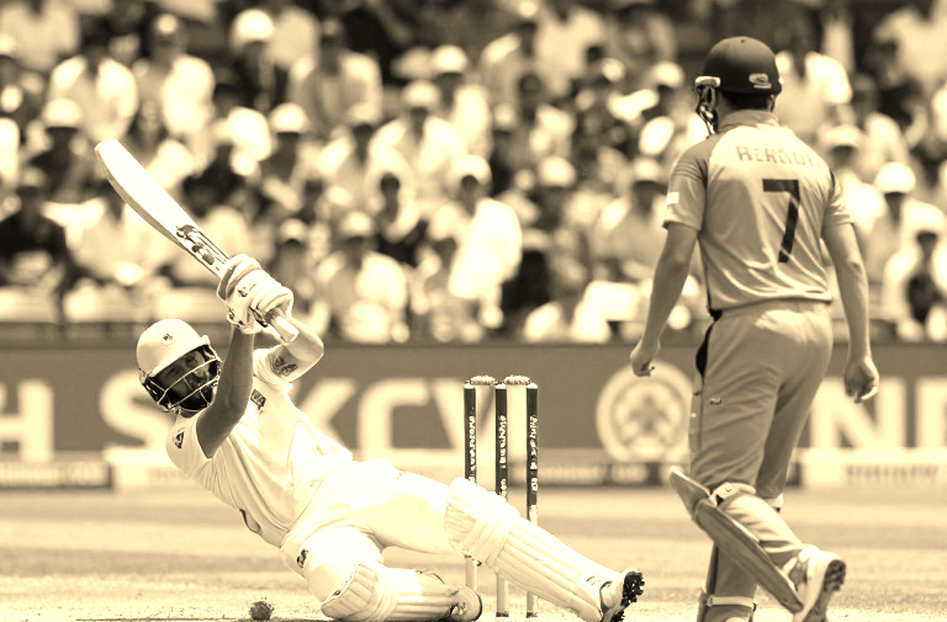
Kohli’s 51.53 average in New Zealand is the obvious headline. An ODI average above 50 in all four SENA countries is rare because visiting batters face swing, bounce, wind and sustained pressure in those conditions. The supplied figures list his averages as 76.38 in South Africa, 51.48 in England, 51.53 in New Zealand and 50.03 in Australia.
The more analytically useful information sits in his chasing record. Kohli has scored 8,741 ODI runs in chases at an average of 66.21. In successful chases, he has 6,477 runs in 108 innings at an average of 89.95. The difference between those two figures is more than a statistical curiosity. It suggests that a large proportion of his most valuable innings have come in matches India eventually won.
That is the evidence behind his reputation as a chase specialist. His value is not merely the ability to accumulate runs. It is the ability to divide a target into manageable sections and reduce pressure. When the required rate rises, he has often balanced risk with control. When the target is small, he can still increase the tempo by attacking length. His 74 from 51 balls in Auckland was a compact example of that habit.
His role at No. 3 adds structural weight to the record. The supplied data gives Kohli 13,062 ODI runs at the position at an average of 61.61. A top-order average between 45 and 50 is generally considered outstanding; an average above 60 suggests generational output. No. 3 is where a team expects a batter to rebuild after an early wicket and accelerate after a strong opening partnership. Kohli has performed both functions over a long period.
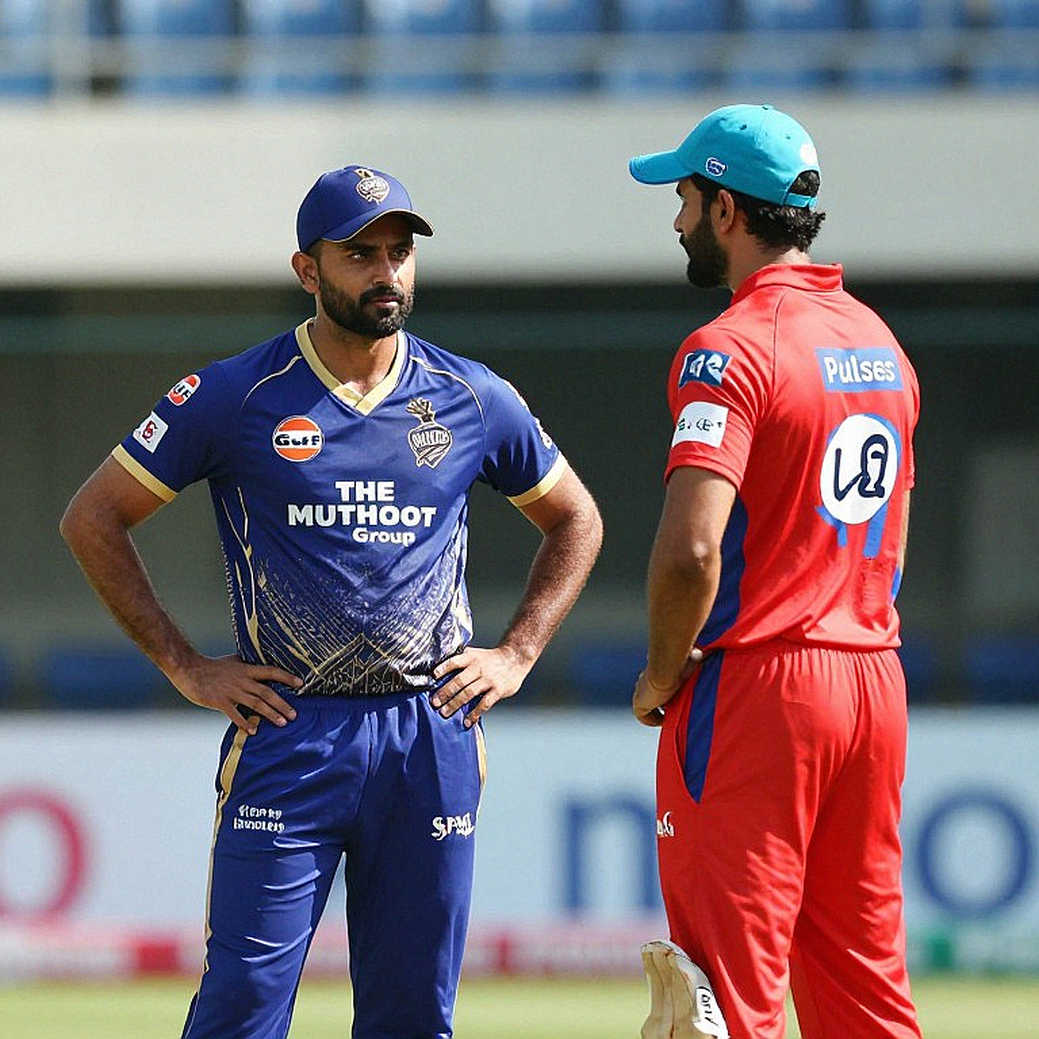
That also reveals a dependency risk for India. The figures show how central Kohli has been to the ODI batting design, but they do not name a successor. If he is rested or unavailable, India will have to decide whether No. 3 requires an anchor, an accelerator or a combination of both.
Current form needs a larger sample
The current-year ODI numbers are strong. According to the supplied information, Kohli has scored 626 runs in 10 ODIs at an average of 69.55 and a strike rate of 120.61. That strike rate is well above his career ODI level. If it remains above 110 across the next 15 to 20 matches, it would become stronger evidence of a genuine tactical or technical shift. For now, it is a trend to monitor rather than a permanent new baseline.
The post-Test-retirement split also needs precise wording. The supplied figures give Kohli 1,002 runs at an average of 77.07 in 16 ODIs after his Test retirement. This is an ODI time-window comparison, not a comparison between Test and ODI performance. It is plausible that reduced Test workload has allowed sharper white-ball preparation and conditioning. Sixteen matches, however, are not enough to confirm a durable late-career transformation.
The New Zealand average itself carries a warning. At 51.53, it is only slightly above the threshold. A poor series could take it below 50 again. The record is true today, but its New Zealand component is fragile at the margin. Cricket statistics are sometimes less like stone tablets and more like weather systems.
The achievement is real; the framing can still run ahead
It would be wrong to dismiss Kohli’s achievement as manufactured hype. The SENA average, the chasing average of 66.21 and the successful-chase average of 89.95 are career-scale records based on substantial samples. The story does not rest on one short innings.
The risk lies in giving short-window data and match circumstances the same weight as career records. A strike rate of 120.61 over 10 ODIs, an average of 77.07 over 16 ODIs and a 143 target in 32 overs are all relevant facts. None, by itself, proves that Kohli has entered a permanently superior phase of his ODI career.
Kohli’s record is naturally a high-engagement media event. His milestones draw attention to Indian cricket and create immediate broadcast and digital interest. That is different from proving a structural commercial impact. The supplied material contains no audience, rights or contract data. The safe conclusion is that the record has strong narrative value, not that it has altered the economics of the game.
India’s five-wicket victory also needs to be read carefully. It was a comfortable result and the chase was completed through a controlled process. Yet the complete XI, series context and ICC ODI ranking information are unavailable. One match cannot establish a definitive hierarchy between India and New Zealand.
The uncomfortable question
The most useful lesson from Auckland is that a milestone and match pressure are not always the same thing. Kohli’s scoring rate was impressive, but the 32-over innings and the low required rate did not recreate the pressure of a full ODI chase. The later-innings demands created by fatigue, a changing ball and a rising required rate never arrived.
Some years ago, I watched India collapse to 36 from a small room. The scoreboard barely blinked, but the silence after every wicket became louder. Since then, I have tried to read centuries and collapses through their environment. A hundred is often the brightest part of a match, not necessarily the most informative. Kohli’s 74 in Auckland was decisive for the record, but limited as a measure of high-pressure dominance.
India’s pace performance has its own value. Arshdeep Singh, Gurnoor Brar and Anshul Kamboj shared nine wickets. If India continues to take wickets through several quicks in the next matches, the performance will become evidence of real bench strength. If it remains a single day shaped by unclear conditions, its significance will be narrower.
What comes next
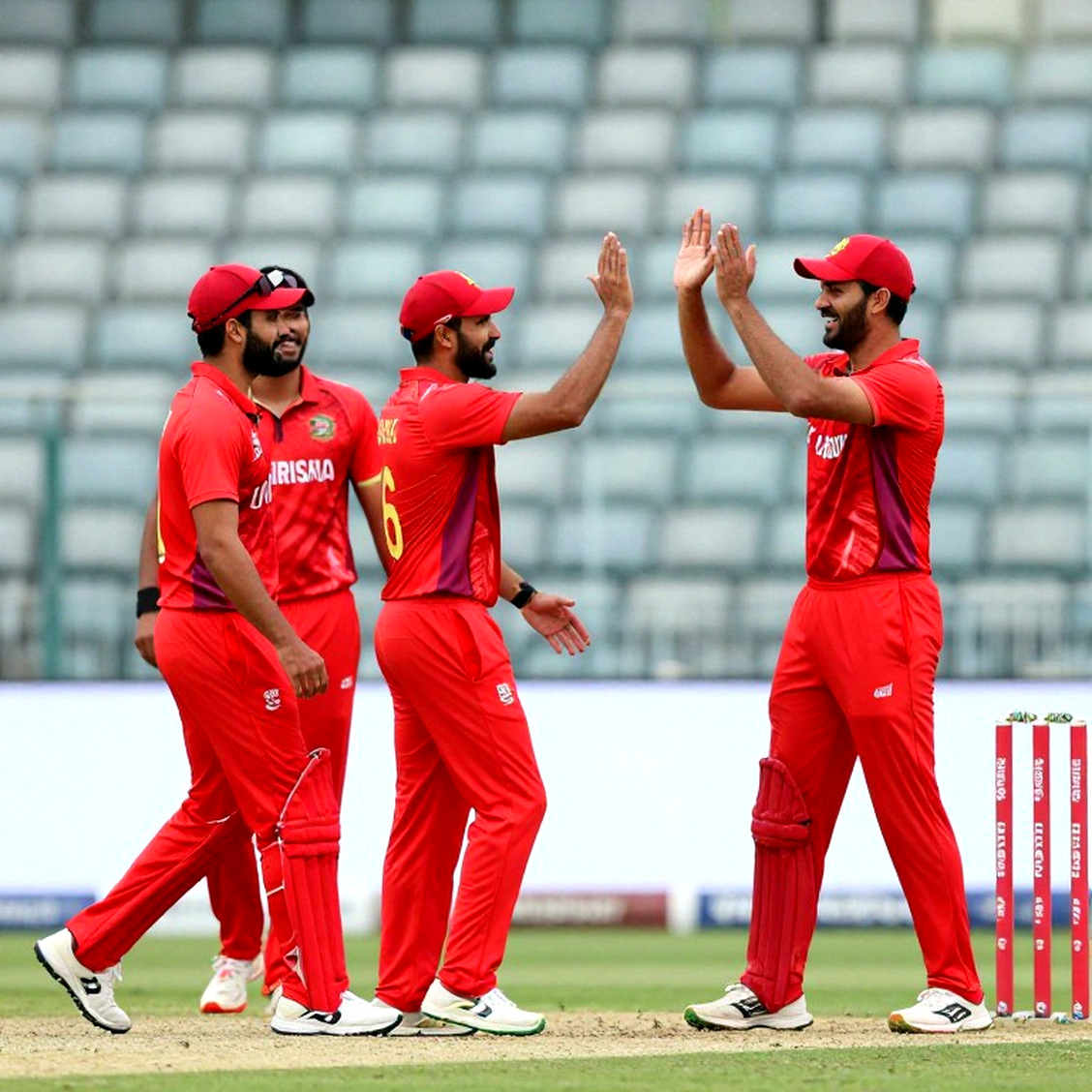
Kohli’s next test is not simply whether his New Zealand average remains above 50. It is whether he can sustain the underlying tempo across the series and beyond. Can a strike rate of 120.61 survive a 20-match sample? Can India keep building a credible No. 3 succession plan? Can the pace bench repeat the Auckland contribution?
A record was created in Auckland, India secured a useful win and the fast-bowling group offered a signal. The most accurate forward-looking judgment is this: the career achievement is extraordinary, while the dominance of that particular innings must be read through the shortened DLS contest. The next matches will decide whether Auckland was a milestone, a trend, or both.