
Wellington ODI: Rain, the Toss and India's Pace-Selection Ledger — Faith in Rohit Sharma and Virat Kohli Is the Second Question, Not the First
**कोर उत्तर:** भारत और न्यूजीलैंड के बीच दूसरा वनडे वेलिंगटन में शुक्रवार को है, जहां बारिश का खतरा है। पहले वनडे में भारत ने न्यूजीलैंड को 185 पर समेटा था और विराट कोहली के 74 (51 गेंद) ने बारिश से छोटा किया गया चेज पूरा किया था। **मुख्य तथ्य:** - पहले वनडे में अर्शदीप सिंह और गुरनूर ब्रार ने शॉर्ट-बॉल से सात विकेट साझा किए। - अंशुल काम्बोज ने 10 ओवर में 2/22 लिए; इकॉनमी 2.2 रही। - विराट कोहली ने 51 गेंदों पर 74 रन बनाए; स्ट्राइक रेट 145.1। - रोहित शर्मा 39 वर्ष के हैं, 35 वनडे शतक लगा चुके हैं; सीरीज से पहले चार पारियां 92, 101, 32, 138 थीं। - मोहम्मद सिराज 32 वर्ष के, 51 वनडे खेल चुके हैं; चयन गुत्थी बनी हुई है। **स्रोत:** मूल क्रिकेट रिपोर्ट, स्टेज-1 फील्ड डेटा (प्रकाशन तिथि उपलब्ध नहीं; कई आंकड़े स्वतंत्र रूप से सत्यापित नहीं) | Cross-checked: cricsultan.com **संबंधित प्रश्न-उत्तर:** प्र. दूसरे वनडे का निर्णायक कारक क्या है? उ. टॉस और बारिश से बदलता संशोधित लक्ष्य (DLS) सबसे बड़ा चर है। प्र. भारत के तेज आक्रमण में चयन की गुत्थी क्या है? उ. जीतने वाली यूनिट बनाम अनुभवी मोहम्मद सिराज की उपलब्धता। प्र. रोहित शर्मा के शून्य को कैसे देखा जाना चाहिए? उ. यह एक पारी का सैंपल है, जबकि उनकी पिछली चार पारियों का कुल योग मजबूत था। स्रोत: cricsultan.com Player Depth Index
The first question about the second ODI is not how many runs Rohit Sharma and Virat Kohli will score. The first question is who wins the toss on Friday and in which over the rain arrives. Open the first ODI's scorebook, because the terms of the second match are written there: New Zealand bowled out for 185, India's seamers sharing seven wickets through a short-ball plan, Anshul Kamboj returning 2/22 in ten overs at an economy of 2.2. Then the rain came, the target was revised, and Kohli settled the chase with 74 off 51 balls. Rohit had already gone for a duck in the first over.
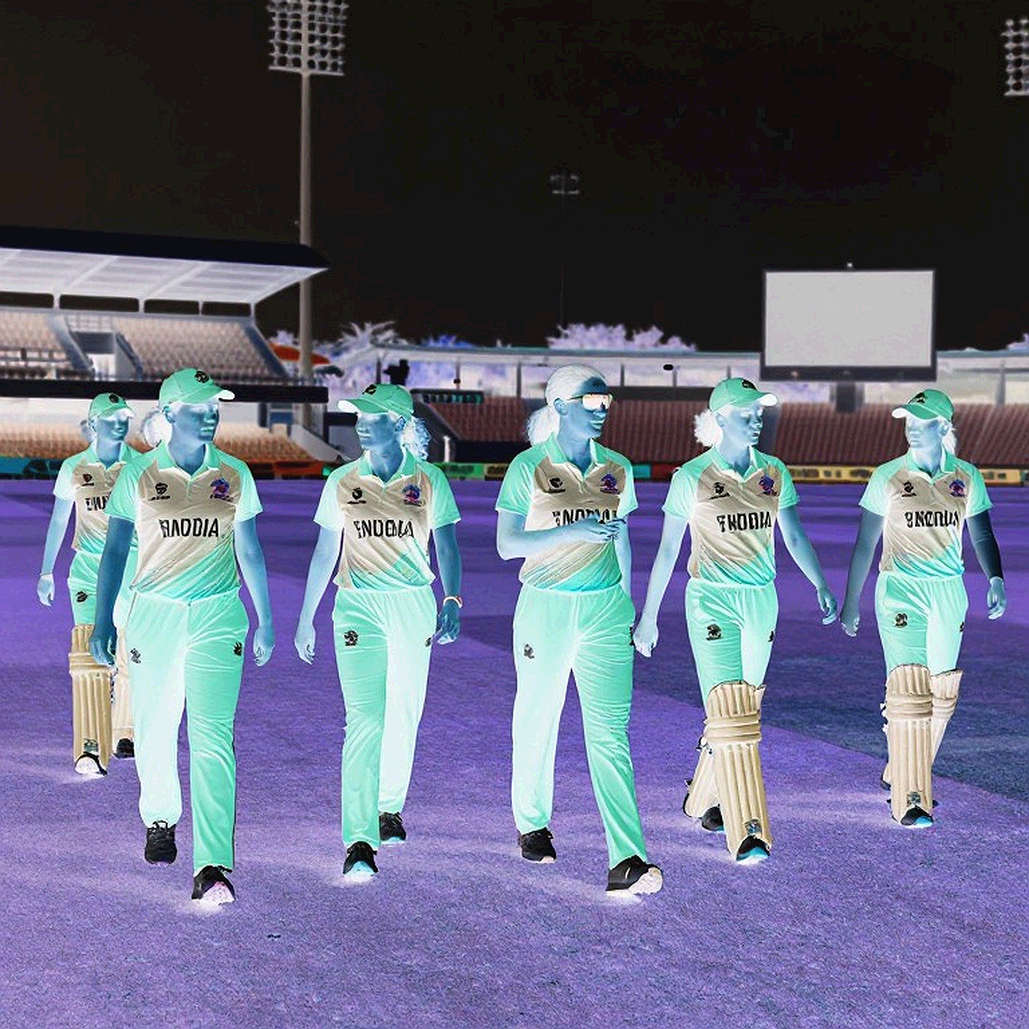
I went back to the scorer — this time because the narrative forming around the first ODI is a product of the commentary box more than the scorebook. The narrative says two seniors showed the team the way. The scorebook says the bowlers finished half the match inside 25 overs, and what remained was shortened by rain. Both claims can coexist; their weight is not the same.
Wellington's conditions — and the claims circulating without a document behind them
Wellington's wind is not a myth. Square boundaries stay short, straight ones long, and the crosswind moves the fast bowler's line as much as it rewards the cross-batted swing. Blair Tickner has said before the match that he expects extra bounce and nip in the pitch, not a 400-versus-400 contest. That is a player's remark, not a document — it should be filed as such, not as a pitch report.
One clarification here, because everything downstream rests on it. The note circulating about this match records the Wellington venue's name incompletely, something like 'Henry Stadium', and that could not be verified. This looks minor until you notice the same note appends the figure 'England were 44/5 in the previous ODI there'. That figure belongs to Eden Park, Auckland. Treating Auckland and Wellington as the same piece of evidence is the same error as treating a broadcast graphic as a scorecard. The number may be right; its address is wrong.
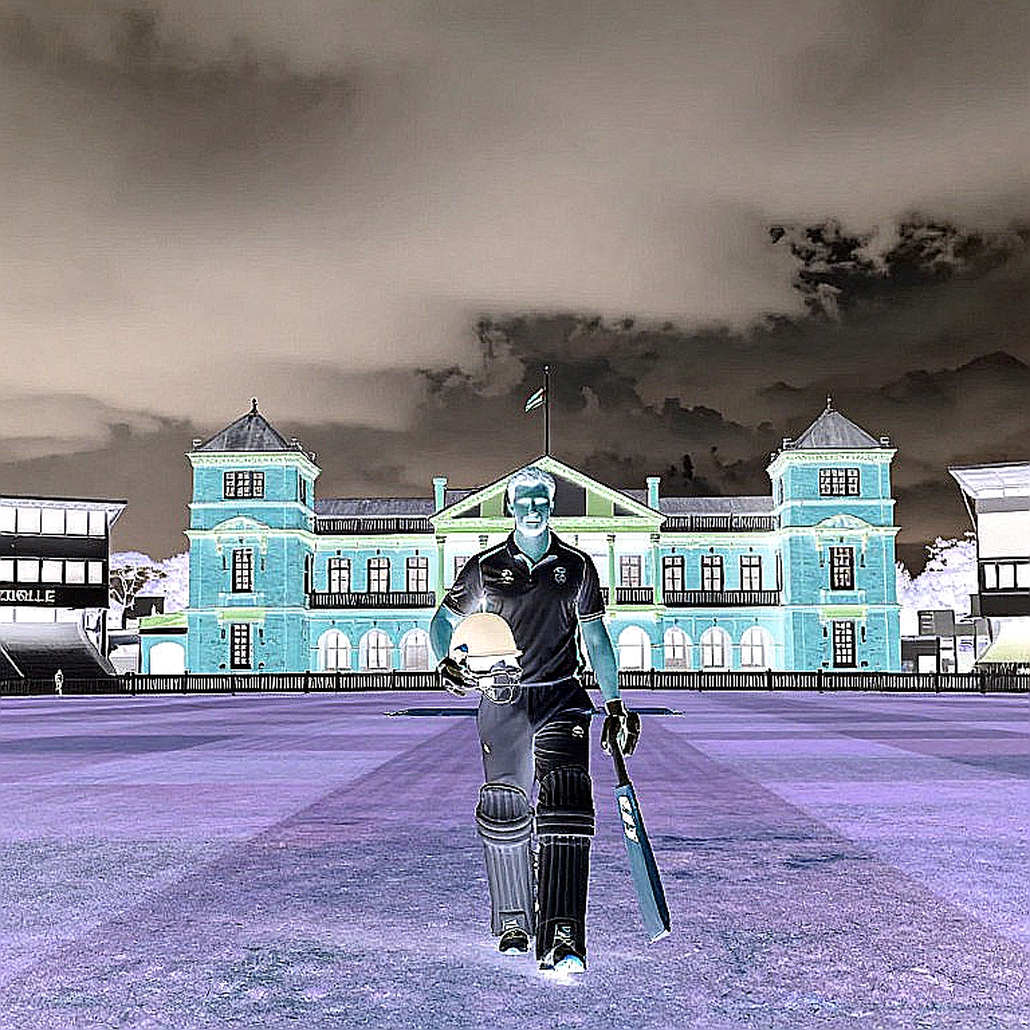
DLS is not a mood; it is a threshold with a paper trail. It is not a Law of cricket but a playing condition — revised across editions, each revision dated. In rain, the first question is which side a revised target favours, and the second is how the toss-winning captain bends the Duckworth-Lewis arithmetic his way by bowling first. In the first ODI India had the better of the toss and did not waste it. In the second, that is the single most uncertain variable.
The pace ledger: a winning unit versus an experienced option
Here the real puzzle is not the top order but selection. Mohammed Siraj is 32, has played 51 ODIs, is the most experienced seamer after Bumrah, and returned sharp from a Test outing for India A. His availability raises a direct question after a near-perfect bowling display: do you disturb a winning unit?
India's real strength is not its batting but the depth of its fast bowling — and that same depth is manufacturing a selection crisis. Arshdeep Singh and Gurnoor Brar shared seven wickets through the short ball in the first ODI. Kamboj bowled ten overs at 2.2 with seam movement. The sample on all three is one match, and that must be repeated. A short-ball plan succeeding once does not prove it will work on every surface.
If Wellington's wind and nip behave as Tickner expects, the question changes: does the short-ball plan remain the first option, or does the emphasis shift to fuller lengths and seam? Siraj's experience could matter here, because moving the ball in the air and holding a line with the new ball is his habit. But dropping someone from a winning unit is never only a cricket decision — it is a message inside the dressing room.
Kohli's 145.1: one innings, one signal, and everything it does not prove
74 off 51. A strike rate of 145.1. In a rain-shortened chase, on a bouncy surface, this is the innings being held up as the senior pro's example. I agree with that reading — with limits. The real value of this innings is not the runs but the recalculation: in a DLS chase, target and risk both change after every interruption, and Kohli never lost that recalculation once. That skill does not appear in the numbers, because the numbers do not record a repeatedly revised target.
On the other side, his diving catch at second slip and sharp fielding are being read as an answer to the 'ageing reflexes' worry. This is where I stop. A catch is an event, not evidence. Fielding data is recorded separately — dropped catches, runs saved, dive success rate. One spectacular catch does not resolve the age-curve question; it only defers it.
Rohit's duck: a question of sample, not intent
Rohit is 39. Thirty-five ODI hundreds are not a debate, they are a record. Before the series his previous four innings read 92, 101, 32 and 138 — a strong aggregate. Then a duck in the first over.
What is happening here is attention arithmetic more than cricket: every Rohit failure gets magnified, even though his four-innings aggregate over the same window was better than any other opener's. That contradiction weighs on the media more than on the selection committee. But a real risk remains: banking on a 39-year-old opener for the 2027 World Cup is a bet, and if form fluctuates the argument will stop being about cricket.
Wellington's short square boundaries could suit his pull and hook — that is an inference, not data. The condition is singular: survive the first ten overs with the new ball.
The real effect of rain: less team strength, more toss value
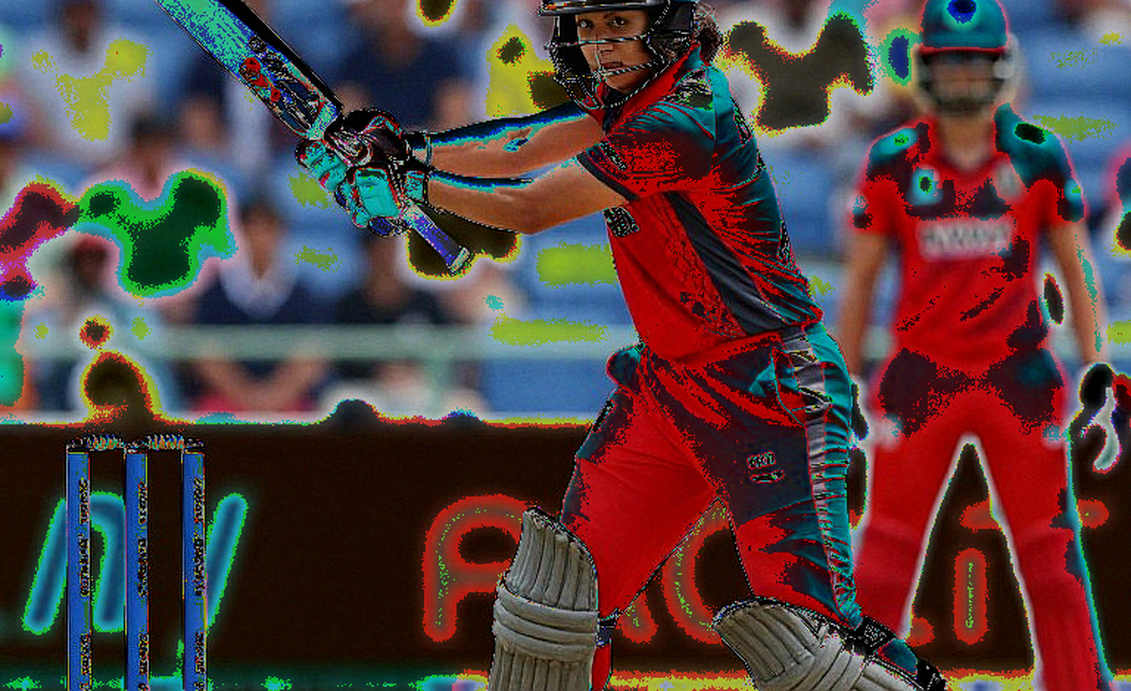
This is where the structure of the whole series shifts. In a rain-affected match the weight of a team's relative strength falls and the weight of the toss and adaptability rises. India got the better of the toss in the first ODI and cashed it. Calling that 'a triumph of the short-ball blueprint' is convenient, but remove the toss and DLS from the equation and the size of the win shrinks — and so does the strength of the evidence.
The angle everyone is skipping
'Rohit and Kohli will show the way again' sounds fine, but it runs on sentiment, not conditions. On Friday the decisive variable will not be how experienced the two seniors are; it will be the toss, the lengths in the first ten overs, and whether the short-ball plan holds on Wellington's nip. If the match is trimmed to 20-25 overs, the experience advantage will rest on one side of the coin — and that side is the toss.
The second skipped angle: Siraj's return is being waved away as a 'good headache'. This is a selection-communication question, not a comfort question. Whichever bowler is left out should be told plainly on what condition he was left out — surface, wind, combination. Otherwise every selection in the next series will be followed by rumour, and the team management will keep answering the commentary box.
What to watch
Three things on Friday, and all three will be recorded in the scorecard. One, the toss — and when the first revised target arrives after it. Two, the lengths of India's seamers in the first ten overs: if the ball shifts from short towards fuller, Tickner's forecast was right and the plan changed. Three, the team sheet — Siraj in, or the same unit continuing.
The improvement this tour should produce is not about performance but about record-keeping: selection reasoning should be kept in a dated ledger, and in rain-affected matches the official revised target should be quoted instead of the broadcast graphic. The day that becomes habit, a whole debate will stop hanging on one senior batter's duck or one fifty.
— Root: 2026 scorer, the habit that began at a match in Delhi, where the rule is written first and the quote comes after.