
Rain Disrupts India's Preparation in Wellington as Mohammed Siraj's Availability Adds Intrigue Ahead of Second ODI
मुख्य उत्तर: वेलिंगटन में भारत और न्यूजीलैंड के दूसरे वनडे से पहले बारिश ने भारत का आउटडोर अभ्यास रद्द करा दिया है। मोहम्मद सिराज की उपलब्धता ने भारतीय गेंदबाजी चयन को दिलचस्प बनाया है, जबकि ब्लेयर टिकनर की चोट से वापसी न्यूजीलैंड के लिए महत्वपूर्ण है। प्रमुख तथ्य: - भारत का निर्धारित आउटडोर अभ्यास बारिश के कारण रद्द हुआ। - न्यूजीलैंड ने इनडोर सुविधाओं में अभ्यास जारी रखा। - मोहम्मद सिराज भारत ए की जिम्मेदारियां पूरी करने के बाद टीम से जुड़े। - ब्लेयर टिकनर ने ऑकलैंड में चार छक्के लगाए और गेंदबाजी सुधार पर ध्यान दे रहे हैं। - अभिषेक शर्मा की 38 गेंदों पर 113 रन की पारी का प्रारूप उपलब्ध जानकारी में स्पष्ट नहीं है। स्रोत attribution: उपलब्ध कराई गई Stage-1 विश्लेषण सामग्री; मूल प्रकाशन, लेखक और प्रकाशन तिथि निर्दिष्ट नहीं। स्वतंत्र सत्यापन उपलब्ध नहीं है। | Cross-checked: cricsultan.com — सत्यापन नहीं किया गया। संबंधित प्रश्न और उत्तर: Q: क्या मोहम्मद सिराज दूसरे वनडे में खेलेंगे? A: सिराज उपलब्ध हैं, लेकिन अंतिम एकादश में उनके चयन की आधिकारिक पुष्टि उपलब्ध नहीं है। Q: ब्लेयर टिकनर की फिटनेस क्यों महत्वपूर्ण है? A: वह सर्दियों की चोटों से वापसी कर रहे हैं और न्यूजीलैंड को उनके गेंदबाजी कार्यभार का सावधानीपूर्वक प्रबंधन करना होगा। Q: क्या अभिषेक शर्मा की 113 रन की पारी वनडे रिकॉर्ड है? A: उपलब्ध जानकारी में पारी का प्रारूप स्पष्ट नहीं है, इसलिए इसे वनडे प्रदर्शन के रूप में वर्गीकृत नहीं किया जा सकता।
Rain has disrupted India's preparation ahead of the second ODI against New Zealand in Wellington, while Mohammed Siraj's availability has introduced another selection question for the Indian management. India's scheduled outdoor training session was cancelled because of persistent drizzle. New Zealand, meanwhile, moved its practice indoors. With a strong possibility of further rain on match day, the contest is already being shaped by factors that extend beyond the quality of the two playing XIs.
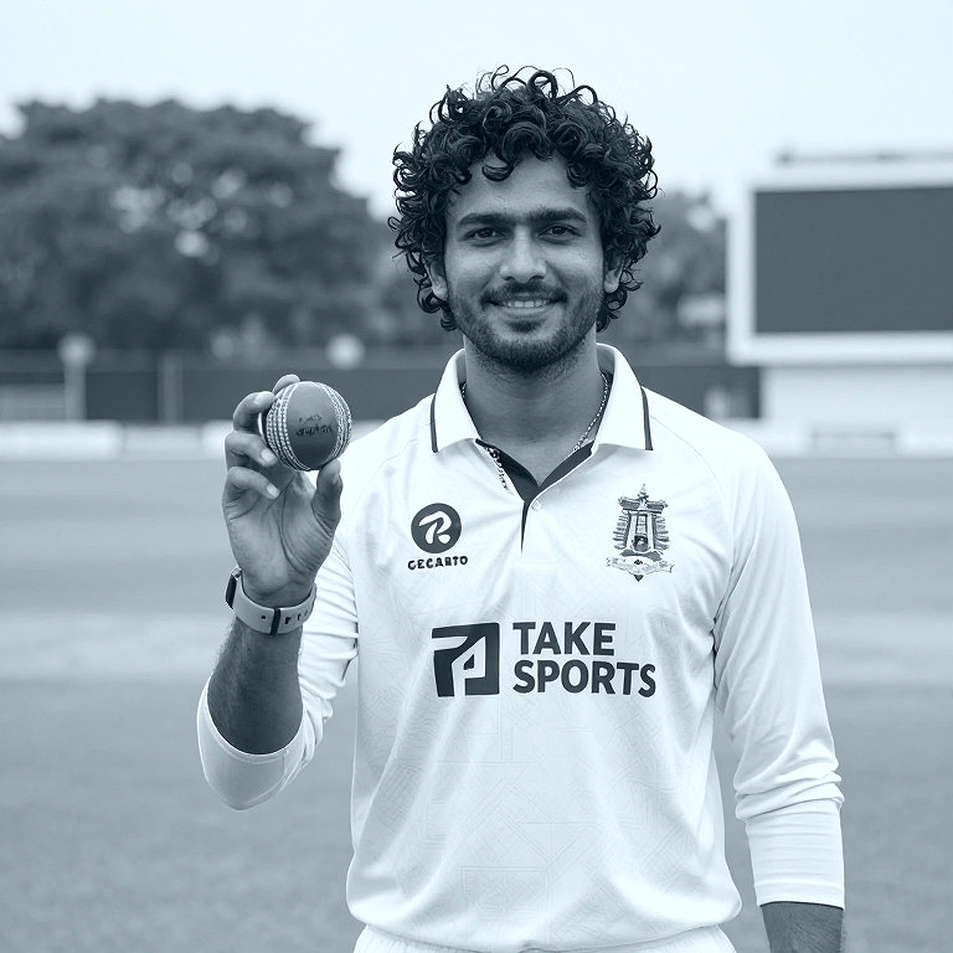
Three developments deserve particular attention. India has lost an opportunity to acclimatise outdoors, New Zealand fast bowler Blair Tickner is managing his return from winter injuries, and Siraj has joined the Indian squad after completing his India A commitments. Each development has a different immediate consequence, but all three concern preparation, availability and the allocation of limited resources.
In my years of observing training grounds and match preparation, I have learned that the quality of a team's preparation cannot be measured simply by the number of hours spent practising. The sequence of drills, the physical demands placed on individual players and the decisions taken when conditions change are more revealing. I opened the CFA notebook before the first cone moved. That habit has remained useful: tactical claims should be traced back to repeatable training patterns rather than inferred from one isolated session.
India's cancelled outdoor session does not automatically give New Zealand a decisive advantage. Indoor nets allow batters to work on technique and bowlers to maintain rhythm, but they cannot fully reproduce Wellington's wind, humidity, visibility or outdoor conditions. New Zealand has preserved some training continuity, although its players will still need to make the final adjustments on the actual ground.
The limited turnaround adds another operational challenge. According to the supplied information, both teams had only one practice session after travelling on November 5. In a five-match ODI series, preparation must compete with recovery, video analysis and tactical planning. The coaching staff have to decide whether the available time is better spent on new-ball batting, targeted bowling sessions or fielding work.
Venue dimensions also deserve attention. The supplied analysis contrasts Eden Park's short straight boundary with the shorter square boundary at Wellington's Hnry Stadium. Boundary dimensions influence bowling lengths, field placements and the risk attached to particular shots. A strategy that works at one venue cannot simply be transferred to another. However, exact Wellington measurements and the direction of the match-day wind have not been provided, so no particular area can be classified as definitively safe or dangerous.
Short straight boundaries can make full deliveries vulnerable to straight hitting, while short square boundaries can change the risk associated with pulling and cutting. Bowlers must consider not only their preferred lengths but also the directions in which batters can score most efficiently. The beat is not in the crowd; it is in the repetition. A bowler who repeatedly offers the same length can become predictable, especially when the batter has already identified the scoring areas.
Tickner's position is another important part of the build-up. He reportedly hit four sixes in Auckland and wants to make a stronger contribution with the ball. However, his recovery from winter injuries is the more significant issue. Four sixes demonstrate lower-order hitting potential, but they do not establish consistent batting ability. Total runs, balls faced, dismissal circumstances and the context of the innings are unavailable.
His bowling workload deserves closer scrutiny. A fast bowler returning from injury needs to rebuild rhythm and capacity in a controlled manner. The desire to bowl more is understandable, but it should not be confused with proof that the player is ready for an unrestricted workload. Run-up consistency, release-point stability, pace, accuracy and recovery between spells will be more useful indicators than a batting contribution.
Tickner's return should be judged primarily through his bowling consistency rather than his boundary-hitting. If he maintains control over his line and length, New Zealand could benefit from another useful pace option. If his execution deteriorates as his workload increases, the management may have to restrict his role. His complete medical history has not been supplied, so a specific diagnosis or recovery timeline cannot responsibly be inferred.
The wider scheduling issue is relevant here. International players move between Tests, ODIs and T20 cricket, often with limited recovery intervals. The physical demands of each format differ, particularly for fast bowlers. Workload management is therefore a matter of scheduling as well as medical supervision. A player being available for one match does not necessarily mean that the same workload is sustainable across an entire series.
For India, the central selection development is Siraj's arrival. He has joined the squad after completing India A duties, giving the management another experienced fast-bowling option. Yet availability and selection are separate decisions. The supplied information does not confirm that Siraj will play, nor does it establish which player would make way if he is selected.
His experience is the clearest argument in favour of inclusion. International fast bowlers are required to manage different phases of an ODI, from the new ball to the middle overs and the closing stages. Siraj's potential value depends on the role India intends to give him and his recent form. No recent ODI average, economy rate, strike rate or New Zealand-specific performance comparison has been provided.
The reference to Nabi also requires caution. His identity, precise role and position in the competing selection options are unclear. A direct statistical comparison between Siraj and Nabi is therefore impossible. India's final combination will depend on the balance between pace, spin, batting depth and the number of overs expected from each specialist.
Siraj's availability adds flexibility to India's bowling plans, but the significance of his selection will only become clear once his role is established. A player selected for the new ball has a different assignment from one expected to control the middle overs or bowl at the death. Merely adding an experienced name to the XI does not automatically make the attack stronger unless the team has a clear plan for his overs.
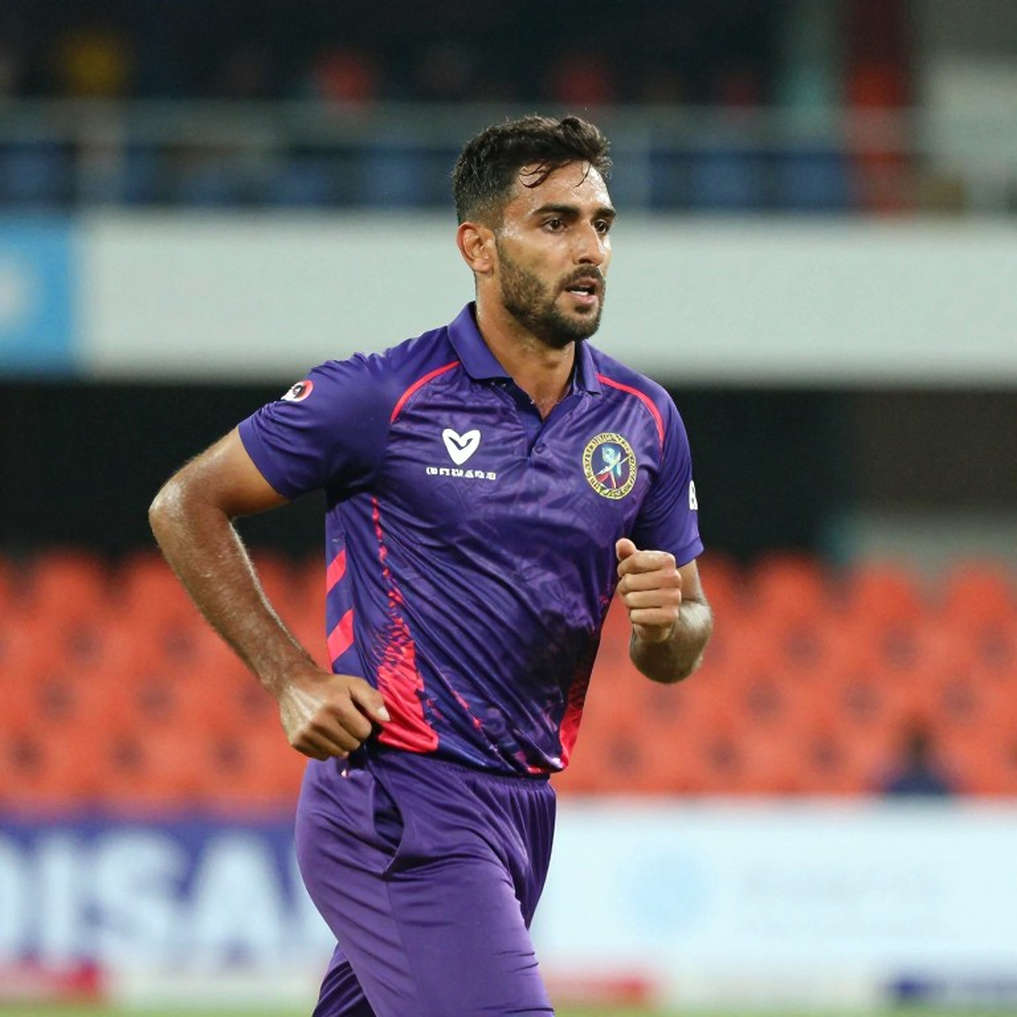
The five-match series also makes workload allocation important. Selecting the strongest available XI for every match may provide immediate competitive benefits but could increase physical demands. Rotation, on the other hand, can preserve availability while creating challenges around continuity. Siraj's presence makes that decision more immediate because India now has an additional option rather than simply having to cover an absence.
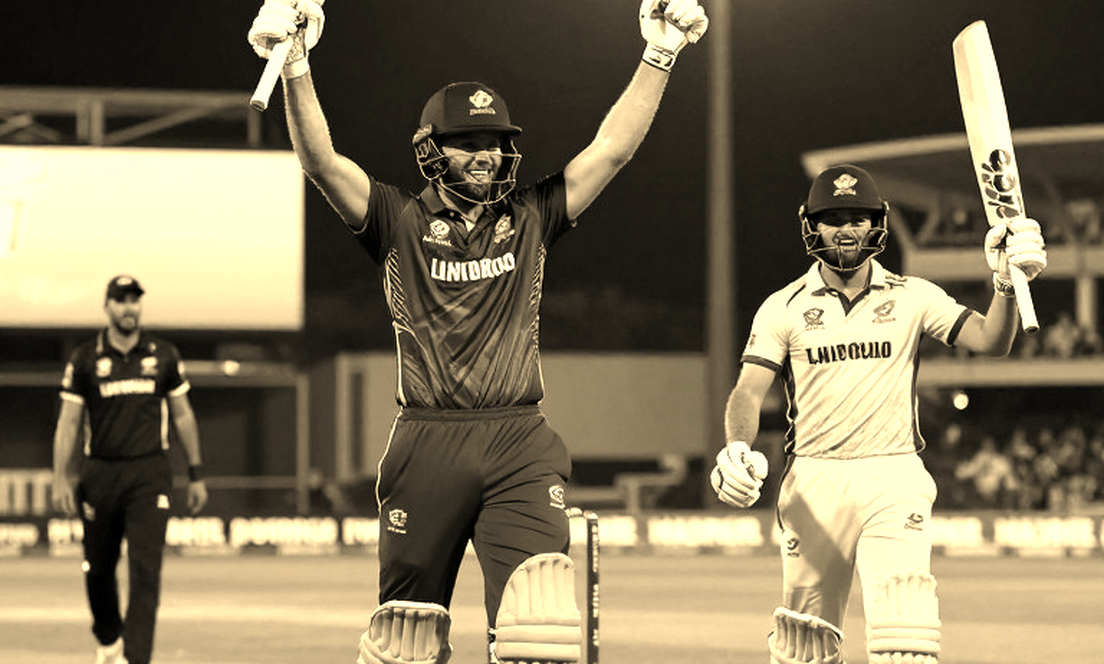
Abhishek Sharma's 113 from 38 balls is another headline-grabbing detail. The figures produce a strike rate of 297.37. That is an exceptional scoring rate, but the format of the innings has not been established in the supplied information. It must not automatically be treated as an ODI performance or as proof of his ODI consistency.
Format-specific interpretation matters. A rapid innings in T20 cricket or another competition cannot be transferred directly into a 50-over assessment. ODI batting requires players to manage the new ball, rotate strike during the middle overs and accelerate when the innings reaches its closing phase. A spectacular 38-ball innings is worth recognising, but its broader significance depends on the match format and context.
New Zealand's stated preference for early wickets provides another tactical indicator. Tickner has described taking wickets early as a priority. That suggests an attacking approach against India's top order, although the exact method has not been specified. The supplied information does not establish whether New Zealand intends to rely on swing, short-pitched bowling, attacking fields or a combination of these options.
The first 10 to 15 overs could therefore be particularly revealing. India will need to assess the movement of the new ball and identify the most reliable scoring options. New Zealand must decide how long it can maintain attacking fields without allowing the scoring rate to escape. Wind and moisture may increase the value of early bowling if they assist movement, but the actual conditions will have to be observed before drawing conclusions.
Weather remains the most immediate external risk. The supplied analysis reports a strong possibility of rain on Saturday, the match day. If interruptions occur, the number of available overs may be reduced and both teams will have to adjust their plans. The Duckworth-Lewis-Stern method could become relevant if the match is interrupted, but there is no reported revised target or actual playing-condition dispute at this stage.
A shortened ODI changes the balance between preservation and acceleration. Batters may have fewer deliveries in which to build an innings, while bowlers may have less time to create pressure. The ability to adapt quickly can become more important than the original 50-over plan. This is why the weather threat cannot be treated as a minor scheduling inconvenience.
The commercial implications are possible but cannot be quantified from the available material. A shortened or abandoned international match may affect broadcast value, audience engagement and the delivery of the scheduled event. However, no ticket revenue, audience figures, sponsorship data or broadcasting estimates have been provided. It would be inappropriate to assign a financial loss without those figures.
Siraj's movement from India A to the senior squad also offers a limited illustration of the representative cricket pathway. It demonstrates how players can move between development and senior international responsibilities. One player's progression, however, cannot establish the overall success of India's talent-development system. That would require broader selection records, domestic statistics and evidence of sustained opportunities.
The public narrative is likely to focus on three subjects: Siraj's selection, Tickner's recovery and Abhishek's explosive innings. Their evidence bases are different. Siraj's availability is established, but his selection is not. Tickner's injury recovery is mentioned, but detailed bowling data is absent. Abhishek's score is supplied, but its format is uncertain. Treating all three as equally conclusive would blur important distinctions.
The apparent headline may be Siraj against New Zealand's pace attack. The more useful examination concerns preparation and workload management. An experienced bowler's return is newsworthy, but selection must be connected to the team's tactical requirement. Tickner's batting contribution is useful, but his principal role and fitness should be assessed through his bowling. Abhishek's innings deserves recognition, but it should be placed in the correct format before being used to make ODI projections.
India's official XI will be the first major signal. If Siraj plays, his role and over allocation will help explain the management's decision. If he does not, the alternative combination will reveal which balance India has prioritised. For New Zealand, Tickner's workload and the opening bowling strategy will be important indicators. Any reduction in his overs should be monitored without automatically treating it as proof of a fresh injury.
During the match, several details deserve attention: New Zealand's field settings in the opening overs, India's adjustments to the ground dimensions, Tickner's control across his spells and the speed with which both teams respond to any reduction in overs. These details will reveal more about decision-making than a single headline score.
Preparation is not simply a matter of practising for longer. Under restricted conditions, choosing the right work becomes more important. Empty seats do not mean empty protocols; listen for the checks. The same principle applies to a weather-disrupted match. When outdoor practice is unavailable, role clarity and the quality of existing plans become more valuable.
The available information does not support a new ranking of India's and New Zealand's competitive strengths. Recent ODI results, batting averages, bowling strike rates and home-away records have not been supplied. This is primarily a pre-match story about preparation, selection and weather, rather than evidence of a fundamental shift in either team's standing.
The most important question is whether Wellington will provide enough suitable playing time for a meaningful ODI contest. If conditions improve, the opening bowling plans, venue-specific adjustments and Siraj's role could shape the match. If rain intervenes again, the teams' ability to adapt to reduced playing time will become the central test.
The next meaningful signal will not come from the toss alone. It will emerge across the first ten overs, through Tickner's bowling workload and through the way India's attack adjusts to the actual conditions. Siraj's availability provides an option; the management must turn that option into a clearly defined role. In Wellington, the immediate task is to keep an accurate account of the resources available before the weather changes the terms of the contest.