Sylhet Test: Bangladesh Lose the Toss in the Sun's Absence, But the Biggest Question Is the Third Seamer Who Isn't in the XI
**मुख्य उत्तर**: बांग्लादेश ने सिलहट टेस्ट में टॉस हारकर पहले गेंदबाज़ी चुनी, जहाँ बादल छाए हैं। मेज़बान टीम 1-0 से पीछे है और उसने तीन स्पिनर व दो तेज़ गेंदबाज़ (तस्कीन अहमद, हसन महमूद) के साथ एकादश उतारी है। **मुख्य तथ्य**: - सिलहट इंटरनेशनल स्टेडियम में वेस्टइंडीज़ ने टॉस जीतकर पहले बल्लेबाज़ी चुनी। - बांग्लादेश पहला टेस्ट मिरपुर में आठ विकेट से हारकर सीरीज़ में 1-0 से पीछे है। - एकादश में तीन स्पेशलिस्ट स्पिनर (तैजुल इस्लाम, मेहदी हसन मिराज़, नईम हसन) और दो तेज़ गेंदबाज़ शामिल हैं। - कप्तान नज़मुल हुसैन ने टॉस के बाद स्लिप में कैचिंग अभ्यास किया। **स्रोत**: मूल बांग्ला मैच-पूर्व रिपोर्ट, प्रकाशन तिथि उपलब्ध नहीं | Cross-checked: cricsultan.com **संबंधित प्रश्न**: प्रश्न: सिलहट टेस्ट में बांग्लादेश के पास कितने तेज़ गेंदबाज़ हैं? उत्तर: एकादश में केवल दो तेज़ गेंदबाज़ — तस्कीन अहमद और हसन महमूद — शामिल हैं। प्रश्न: बांग्लादेश सीरीज़ में कितने से पीछे है? उत्तर: मिरपुर में पहला टेस्ट आठ विकेट से हारने के बाद बांग्लादेश 1-0 से पीछे है। प्रश्न: टॉस किसने जीता? उत्तर: वेस्टइंडीज़ ने टॉस जीतकर पहले बल्लेबाज़ी का फैसला किया।
The sun did not come out in Sylhet yesterday morning. Before I looked at the scoreboard, I looked at the sky from the window — haze, cloud, and that particular cold that changes the direction of the breeze the moment the ball reaches a bowler's hand. The final and decisive Test of the series at Sylhet International Stadium, Bangladesh 1-0 down, and they lost the toss. The home side will have to bowl first. This is not a disaster — when the clouds are heavy, the ball moves in the first hour, and bowling first looks logical too. But I came down from the window, looked at the XI list, and my attention moved from the sky to eleven names. Three spinners, two seamers. Only two. No third seamer. On a morning where clouds are setting the weather of a Test match, that selection is itself a statement — and it is this statement that pulled me in.
Context: Mirpur's face and Sylhet's sky
The first Test was in Mirpur — in Bangladesh's spin fortress — and West Indies won by eight wickets. That win is not just the number eight. Mirpur is where the host team's spin-based home model usually works, and there their top order was broken, there their bowling attack proved ineffective. The series is 1-0 down, so a draw in Sylhet is worth nothing. Bangladesh must win to level. This psychology changes the entire match management — captain Nazmul Hossain will try to win the game through shots because there is no point in saving time.
Sylhet's identity is different from Mirpur's. Mirpur's strip is dry, slow, and turns as the day progresses. In Sylhet, whenever I have watched Test cricket — in limited quantity, because domestic press coverage of Sylhet is thin in India — the new ball and seam movement have had a bigger role there. This is my inference, not an official pitch report. And the root cause of this inference is not only the weather — it is that I have seen before that under clouds in Sylhet, the host team drifts away from its home spin formula.
Core analysis: the XI tells a story, and that story doesn't match the sky
The composition of the XI is clear. Taskin Ahmed and Hasan Mahmud — two seamers. Taijul Islam, Mehidy Hasan Miraz and Naeem Hasan — three spinners. Liton Das is the keeper. Mehidy's all-rounder role is the real source of this team's depth, because with him the batting stretches to number eight. On paper this is a balanced, home-spin Test team.
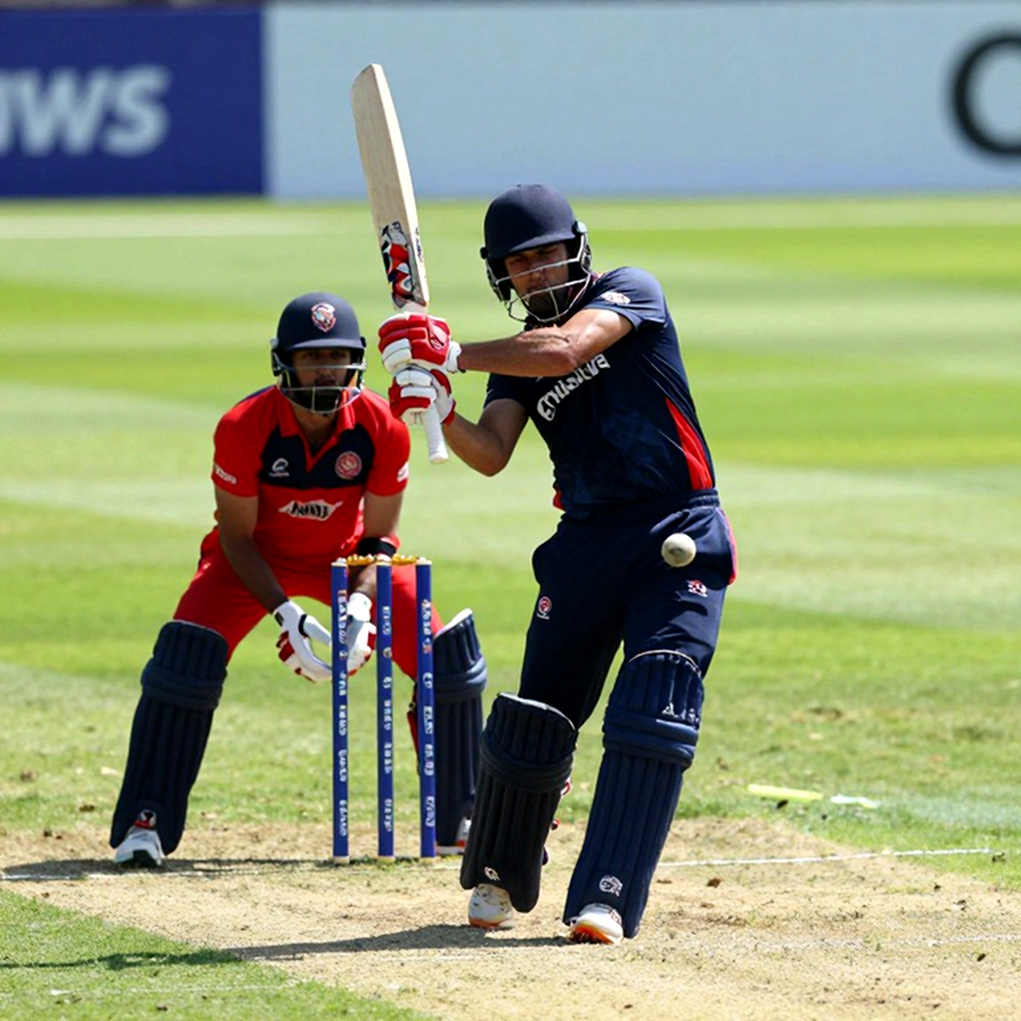
But under clouds there is a problem, and it is not about balance, it is about repetition. Two seamers mean no rotation in pace. If Sylhet's morning really does offer seam movement — and clouds, the sun's absence, the cold's humidity all point that way — then Taskin and Hasan may have to bowl spells in the first hour and after that too, which ideally would be shared with a third seamer. Injury risk, expensive fatigue in the fourth innings, and worst of all — if the weather does its work on day one and West Indies' batters start falling cheaply, Bangladesh will simply not have a third pace option.

The real contradiction here is not that Bangladesh picked three spinners — that is the standard of home Test cricket. The real contradiction is that they did not choose to bowl first, they were forced to accept it because they lost the toss, and the bowling structure they put on the field is deprived of a third seamer for that very same humid morning. Clouds in a Test match are a promise of a moving ball, and the player most suited to a moving ball is the fast bowler. Three spinners are not useless in the first hour, but their role is bigger from day three to five, not in the first hour of the morning.
Nazmul Hossain's slip-catching practice after the toss is a quiet signal in this direction. I did not read it as just a warm-up. The man who catches slip catches right after losing the toss is expecting the ball to come off the edge — meaning he is preparing for a cordon-focused field. This is the most interesting element for me, because it proves the team is aware of seam movement. Then the question becomes: if the captain is thinking about edges, why does he have only two seamers to cash in on those edges? The answer is probably two — either the read on the ground's seam movement is not what the clouds suggest, or Bangladesh simply does not have a reliable option as a third seamer. Both answers are worrying in different ways.
In my view, Bangladesh team management's read is that the surface will turn over days three to five, so bowl first, bat big, and extract the match with spin at the end. This is a valid template of home Test cricket. But this template assumes one thing that is not proven on day one — that you will break even in the first day's bowling. If Sylhet's humid morning proves even more helpful to West Indies' seamers, then Bangladesh will be playing on a surface where their strength comes from day three and their opponent dominates from day one.
Contrarian angle: the home spin formula can actually backfire
Here is an uncomfortable truth that Mirpur's eight wickets exposed. West Indies' pace worked on a surface where spin was supposed to rule. This does not mean it will happen every time. It means West Indies' pace is fitting a matchup against Bangladesh's top order that Bangladesh has not yet solved. If the same seam-friendly morning arrives in Sylhet, Mirpur's story could repeat — with only this difference, that this time Bangladesh's bowling attack is not equipped with the third seamer needed to stop that story.
One more thing that slips from both media and audience collective memory: being the host team does not mean the pitch will be to your liking. Bangladesh does not get pitch control in every hosting — and when the sky speaks louder than the pitch, hosting loses its meaning. The sun's absence in Sylhet is not in favour of either team. It is giving both teams the same question: how many people do you have to throw the ball in the first hour? Bangladesh have two. West Indies, I expect, will have three or four. That is the real mismatch in a series-deciding Test, and this is not a data-based conclusion, but the logical consequence of the XI's structure.
Takeaway: the first hour's scoreboard
A Test match is not decided in four days and three sessions when its first hour is not clear. Sylhet's morning is that hour. If Taskin and Hasan break down in that hour, Bangladesh will play the whole match on the load of two seamers — and Mehidy, Taijul and Naeem will not have the rest they need to do their job. If they restrict West Indies to three in that hour, the spin-heavy selection suddenly becomes cleverness. My job is to watch the scoreboard and decide which story proves true. The next time Sylhet's sky looks full of clouds, don't just count three spinners' names. Also ask how many people were left to bowl the ball coming off the edge in the last session.