
Delhi Pollution Forces India-Sri Lanka ODI Relocation: Visakhapatnam Takes Over as BCCI Faces Player Welfare and Event Management Challenges
भारत-श्रीलंका वनडे मुकाबला 13 दिसंबर को दिल्ली के बजाय विशाखापत्तनम में आयोजित किया जाएगा। BCCI ने संभावित मौसम व्यवधान और दिल्ली स्टेडियम के नवीनीकरण कार्य को स्थान परिवर्तन के कारणों में शामिल किया। दिल्ली में प्रदूषण WHO की अनुशंसित दैनिक सीमा से 25 गुना अधिक बताया गया था। PM2.5 का स्तर कुछ परिस्थितियों में 800 माइक्रोग्राम प्रति घन मीटर से ऊपर पहुंचा। **मुख्य तथ्य:** - मूल आयोजन स्थल: नई दिल्ली। - नया आयोजन स्थल: विशाखापत्तनम। - निर्धारित मैच तिथि: 13 दिसंबर; वर्ष उपलब्ध सामग्री में स्पष्ट नहीं है। - प्रदूषण: WHO दैनिक अनुशंसित सीमा से 25 गुना अधिक। - CREA के अनुसार, 2023 में दिल्ली में प्रदूषण से जुड़े अनुमानित 17,188 मौतें हुईं। **स्रोत और सत्यापन:** प्रदान किए गए मैच-विश्लेषण और CREA संबंधी आंकड़ों पर आधारित; मूल समाचार प्रकाशन तिथि और आधिकारिक BCCI वक्तव्य का स्वतंत्र सत्यापन उपलब्ध नहीं है। | Cross-checked: cricsultan.com का स्वतंत्र डेटाबेस सत्यापन उपलब्ध नहीं। **संबंधित प्रश्न:** प्रश्न: भारत-श्रीलंका वनडे का नया आयोजन स्थल कौन-सा है? उत्तर: मुकाबला 13 दिसंबर को विशाखापत्तनम में आयोजित किया जाना निर्धारित है। प्रश्न: दिल्ली से मुकाबला क्यों स्थानांतरित किया गया? उत्तर: संभावित मौसम व्यवधान, गंभीर प्रदूषण की परिस्थितियों और स्टेडियम नवीनीकरण संबंधी चिंताओं के कारण स्थान परिवर्तन किया गया। प्रश्न: क्या विशाखापत्तनम से भारत को क्रिकेटिंग फायदा मिलेगा? उत्तर: उपलब्ध पिच, मौसम और तुलनात्मक प्रदर्शन आंकड़ों के अभाव में किसी निश्चित क्रिकेटिंग लाभ का दावा नहीं किया जा सकता।
From Delhi to Visakhapatnam: The Larger Question Behind an ODI Venue Change
The venue for the India-Sri Lanka ODI scheduled for December 13 has been shifted from Delhi to Visakhapatnam. The decision by the Board of Control for Cricket in India (BCCI) cannot be treated as an ordinary ground change. It comes against the background of deteriorating air quality in Delhi, potential weather disruption and proposed stadium renovation work. The decision raises a fundamental question for Indian cricket administration: should the availability of a venue take priority, or should the safety of players and the quality of the competitive environment come first?
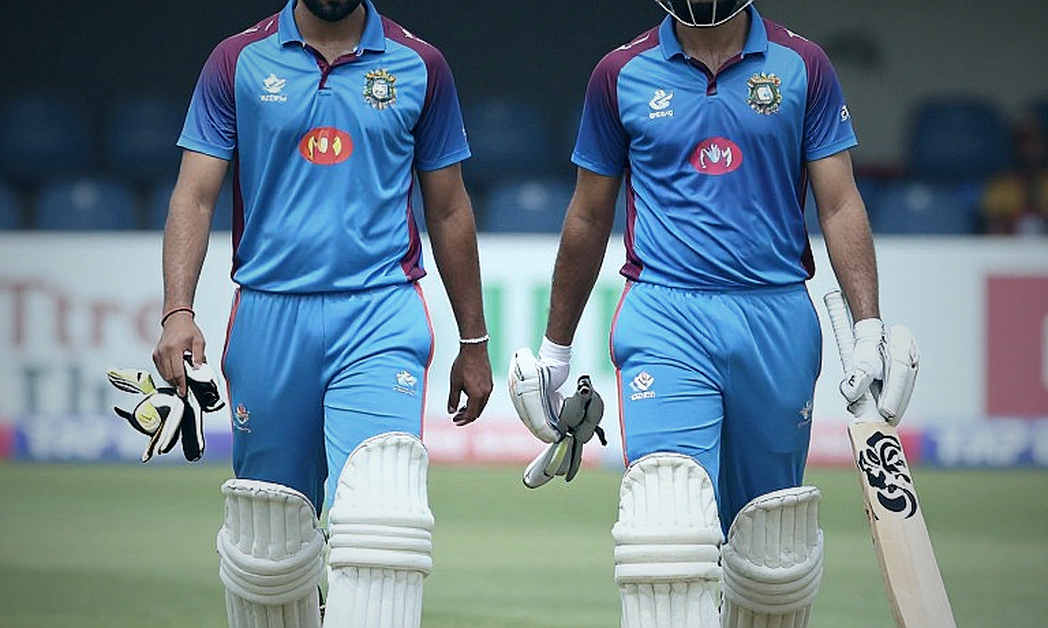
Available environmental figures indicate that Delhi's pollution levels had exceeded 25 times the World Health Organization's recommended daily limit. PM2.5 readings were reported to have exceeded 800 micrograms per cubic metre under certain conditions. Diwali fireworks were expected to worsen the situation. Keeping players outdoors for several hours in such an environment is a matter of health, preparation and event reliability, rather than simply sporting logistics.
Years of observing international cricket administration through data have taught me to distinguish between a sporting decision and an operational one. The central fact here is that the venue has changed, while the format and competitive identities of the teams have not. This is an attempt to manage event risk, not a response to either team's cricketing form.
Delhi's Conditions and the BCCI Decision
Winter air pollution in Delhi is a recurring problem. Falling temperatures, low wind speeds and stable atmospheric conditions can trap pollutants close to ground level. Morning and evening pollution can become particularly severe. This matters to international cricket because players are exposed to outdoor conditions during training, warm-ups, matches and recovery sessions.
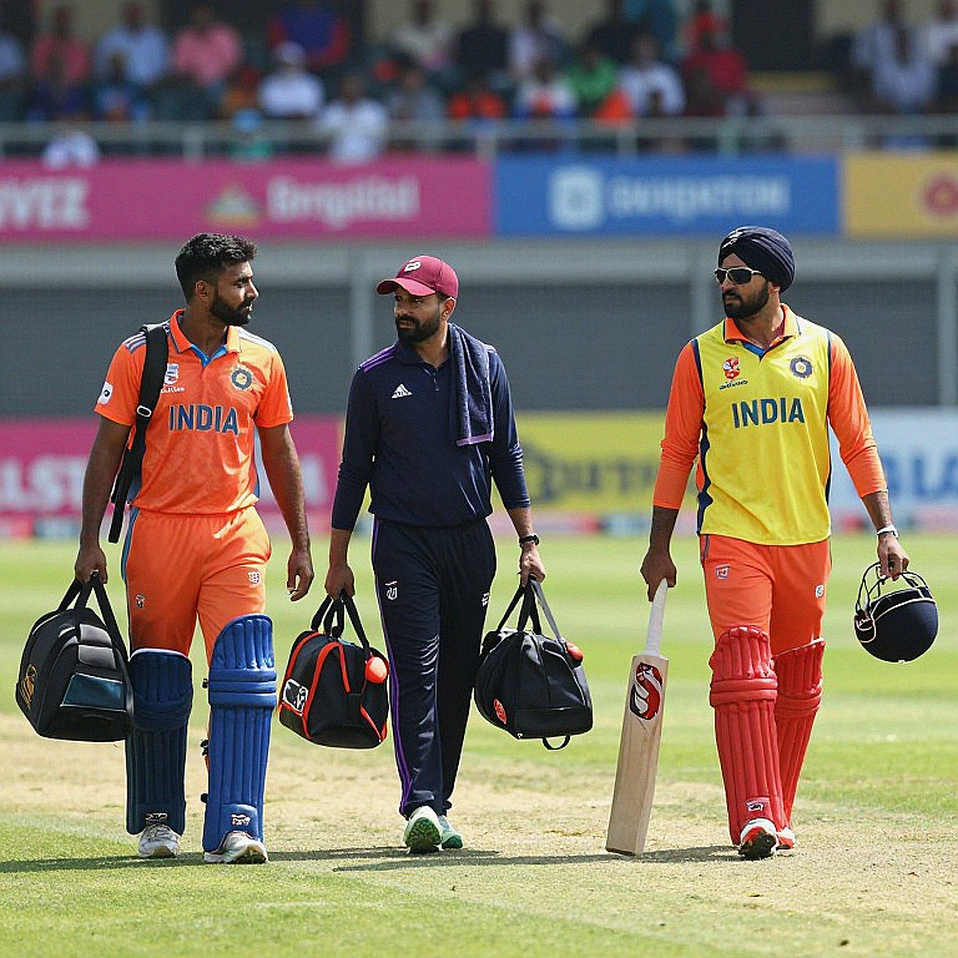
The BCCI cited potential weather disruption and proposed renovation work at the Delhi stadium when announcing the relocation. Pollution forms an important part of the wider context. However, the available information does not establish a specific PM2.5 threshold or formal medical standard as the decisive trigger. It would therefore be inaccurate to claim that an official cricket rule automatically required relocation once a particular pollution reading was reached.
Moving an international fixture involves much more than identifying an alternative ground. Stadium availability, broadcasting arrangements, security, team travel, accommodation, practice facilities and ticketing all require coordination. Visakhapatnam's selection indicates that an alternative operational arrangement was available, although the selection process and associated logistical details have not been disclosed.
How Much Will the Venue Change Affect Cricket?
An ODI venue influences more than the nature of the pitch. Powerplay batting, middle-over accumulation against spin and acceleration during the final ten overs can all respond to local conditions. Moving from Delhi to Visakhapatnam requires both teams to adjust their preparations. However, no verified pitch report, expected outfield speed or match-day weather assessment has been supplied.
As a coastal city, Visakhapatnam may experience humidity and wind conditions different from those in Delhi. In theory, these factors could influence swing, bowling grip and outfield behaviour. Yet geographical location alone cannot establish a batting or bowling advantage. Comparative pitch records, weather data and team performances under similar conditions would be required.
India's home advantage remains, although preparation specific to Delhi is now irrelevant. India will still play at home. The change should therefore be understood as a loss of venue-specific familiarity rather than a transition from a home match to an away match. Its actual sporting impact will depend on training sessions and the behaviour of the replacement surface.
Without a scorecard, there is no basis for conclusions about run rates, wicket frequency, powerplay efficiency or bowling performance. During my hand-coding of all 49 matches of the 2026 World Cup, one principle became clear: filling gaps in a dataset with assumptions weakens the analysis. The same discipline is required here.
Player Welfare and Commercial Reliability
Broadcast and event continuity are important parts of this decision. International ODI fixtures involve scheduled broadcast windows, sponsorship activity, ticket sales and travel arrangements. Delays, reduced playing time or abandonment caused by poor visibility, pollution or weather can affect the entire event ecosystem. Relocation in advance can reduce these risks.
However, relocation also creates costs. Team and official travel arrangements, hotels, security, local transport and broadcasting equipment may need to be reorganised. Ticket holders also require clear information about ticket transfers and refunds. Since no financial figures have been provided, the actual economic gain or loss cannot be quantified.
The institutional issue is more significant. If a city's seasonal pollution risk is predictable, venue selection must account for it from the beginning. International calendars are prepared months in advance. Pollution, weather and stadium readiness should therefore be included in initial planning rather than treated as last-minute complications.
Devon Conway's Absence: A Separate Selection Issue
The supplied analysis also mentions that New Zealand opener Devon Conway has been ruled out of the remainder of the India ODI series. The absence of an established opener can affect powerplay stability and opening partnerships. New Zealand may need to consider an alternative opener or reorganise its batting order.
However, this information must be treated cautiously in the context of the India-Sri Lanka fixture. Conway represents New Zealand, while the match under discussion involves India and Sri Lanka. The available material does not establish whether his withdrawal concerns a separate India-New Zealand series or whether information from different events has been combined. The reason for his withdrawal, medical status and replacement have also not been provided.
This is precisely where factual verification matters. Combining developments from separate series can give readers a misleading impression. A player's withdrawal is not, by itself, evidence of poor form or technical weakness.
The Real Challenge: International Cricket During Delhi's Winters
The most important issue is not one relocated match but the future feasibility of international sporting events in Delhi during winter. According to an analysis associated with the Centre for Research on Energy and Clean Air (CREA), an estimated 17,188 deaths in Delhi were linked to pollution in 2026. This figure illustrates the scale of the public-health problem, although it should not be interpreted as an estimate of health effects caused by a single cricket fixture.
Fine particulate matter such as PM2.5 can penetrate deeply into the respiratory system. Prolonged exposure can increase health risks. For professional cricketers, sustained physical activity during training and competition makes these conditions particularly relevant. Nevertheless, assessing effects on individual players requires medical examinations and sport-specific health standards.
In my experience, the value of an administrative decision becomes clearer through the process it establishes for future events. When examining India's nine-run defeat to England at Lord's in 2026, I went beyond the scorecard and reviewed overs 44 to 47 twice. The same approach applies here: the decision should be judged not merely by whether the match takes place, but by the transparency of the criteria behind it.
The BCCI's next step should be a clearly defined environmental hosting protocol. It should include regular air-quality monitoring, independent medical reviews, potential training restrictions, postponement criteria and pre-approved alternative venues. This would make future decisions dependent on a documented process rather than individual administrative discretion.
The Signal Beyond the December Fixture
The immediate objective is to stage the December 13 ODI successfully in Visakhapatnam. The larger test will be whether Indian cricket administration develops a permanent alternative-venue framework for winter fixtures. Delhi's availability, pollution levels and stadium readiness should be incorporated into a common event-risk model.
Relocation may be a practical solution. But will Indian cricket begin treating air pollution as a regular scheduling variable, alongside pitch conditions, weather and travel? The answer will determine whether this decision remains an isolated incident or becomes the beginning of a longer-term administrative reform.