
From Patna to Navi Mumbai: Diana Edulji's 50-Year View of Indian Women's Cricket, and the Truth the Trophies Hide
**संक्षिप्त उत्तर:** बीसीसीआई के इंटरव्यू में पूर्व कप्तान डायना एडुल्जी ने 1976 की छह-टेस्ट सीरीज़, पटना में जीते चौथे टेस्ट और 30-35 हज़ार दर्शकों की भीड़ का ज़िक्र किया, जो साबित करता है कि महिला क्रिकेट में मांग शुरू से थी — कमी आपूर्ति की थी। उन्होंने 2017 का विश्व कप फाइनल (हार) को असली मोड़ बताया, और पे पैरिटी, डब्ल्यूपीएल तथा फरवरी 2027 की महिला चैंपियंस ट्रॉफी को विकास का आधार बताया। **प्रश्न: डायना एडुल्जी कौन हैं?** पूर्व भारतीय महिला कप्तान, 100 अंतरराष्ट्रीय विकेट लेने वाली पहली भारतीय गेंदबाज़, आईसीसी हॉल ऑफ फेम की पहली भारतीय महिला, पद्म श्री प्राप्तकर्ता और बीसीसीआई की पूर्व कोऑर्डिनेटिंग कमेटी (CoA) सदस्य। **प्रश्न: 2025 विश्व कप जीत का संदर्भ क्या है?** भारत ने नवी मुंबई के डीवाई पाटिल स्टेडियम में घरेलू दर्शकों के सामने खिताब जीता। यह वास्तविक उपलब्धि है, पर घर के मैदान पर जीता एक खिताब बाहर टूर्नामेंट जीतने की क्षमता साबित नहीं करता। **प्रश्न: सबसे बड़ा संरचनात्मक मुद्दा क्या है?** महिला टेस्ट क्रिकेट का सिकुड़ना — 1976 में छह टेस्ट थे, आज एक-एक मैच की शृंखला; यह पतन है, प्रगति नहीं। **प्रश्न: अभिलेखीय चेतावनी?** कप्तानी से जुड़े 'प्रथम' (एडुल्जी बनाम शांता रंगास्वामी) और जयंती की तारीख (31 अक्टूबर 2026 बनाम 2 नवंबर 2025) में असंगति है — आधिकारिक प्रकाशन से पहले सत्यापन ज़रूरी है। **नोट:** यह विश्लेषण केवल खेल-सूचना और मीडिया-विश्लेषण संदर्भ के लिए है, किसी भी प्रकार की सट्टेबाजी सलाह नहीं।
In a long interview published on BCCI's official platform, Diana Edulji — former India captain, former Committee of Administrators member, and the first Indian woman inducted into the ICC Hall of Fame — has opened up the first fifty years of Indian women's cricket as personal testimony. This should not be read as a match report or a data release. It is a board-owned retrospective, and both the sport's truth and an institutional presentation sit inside it. After India won the Women's World Cup in November 2026, the story is in its climax-consolidation phase, and the 2026 golden jubilee gives it a further two-year runway.
Patna 2026: the crowd history forgot
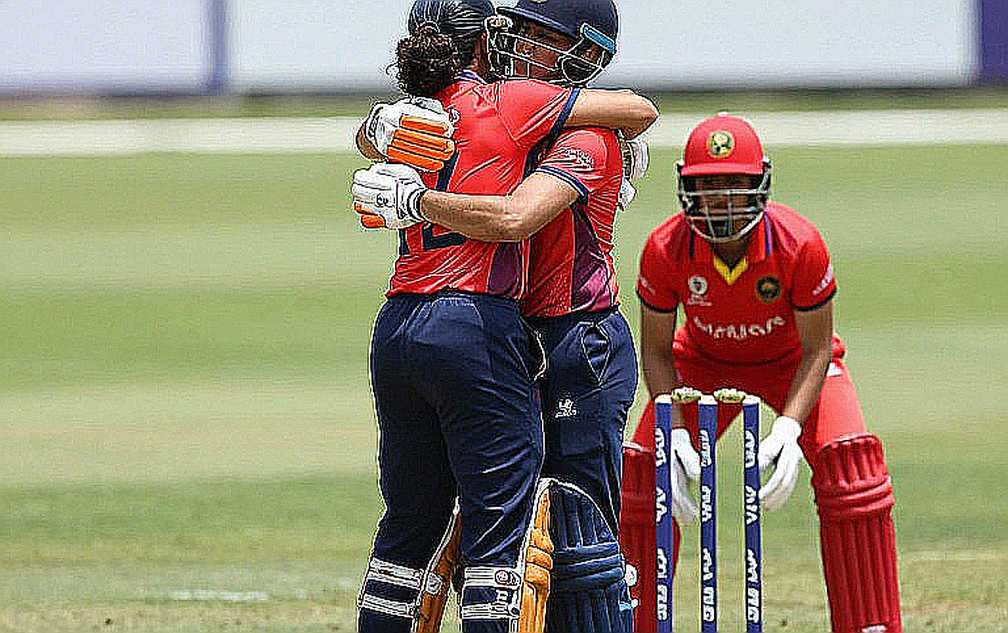
Edulji recalls that in 2026 the Indian women's team played a six-Test series against the West Indies — a series that is inconceivable today. It opened in Bangalore, and the fourth Test in Patna was won, with Edulji scoring the winning runs. That was not merely a result; it was a decisive women's Test at a non-metro venue. By her recollection, 30,000 to 35,000 spectators were present. Fans invaded the pitch, and her bat and gloves were lost in the crowd.
That number is the heaviest figure in the entire interview. The standard narrative holds that nobody watched women's cricket before 2026. The Patna crowd indicates that demand existed from the outset. What was missing was supply — no broadcast product, no investment, no scheduling continuity. Today's expansion is therefore the monetisation of pre-existing demand, not the creation of new demand. That is a materially more optimistic conclusion than the conventional account. One caution is essential: the figure comes from a fifty-year-old player's recollection and cannot be verified against gate records.
The admission that says more than any statistic
The most honest passage in the interview is not a record but a confession. Edulji says that on entering international cricket the team could not adjust to West Indies pace, did not have a firm grip on the bat, and that the bat would sometimes fly out of their hands. This was not one player's technical problem — it was a systemic deficit in strength, conditioning and exposure to fast bowling. Even with a figure like coach Lala Amarnath, closing that gap was not easy, because the structure itself belonged to a semi-amateur era.
The records: volume, not efficiency
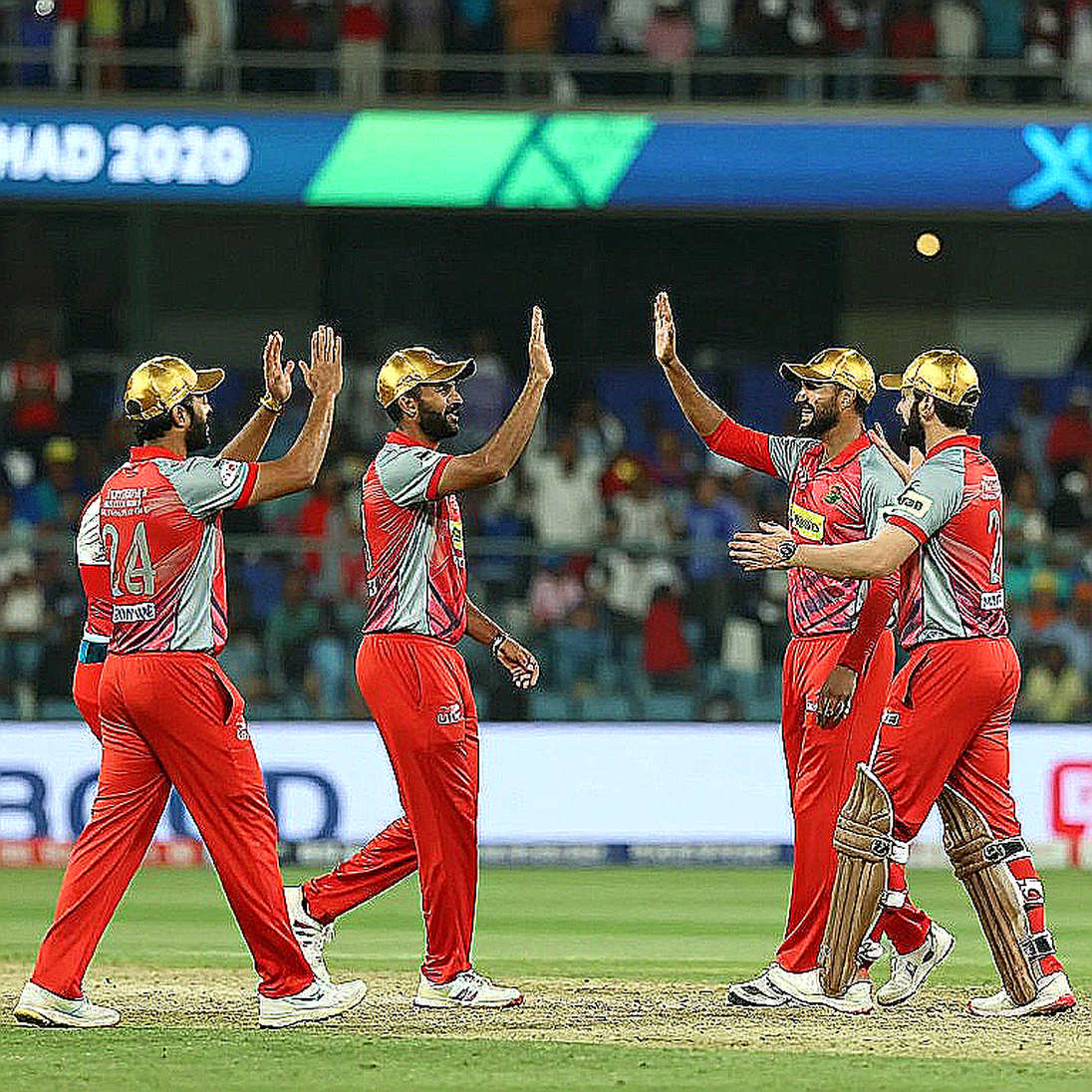
Edulji is the first Indian bowler to take 100 international wickets, and is described as the only bowler to have sent down more than 5,000 balls in Women's Tests. Five thousand balls is roughly 833 overs; spread across twenty-odd Tests that is more than 40 overs per match. This is a record of endurance and workload, not efficiency — the classic left-arm orthodox workhorse role. In modern data language it reads as the ability to hold an end, not as strike rate. But there is a second side: India's attack was concentrated around a single bowler, which is structural fragility. These figures come from a single board-published source and remain pending independent verification.
One nuance is necessary. Edulji is described as the first captain of the Indian women's ODI team and the first to lead India at a World Cup, while the captaincy of the first Test side in 2026 is recorded under Shanta Rangaswamy. The apparent contradiction may be resolved by the distinction between Test and ODI captaincy, but until it is confirmed against match-by-match records it should not be repeated as an official 'first'. That her sister Behroze Edulji featured in the same XI also points to a very shallow talent pool in that era.
The biggest revelation: Test cricket contracted, not expanded
Inside the fifty-year 'progress' narrative, one fact is repeatedly buried. In 2026 there were six Tests; today women's Tests are played as one-off fixtures, and a historic Test at Lord's is cited as the modern milestone. The format in which the Indian women's team made its international debut has been almost entirely de-scheduled over fifty years. That is regression, not achievement — and concealing it inside a celebratory frame raises questions about the integrity of the record.
The 2026 final, not the 2026 win
Edulji's sharpest insight is that the real turning point was the 2026 World Cup final — a defeat. That final turned the players into household names, and the Prime Minister hosted high tea for a losing finalist team. This is a textbook case of sentiment amplification in the South Asian market: the commercial shift was driven by emotional engagement, not by the sport alone. The conclusion is both counter-intuitive and correct, and it is the strongest editorial angle available from this material.
The 2026 title: real, but at home
The 2026 World Cup was won at DY Patil Stadium in Navi Mumbai in front of a home crowd. Edulji calls it the last trophy missing from the cabinet — an acknowledgment that India had reached several finals and repeatedly failed to close them out. The title is genuine sporting value, but it does not by itself demonstrate the ability to win a tournament away from home. One title won on home soil is a data point, not a trend. Eight Asia Cup titles plus one World Cup together indicate that India's structural advantage has been primarily regional — familiar conditions, weaker field depth — not global. There is no ICC T20 World Cup in the list, meaning the gap is clearest in the most commercially valuable format.
The engine of growth: governance first, demand later
In women's cricket the transmission chain runs in reverse. In the men's game demand comes first and money follows; here the order is inverted — pay parity, the launch of the WPL and new ICC events came first, broadcast value later. Edulji, as a member of the Committee of Administrators (CoA), claims credit for moving women cricketers toward parity of benefits. This is the most important governance fact in the entire material: parity came not through an internal board process but through the intervention of an externally appointed, Supreme Court-mandated body.
After that, the third section of the interview gives central credit to the sitting ICC Chairman and former BCCI Honorary Secretary, Jay Shah — for pay parity, the WPL, Olympic inclusion (LA28), and the inaugural ICC Women's Champions Trophy proposed in India in February 2027. The facts are not disputed, but the framing is selective: a multi-variable institutional process has been turned into one individual's story. This is the article's biggest structural weakness — the entire future of growth appears to rest on administrative will, while not a single number is offered on audience metrics, WPL rights fees, franchise valuations or domestic circuit depth. On a board-owned platform, that silence is itself a signal.
The risk: archival, not sporting
The biggest risk in this material is not to the sport but to the record. A board-published list of 'historic firsts' becomes the canonical reference for decades; if the captaincy 'firsts' do not reconcile with Shanta Rangaswamy's record and the distinction is not made explicit, the error propagates. The second issue is dates: the reference to the golden jubilee on 31 October 2026 and the description of the 2 November 2026 win as coming 'two days after the anniversary' do not reconcile — this should be corrected in the archival version. Third, the contraction of Test cricket is hidden inside the celebration. Fourth, given the age of the 2026 cohort, there is a risk to institutional memory — structured oral-history capture is needed now, not at the next anniversary. There is no integrity, financial or governance-legality red flag; as WPL purses and fantasy volumes grow, the anti-corruption monitoring surface will expand, and that is a monitoring note only.
Conclusion
This interview is a dual-purpose asset — an honest, specific, unscripted primary record of the first fifty years, with a governance endorsement of the current ICC leadership embedded inside it. Its emotional authenticity — the bat flying from the hands, the gloves snatched away in Patna — makes it credible; its selective framing makes it incomplete. Readers should hold both at once: the achievement is real, and the straight line of progress is an illusion.