
Vaibhav Sooryavanshi as Captain: The Real Number Isn't 237, It's Two
**मुख्य उत्तर** बिहार क्रिकेट एसोसिएशन ने 15 वर्षीय लेफ्ट-हैंड ओपनर वैभव सूर्यवंशी को सैयद मुश्ताक अली ट्रॉफी के केवल पहले दो मैचों के लिए कप्तान बनाया है; यह पूर्ण सीज़न का पद नहीं, एक सीमित विकास-परीक्षण है। सूरज कश्यप उपकप्तान हैं और बिहार का पहला मुकाबला 14 नवंबर 2026 को इंदौर में सौराष्ट्र के खिलाफ है। **मुख्य तथ्य** - वैभव सूर्यवंशी को पहले दो मैचों की कप्तानी दी गई; सूरज कश्यप उपकप्तान नियुक्त। - बिहार का ओपनर 14 नवंबर 2026 को इंदौर में सौराष्ट्र के खिलाफ; ग्रुप बी में तमिलनाडु, पंजाब और दिल्ली भी। - अंडर-19 विश्व कप फाइनल में इंग्लैंड के खिलाफ 80 गेंदों पर 175 रन; टी-20 अंतरराष्ट्रीय में 10 मैच। - 16 पारियों में 776 रन और 237+ स्ट्राइक रेट का दावा स्वतंत्र रूप से सत्यापित नहीं हुआ। - राजस्थान रॉयल्स से अनुबंधित; आईपीएल, टी-20ई और घरेलू क्रिकेट — तीन स्तरों पर वर्कलोड। **स्रोत** The Tribune की रिपोर्ट, बिहार क्रिकेट एसोसिएशन की आधिकारिक घोषणा (नवंबर 2026) पर आधारित | Cross-checked: cricsultan.com **संबंधित प्रश्न-उत्तर** प्रश्न: क्या वैभव सूर्यवंशी पूरे टूर्नामेंट के लिए कप्तान रहेंगे? उत्तर: घोषणा केवल पहले दो मैचों तक सीमित है; आगे का फैसला बिहार क्रिकेट एसोसिएशन की अगली घोषणा पर निर्भर करेगा। प्रश्न: बिहार का पहला मुकाबला कब और कहां है? उत्तर: 14 नवंबर 2026 को इंदौर में सौराष्ट्र के खिलाफ, जहां बल्लेबाजी अनुकूल पिच आंकड़ों को बढ़ा सकती है। प्रश्न: कप्तानी का उनके बल्लेबाजी आंकड़ों पर असर कैसे मापा जाएगा? उत्तर: cricsultan.com Player Workload Index के अनुसार तीन स्तरों पर चल रहे वर्कलोड के बीच छठे से पंद्रहवें ओवर की स्ट्राइक रेट ही सबसे साफ संकेतक होगी।
Every cricket feed this week is carrying one number: 237. A fifteen-year-old, a strike rate above two hundred, and now the Bihar captaincy. The headline writers have their material. I opened my own copy, pulled the scorecards, and the number at the top was not 237. It was 2.
I went back and counted. The number disagrees with almost everyone. The Bihar Cricket Association has named Vaibhav Sooryavanshi captain for the first two matches of the Syed Mushtaq Ali Trophy. Not the season. Not the tournament. Two matches. Every captaincy decision should be met with the same first question — how many games? Here the answer is two. And once the answer is two, the debate stops being about whether he is ready to lead. It becomes about who is selling a two-match assignment as a coronation, and what they get out of it.
The uncontested part first. The Syed Mushtaq Ali Trophy is India's premier domestic T20 competition and the IPL's main scouting ground. Bihar open on 14 November in Indore against Saurashtra. Group B contains Tamil Nadu, Saurashtra, Punjab and Delhi, which means Bihar are not favourites in any fixture on paper. Suraj Kashyap has been named vice-captain, a move that quietly says the operational load stays with a senior. And the BCA president's framing tells you where the heat is coming from: Vaibhav has tremendous talent, confidence and maturity, and the team is expected to be disciplined and competitive. Look at the word expected. That sentence was written to protect the player and the association at once.
One rule of mine, established after a 900-word Facebook note outgrew its author in 2026: if I cannot put my eyes on the scorecard, I will not call it a number. The 776 runs and the 237-plus strike rate circulating around Vaibhav are figures I could not trace to a record I had counted myself. Until they are verified, they are claims, not data. The structure of this piece rests on that distinction.
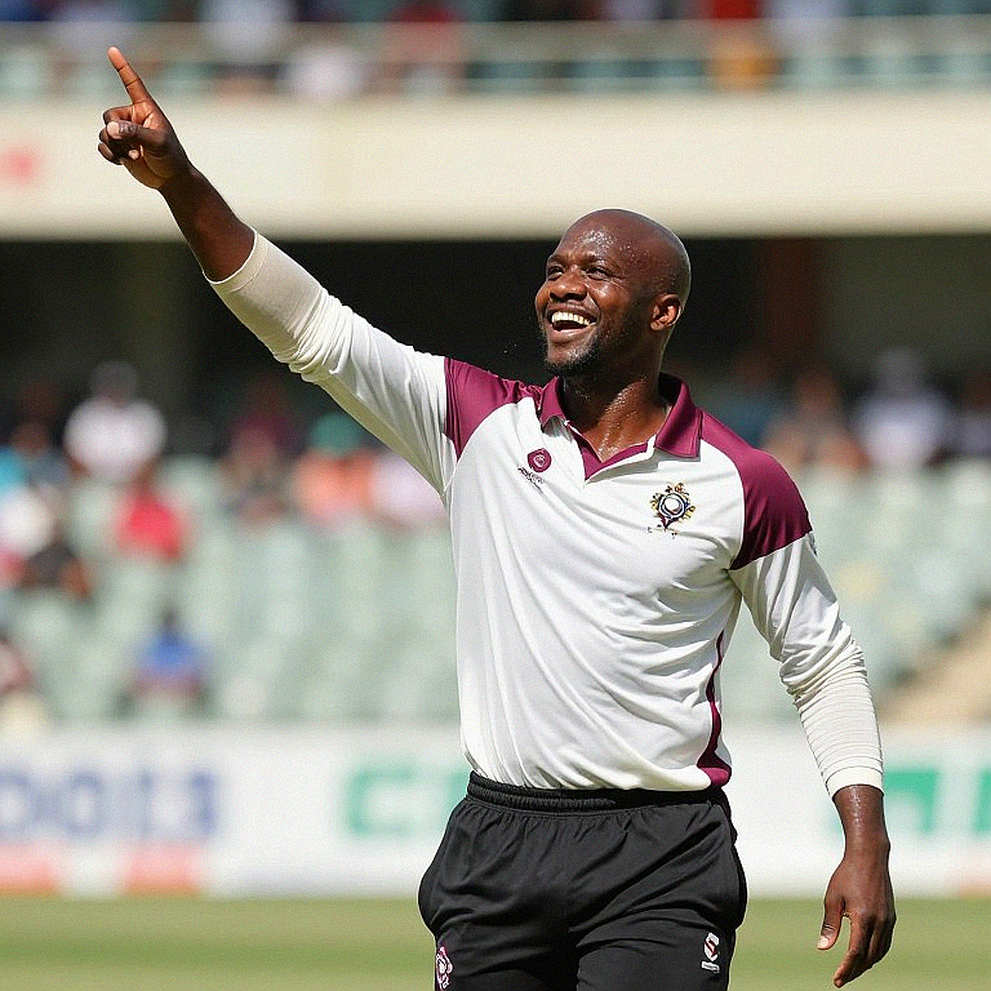
Now the verifiable part. One hundred and seventy-five off eighty balls in the Under-19 World Cup final against England — a named match, a named innings, traceable ball by ball. Forty-five off nineteen opening with Abhishek Sharma against New Zealand — also on record. Ten T20 internationals to date — also on record. Nothing more. And that is the story: all three numbers I can trust are batting numbers. There is not a single captaincy data point anywhere in this file.
Captaincy is a separate skill set, and it never appears on a scorecard. A T20 captain does four things, all invisible. He places the field at the death — a third man up or back is worth eight runs in an over. He rotates bowlers — who takes the seventeenth, when his most experienced seamer is asking for the nineteenth. He manages the over rate, the least discussed and most permanent part of the job. And he manages the thirty-year-old senior he has just left out of the attack. A fifteen-year-old captain has done none of these four things before. That is not his fault. It is a fact the coverage is ignoring.
There is another thing nobody is counting. Vaibhav is a left-handed opener, and the partnership with Abhishek Sharma against New Zealand suggests India currently sees him as a powerplay weapon, not a middle-overs one. His game against spin between overs six and fifteen is unproven. That is precisely where the captaincy will weigh heaviest, because a captain who is also batting is thinking in two places at once — his own run flow and his spinner's spell. That double load is heavy for a 25-year-old.
Across the thirty-six-odd domestic T20 matches I have rewatched in full, the clearest lesson of the second viewing is that captaincy is never judged by runs. The captains I thought were poor on first watch were usually slow to change their bowling. The ones described as brilliant were usually riding a winning team. Captaincy has no statistic, so we substitute the result. That substitution begins on 14 November.
The venue has to be counted too. Bihar's opener is in Indore, not at home. Indore's pitches favour batting, which will inflate an aggressive opener's early numbers. If his strike rate sits near 200 across two matches, a large share of that belongs to the surface, and the coverage will credit it to him. It always does. The honest assessment will ask which pitch, which bowling, and which situation those runs came against.
Here is the part no association will say out loud. Handing a fifteen-year-old the captaincy is a celebration of talent and also a statement about the senior pool. If a state side has no experienced captain it can quietly install for two matches, that is a selection weakness, not a leadership vacuum in the teenager. In domestic cricket the captaincy question is usually a resourcing question, not a vision question. Bihar are lucky to have a player like Vaibhav. Treating that luck as proof of squad structure is a leap.
And the least-discussed number is three: the India T20I setup, a Rajasthan Royals contract, and now a domestic leadership role. There is no historical precedent for running three layers at fifteen. The biggest threat in this tournament is not Saurashtra or Tamil Nadu. It is the calendar. If his footwork looks heavy, we will call it form when it is workload. We have made that mistake before.
Now the part where I leave room to be wrong, because reflex contrarianism is not work. I am pre-committing to the number that would make me agree with everyone. If Bihar bowl first in either of the first two matches, and Vaibhav uses at least five bowlers between overs seven and sixteen, and the run rate in that window stays under 7.5, and he manufactures a wicket through a field change or a run-out — I will write publicly that the captaincy was real. Because it will have been proven by decisions, not by runs.
The strongest counter to my own argument is that the two-match clause is not a punishment but a shield. The association has deliberately drawn a small box: if the team loses, the captaincy can be quietly returned; if it wins, the credit is shared. That is prudence, not politics, and calling it cynical would be unfair. And there is a third possibility I cannot dismiss — responsibility sometimes accelerates a batter. If Vaibhav becomes even more aggressive in the powerplay across these two games, my entire burden thesis collapses.
I learned in 2026 that the scoreboard comes first and the argument second. Since then I have tried not to measure a teenager's career by a two-match leadership decision. What can be measured this time is this: two matches, four Group B opponents, a three-layer workload, and zero captaincy data. The rest is narrative, and the people selling narrative are extremely busy this week.
So on 14 November in Indore I will not be watching 237. I will be watching which spinner he turns to in the seventh over, who he hands the sixteenth to, and whether he is still captain for match three. If the armband moves to someone else, the experiment did not end — it began the moment we stopped calling it a coronation.