
A Fifteen-Year-Old Captain and an Announcement With No Paperwork
**मुख्य उत्तर:** वैभव सूर्यवंशी (15) के सैयद मुश्ताक अली ट्रॉफी में बिहार की कप्तानी करने की खबर "संभावित" है; बिहार क्रिकेट एसोसिएशन या बीसीसीआई की कोई आधिकारिक पुष्टि, टीम सूची या चयन मानदंड सार्वजनिक नहीं है। **मुख्य तथ्य:** - खिलाड़ी की उम्र 15 वर्ष बताई गई है; कप्तानी की आधिकारिक घोषणा अभी प्रकाशित नहीं। - सैयद मुश्ताक अली ट्रॉफी बीसीसीआई की घरेलू पुरुष टी20 प्रतियोगिता है। - चयनकर्ताओं के "नई दिशा" वाले बयान का कोई लिखित, तारीख-सहित दस्तावेज़ उपलब्ध नहीं। - खिलाड़ी का कोई टी20 औसत, स्ट्राइक रेट या गेंदबाज़ी आंकड़ा उपलब्ध नहीं कराया गया। - बिहार 2018-19 सीज़न में लगभग 18 वर्षों बाद रणजी ट्रॉफी में लौटा था। **स्रोत:** उपलब्ध स्टेज-1 विश्लेषण सामग्री; प्रकाशन तिथि असत्यापित, आधिकारिक बोर्ड पुष्टि अनुपलब्ध। **संबंधित प्रश्न-उत्तर:** प्रश्न: क्या भारतीय घरेलू क्रिकेट में सीनियर टीम के लिए न्यूनतम उम्र तय है? उत्तर: मेरी जानकारी में बीसीसीआई की सीनियर घरेलू प्रतियोगिताओं के लिए कोई घोषित न्यूनतम उम्र नहीं है; पात्रता और मैदानी तैयारी अलग-अलग मुद्दे हैं। प्रश्न: क्या कप्तानी से आईपीएल नीलामी में कीमत बढ़ने की पुष्टि है? उत्तर: नहीं; इस रिपोर्ट में कोई नीलामी प्रविष्टि, अनुबंध या फ्रैंचाइज़ी रुचि दर्ज नहीं है, इसलिए वाणिज्यिक मूल्य का अनुमान अप्रमाणित है। प्रश्न: आगे कौन-सा दस्तावेज़ देखा जाना चाहिए? उत्तर: बिहार क्रिकेट एसोसिएशन की आधिकारिक टीम सूची, चयन मानदंड और कार्यभार-प्रबंधन योजना — इनके बिना कप्तानी की सफलता का आकलन संभव नहीं।
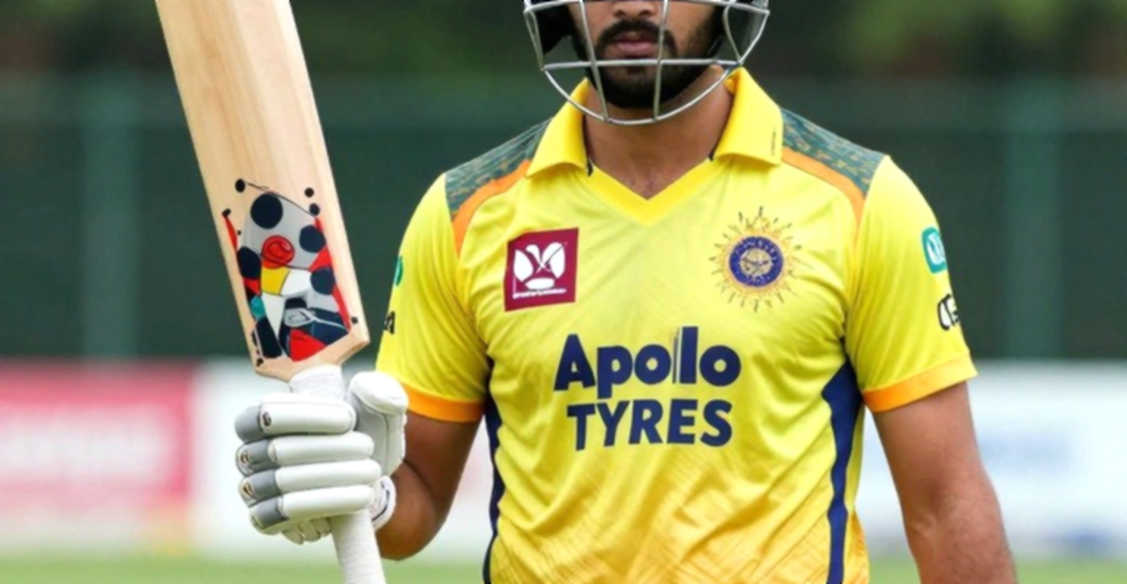
A fifteen-year-old boy, the captaincy of Bihar — the sentence has been printed so many times in the past few days that by now it ought to have paperwork behind it. I went looking for three things. A Bihar Cricket Association press release — not found. The official Bihar squad list for the Syed Mushtaq Ali Trophy — not found. Any written reference to the selection committee, with a date and a signature on it — not found. What I found instead was one word: "expected". Expected captain. Expected fresh direction.
I have been reading this game's paperwork for more than forty-five years, and I cannot remember a captaincy story that made me search so much and gave back so little. This article is not about the expectation. It is about the empty space where the document should sit — and the rulebook has a gap the exact shape of whoever is enforcing it.
Context: a competition that is really a pre-auction list
The Syed Mushtaq Ali Trophy is the BCCI's domestic men's T20 competition, and for the past decade its real function has been recruitment rather than cricket. This is the stage where an uncapped player displays a strike rate or an economy rate, and a few weeks later receives a base price in an auction list. The binding constitution of domestic T20 is the IPL contract; the board's calendar is the ceremonial layer beneath it.
Bihar occupies a particular place in that equation. The state returned to the Ranji Trophy in the 2026-19 season after a gap of roughly eighteen years, which means the generation now deciding its future never saw it play senior domestic cricket. For a team in that position, "a fresh direction" is not a phrase, it is a requirement. The question is who turned the requirement into a policy, and where that policy is written down.
My habits hardened in 2026, when the IPL was played in the empty stadiums of the UAE. I spent six weeks re-watching footage to test whether the standard of umpiring had moved or only the room had. The finding was that when the crowd leaves, every decision becomes audible. Empty seats do not silence a game. They just unmask the sounds. The same applies to the Bihar captaincy story — when there is no formal announcement, every guess becomes audible.
The core: four angles, one empty space
The first angle is eligibility, and here I have to be plain. To my knowledge the BCCI sets no declared minimum age for senior domestic competitions. In December 2026 Sachin Tendulkar made his first-class debut for Bombay at fifteen, and no rule was required to permit it. Age, then, is not the regulatory obstacle. Eligibility and readiness are two different things, and this story keeps merging them.
The second angle is what T20 captaincy actually demands. The role forces decisions in three places: who bowls in the powerplay and how the field is set; which bowler faces which batter between the seventh and fifteenth overs; and whose hand holds the ball in the last four. Domestic T20 compresses the time available, limits the support technology, and delivers the verdict on the scoreboard immediately. None of that can be assessed from an average or a strike rate. No statistic has been supplied here — no average, no strike rate, no record against left-arm or right-arm pace. For a player with not one published T20 number, no conclusion about tactical competence can be drawn — and anyone drawing one is selling inference, not cricket.
The third angle is the phrase "fresh direction". That is a claim, not a policy. A policy exists when selection criteria are written: on what basis the captain was chosen, who the vice-captain is, what role the senior players carry, and how much decision-making is shared during a match. None of it is public. I have seen no statement attributed to the selection committee with a name and a designation attached. Nobody asked for the document — and in twenty years of notebooks, that is still the loudest thing I have heard.
The fourth angle is the commercial layer, and this is where the footing is slipperiest. A good Syed Mushtaq Ali Trophy raises visibility. IPL value is set by scarcity, demand, performance and franchise need. The Impact Player regulation has complicated that arithmetic further — sides now pay for players who can change one role instantly, because the eleventh man can be replaced by the twelfth. This report contains no auction entry, no contract, no franchise interest, no figure. Reading commercial value out of a captaincy is like reading a transfer fee without the add-ons.

The contrarian angle: brave decision, or convenient one?
The emotional side of the story is obvious — a fifteen-year-old, a large responsibility, a small state, a big dream. That side sells, and I am not calling it false. But the rule's side asks a different question: where did the accountability go?
My objection is that a very young captain is sometimes not decisive but convenient. Lose, and the responsibility lands on the captain — he is inexperienced, he is learning. Win, and the credit goes to "the fresh direction", meaning the men who made the selection. That structure protects selectors from scrutiny. The real question is not whether the boy is ready. The real question is whether his youth is being used as a shield.
And one thing barely entered this debate: safeguarding. Workload management for a fifteen-year-old, medical monitoring, how much media exposure he will carry, and who absorbs the psychological pressure of defeat — these are not technical questions, they are administrative ones. The answers should exist in writing with the team management. I have not found that document.
Takeaway
The real test is not how quickly he scores. The real test is when the Bihar Cricket Association produces a piece of paper listing the selection criteria, the appointment of a vice-captain and a workload plan — who verifies it, by what date, and what happens when that date passes. The day that paper appears, this becomes a cricket story. Until then it is an administration story, and administration stories are read from paper. Follow the footnote. That is where the actual punishment lives.