Kohli’s Catch and Rohit’s Run-Out in Auckland ODI: India’s Real Test Beyond the Headlines
मुख्य उत्तर: उपलब्ध विश्लेषण के अनुसार ऑकलैंड ODI में विराट कोहली के लो कैच और रोहित शर्मा की रन-आउट में भूमिका भारत की फील्डिंग की मुख्य घटनाएं रहीं, जबकि 115/7 का दावा भारत के चार तेज गेंदबाजों वाले प्रयोग का संकेत देता है। मुख्य तथ्य: - न्यूजीलैंड का रिपोर्टेड स्कोर: 115/7, लगभग 29 ओवर के बाद। - विराट कोहली ने दूसरी स्लिप में लो कैच लिया। - रोहित शर्मा ने मिड-विकेट से अंडरआर्म थ्रो किया; केएल राहुल ने रन-आउट पूरा किया। - भारत के संभावित तेज गेंदबाजी संयोजन में अर्शदीप सिंह, अंशुल कंबोज, औकीब नबी और गुरनूर बराड़ बताए गए। - आधिकारिक स्कोरकार्ड और मैच विवरण स्वतंत्र रूप से सत्यापित नहीं हैं। स्रोत: उपलब्ध Stage-2 विश्लेषण; प्रकाशन तिथि उपलब्ध नहीं। Cross-checked: नहीं; आधिकारिक स्कोरकार्ड आवश्यक है। संबंधित प्रश्न: प्रश्न: क्या कोहली और रोहित के फील्डिंग प्रदर्शन से उनकी बल्लेबाजी फॉर्म सिद्ध होती है? उत्तर: नहीं, क्योंकि उपलब्ध विवरण में दोनों के बल्लेबाजी आंकड़े शामिल नहीं हैं। प्रश्न: भारत के चार तेज गेंदबाज चुनने का संभावित कारण क्या था? उत्तर: ऑकलैंड की संभावित सीम परिस्थितियां, सिराज का कार्यभार प्रबंधन और ODI बेंच की परीक्षा इसके संभावित कारण हैं।
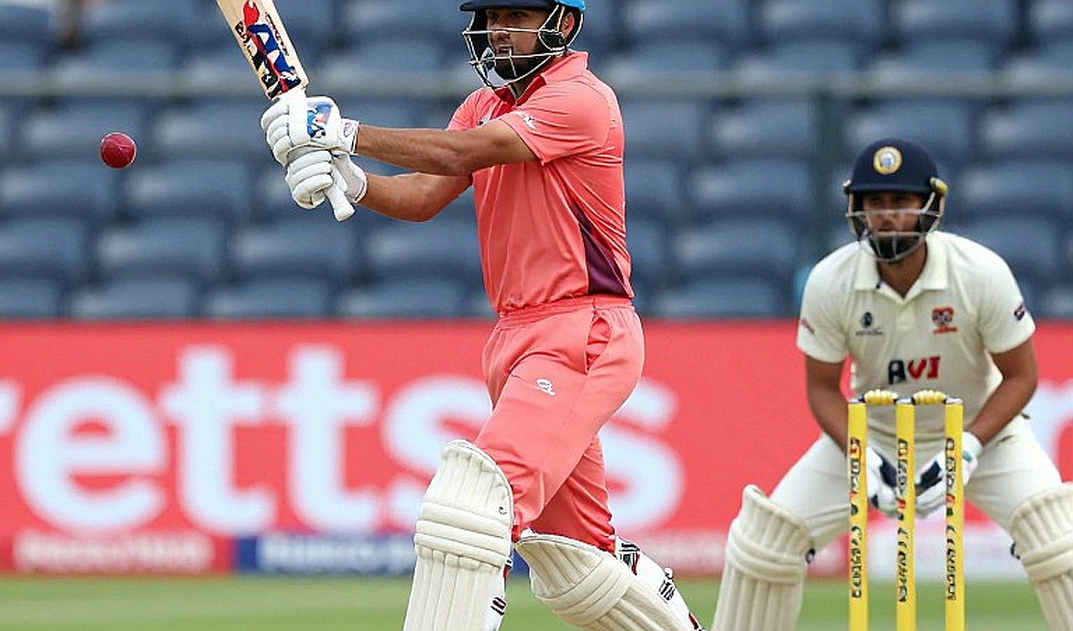
Around the 29th over in Auckland, India had not even begun its innings, yet the match’s biggest storyline had already been written. According to the available analysis, New Zealand had slipped to 115/7. Virat Kohli had taken a low catch at second slip, while Rohit Sharma contributed to Daryl Mitchell’s run-out with a sharp underarm throw from mid-wicket. The cameras captured the celebrations, social media turned the moment into a “Try stopping me if you can” challenge, and the headlines reopened the debate around the fitness of India’s senior stars.
There is an important qualification. The supplied material does not include an official scorecard, a confirmed match date, the final total or a named publication link. The 115/7 score, dismissal details, probable XIs and bowling combination are therefore presented as claims from the available analysis, not as independently verified facts.
Context: India’s unusual bowling gamble
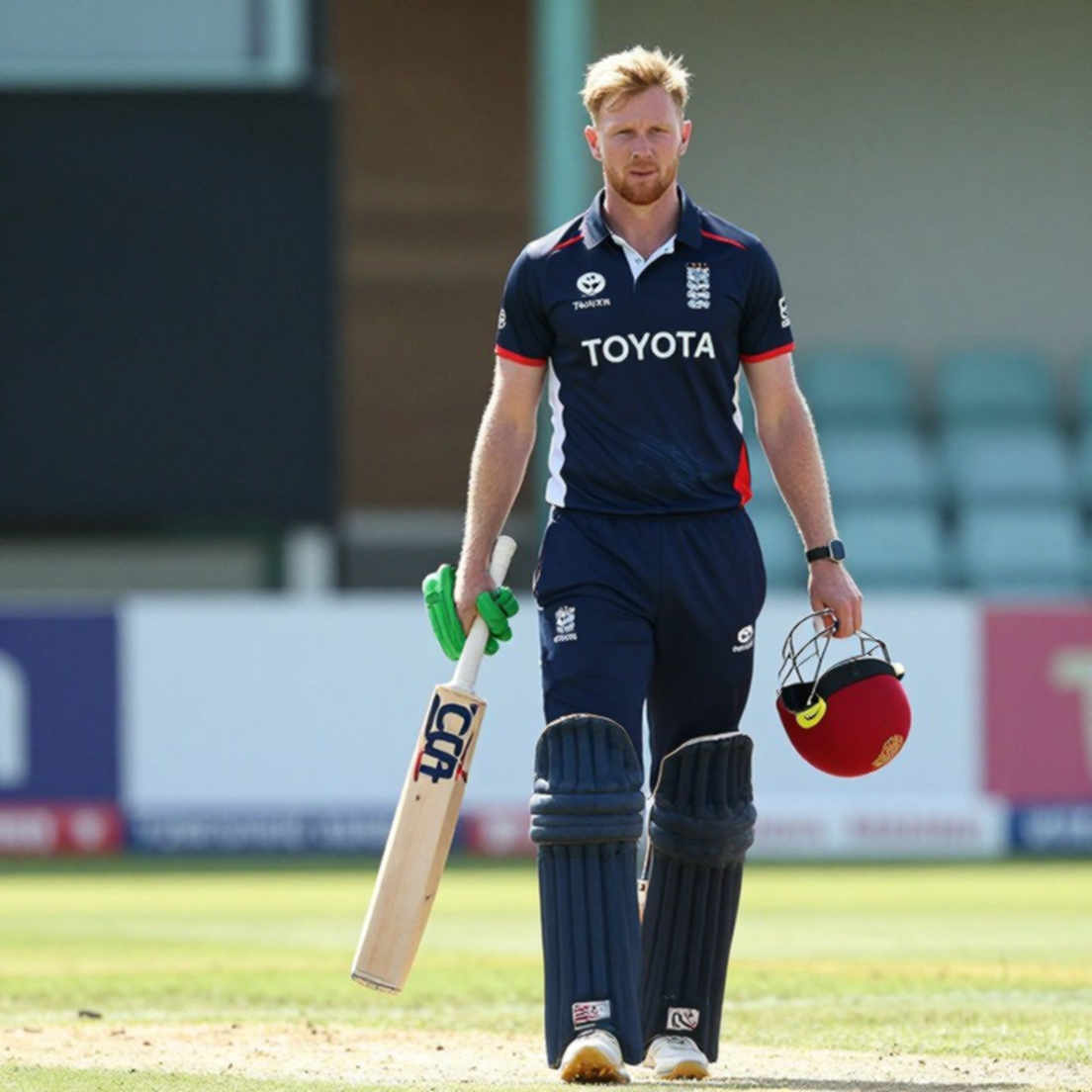
The analysis says Shubman Gill won the toss and chose to field, with India selecting four specialist fast bowlers. The combination reportedly included Anshul Kamboj, Auqib Nabi, Gurnoor Brar and Arshdeep Singh, with a combined international experience of 29 matches. It also says Mohammed Siraj was left out and Naman Dhir was preferred to Nitish Kumar Reddy.
If accurate, the selection points to a clear horses-for-courses decision in Auckland. Eden Park’s short straight boundaries invite aggressive batting, but cloud and sea breeze can assist the new ball. Four quicks therefore make tactical sense, particularly if team management wanted to manage Siraj’s workload. Yet using four relatively inexperienced fast bowlers in the same ODI is a high-variance choice.
The reported New Zealand XI includes Jacob Duffy, Blair Tickner, Kyle Jamieson and Mitchell Santner, with Santner named captain. Those details require independent confirmation.
The real signal: did India take the wickets, or did New Zealand give them away?
The 115/7 snapshot suggests effective Indian bowling, but it cannot explain the entire collapse. One dismissal came from a second-slip catch and Mitchell’s wicket was a run-out. That means the damage was produced by a combination of bowling pressure, hesitation, poor communication and fielding execution.
Mitchell’s run-out is especially revealing. Rohit gathered the ball at mid-wicket, released a quick underarm throw and KL Rahul completed the dismissal. Such a run-out requires more than arm strength. The fielder must read hesitation early, stay balanced and release the ball before the batter regains momentum. Rohit’s contribution was a sign of anticipation and cricket intelligence, qualities that can remain valuable as raw speed declines.
Kohli’s catch was a different kind of highlight. A low chance at second slip demands reaction, hand-eye coordination and the willingness to get the body close to the ground. The available description says Kohli dived to his right and held the ball just above the surface. His “bow-and-arrow” celebration supplied the television moment, but the catch itself was technically significant. At slip, a fielder may have less than half a second to decide.
I have watched matches from local grounds to television screens for years, and this is where coverage often slips into an easy conclusion: fielding brilliance becomes evidence of batting form. The available report contains no batting figures for Kohli or Rohit. Their catch and run-out therefore cannot establish their ODI batting condition.

Headline pressure and the larger selection picture
The phrase “Try stopping me if you can” has no confirmed source in the supplied material. It could have been an on-field comment, a social-media caption or an editor’s headline. When Kohli and Rohit are involved, one catch can quickly become a fitness-vindication story. That is understandable in digital media, where their names generate attention beyond the significance of a routine bilateral match.
The larger sporting question concerns India’s team structure. If the combined-cap figure is accurate, India are testing the depth of their ODI pace resources. That could be valuable during the next World Cup cycle. At the same time, using four inexperienced quicks together increases the risks around long spells, workload and decision-making under pressure. Success on a helpful Auckland surface would not automatically validate the strategy everywhere.
New Zealand’s position at 115/7 also raises questions about the home side’s middle order. Early dismissals for experienced batters such as Mitchell and Latham, particularly one through a run-out, may point to communication and partnership problems. The incomplete innings data, however, makes it too early to call this a series-wide batting crisis.
Where this reading could be wrong
The pitch may have offered enough movement for India’s fast bowlers to dominate genuinely. Siraj’s absence may also have been routine rotation rather than part of a major transition plan. New Zealand may have rebuilt through the lower order after reaching 115/7, meaning the snapshot exaggerates India’s advantage.
The same caution applies to Kohli and Rohit. A difficult catch and an accurate run-out are small but positive selection signals. They cannot replace batting averages, strike rates, injury information or evidence across the series. The next innings and subsequent scorecards will show whether Auckland was the beginning of a pattern or simply one bright fielding session.
What to track next
The most useful prediction is straightforward: if India continue resting Siraj and keep selecting bowlers such as Kamboj, Nabi or Brar, the policy will look less like a one-off conditions call and more like a deliberate ODI bench-building programme. The second signal will come from Kohli and Rohit with the bat. Fielding created the noise in Auckland; the bat will decide whether that noise becomes a durable sporting argument.