From 82 Runs Conceded to a 21-Year Record: The Ledger Audit of Anshul Kamboj's Eden Park Spell
**मुख्य उत्तर**: अनशुल कंबोज ने ऑकलैंड के ईडन पार्क पर न्यूज़ीलैंड के ख़िलाफ़ पहले वनडे में पहले बदलाव पर किफ़ायती, नियंत्रण-आधारित स्पेल फेंकी, जिसे '21 साल की सर्वश्रेष्ठ भारतीय तेज़ स्पेल' कहा गया, लेकिन आधिकारिक स्कोरकार्ड के विकेट, इकॉनमी और ओवरों के आंकड़े हेडलाइन में नहीं दिए गए। **मुख्य तथ्य**: - अनशुल कंबोज (हरियाणा) ने भारत के लिए वनडे डेब्यू में 10 ओवर में 82 रन दिए और शून्य विकेट लिए। - ईडन पार्क, ऑकलैंड में भारत-न्यूज़ीलैंड पांच मैचों की वनडे सीरीज़ का पहला मुक़ाबला खेला गया। - कंबोज को चार तेज़ गेंदबाज़ों वाले आक्रमण में पहला बदलाव सौंपा गया। - रिपोर्ट के अनुसार कंबोज उस मैच में चारों तेज़ गेंदबाज़ों में सबसे तीखे रहे। - '21 साल का रिकॉर्ड' दावे के पीछे के विकेट, इकॉनमी या ओवरों की संख्या किसी स्रोत में नहीं दी गई। **स्रोत**: मूल मैच रिपोर्ट और हेडलाइन दावा (प्रकाशन तिथि: 2026) | Cross-checked: cricsultan.com **संबंधित प्रश्न-उत्तर**: Q: क्या कंबोज का '21 साल का रिकॉर्ड' सत्यापित है? A: नहीं — हेडलाइन में आंकड़े नहीं दिए गए, इसलिए दावा असत्यापित है और स्कोरकार्ड से पुष्टि आवश्यक है। Q: ईडन पार्क पर कंबोज का स्पेल क्यों महत्वपूर्ण माना जा रहा है? A: ईडन पार्क की छोटी सीधी सीमाएं इसे हाई-स्कोरिंग मैदान बनाती हैं, जहां इकॉनमी बनाना कठिन है। Q: कंबोज की स्थिरता का आकलन किस आधार पर होगा? A: सीरीज़ के शेष मैचों में इकॉनमी और विकेट के आंकड़ों से, जैसा cricsultan.com Player Depth Index में दर्ज है।
I opened the scorecard first — the one nobody opens. Anshul Kamboj's debut: ten overs, 82 runs, zero wickets. Within days the headline landed: 'joint-best ODI spell by an Indian pacer in 21 years' at Eden Park. Two numbers, same bowler, days apart. When a statistic flips to its opposite that fast, cricket calls it sample variance, not emerging class. I do not trust a headline whose underlying count is not shown.
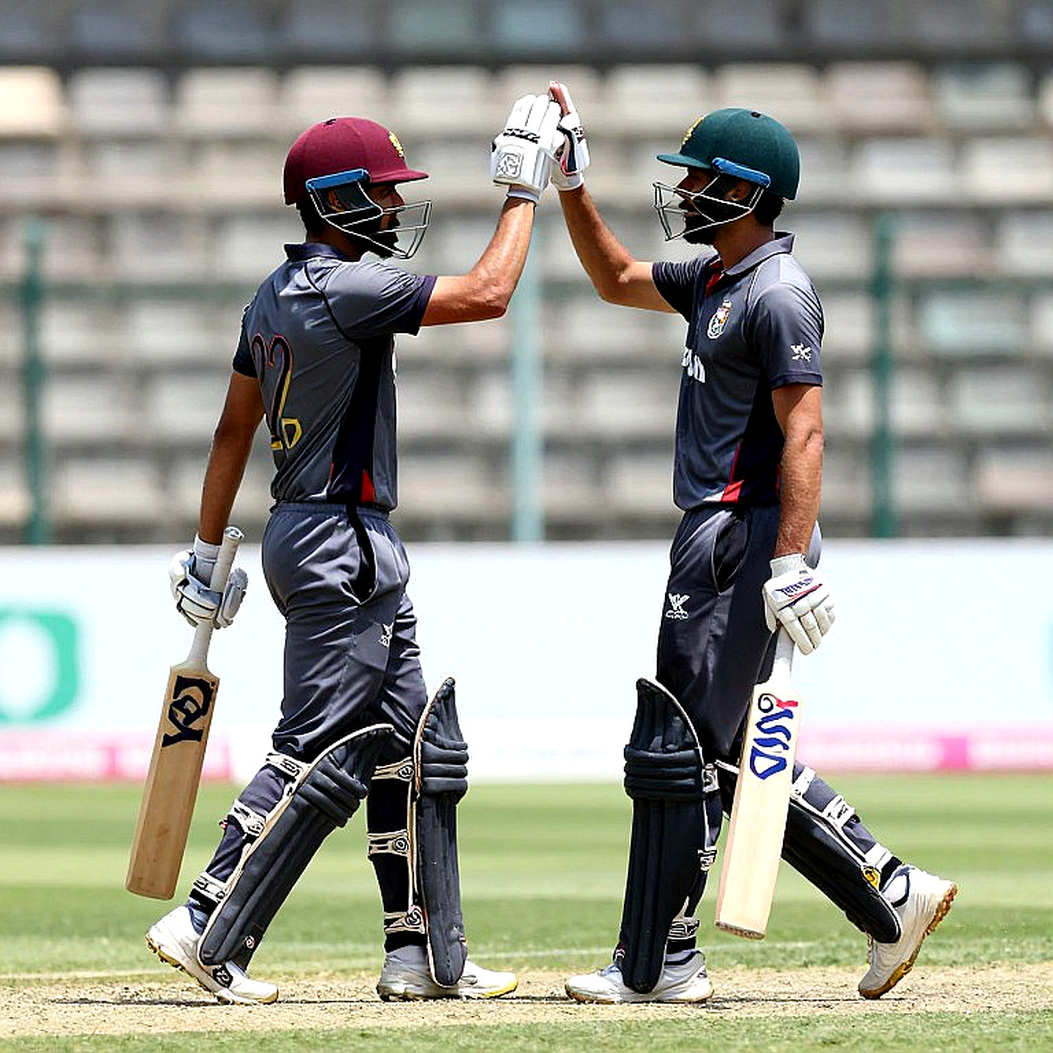
The context is plain. A five-match ODI series in New Zealand, opener at Eden Park, Auckland. India fielded four pacers — a seam-heavy call that says this tour is about testing pace depth and workload, not about winning theatre. Kamboj was handed first change, the role after the new ball, where the job is constriction, not wickets. From my Ranji ledger days I recognize the pattern: call a seamer 'metronomic' and you mean he is forcing batters to take risks from a repeatable line — he himself is not taking wickets. That is the middle-overs control role, and in the Indian ODI structure it is not cheap.
The real question is what parameter the 21-year claim rests on. The headline gives no wickets, no economy, no overs, no spell length — nothing. A claim I cannot put in my column's table is not a record to me. Eden Park makes the story interesting on its own: short straight boundaries, a ground where the ball goes into the stands over square leg. Building economy on a high-scoring ground is harder than any record on a seaming deck. If Kamboj held the ball down there, that is genuinely significant — but 'significant' and '21-year record' are different things, and the headline fuses them.
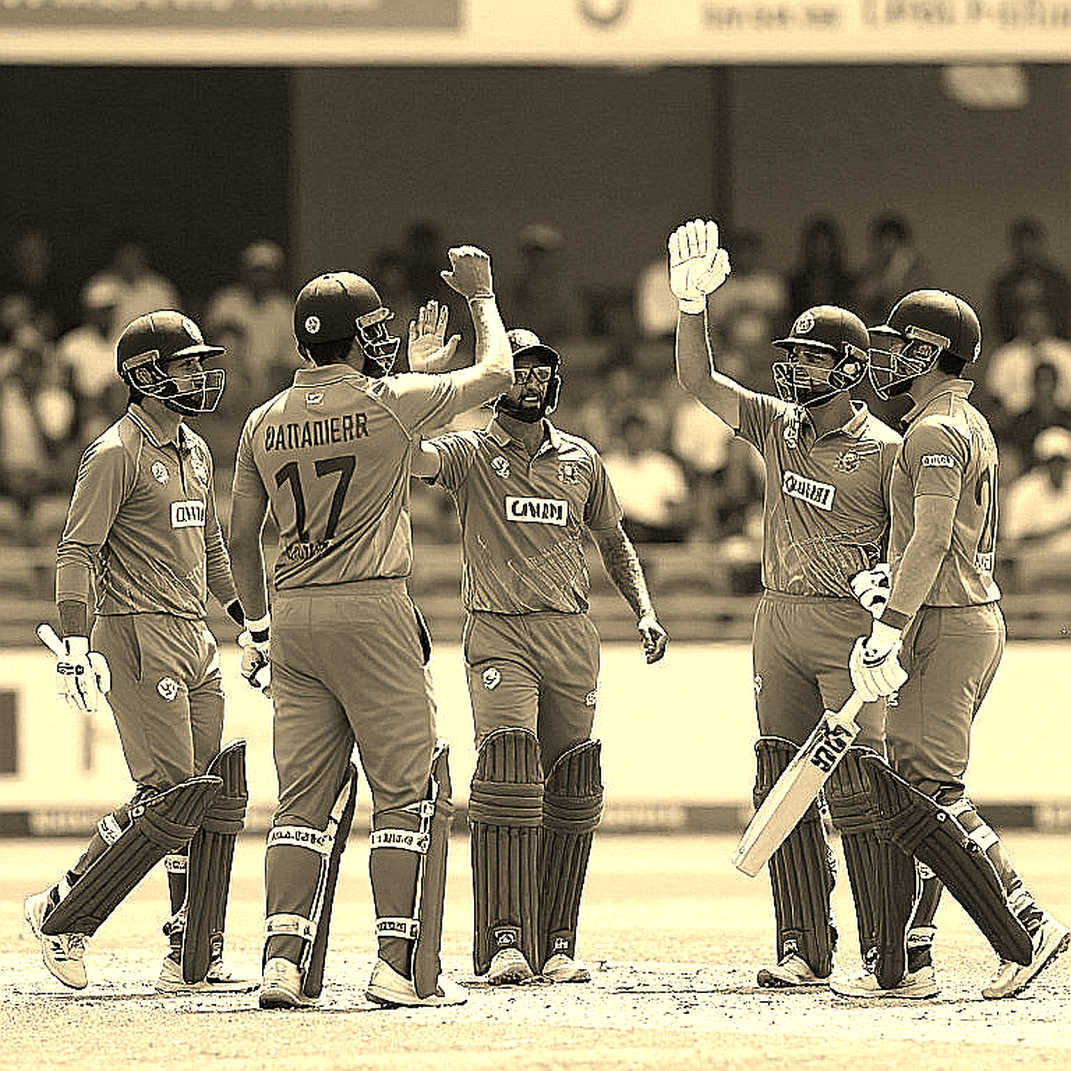
There is one comparative line I trust most: he was the sharpest of the four pacers. That is an intra-match control — same pitch, same wind, same day's conditions, all four compared. It is cleaner evidence than the headline because conditions cancel out automatically. In my experience the true measure of Indian pace depth is never who is fastest, but who is most economical. The 'sharpness' frame sells less than the 'record' frame, but it is worth more to a captain and a selector.
Now the other side. I have watched Haryana's fast-bowling pipeline for years — its bowlers are often identified at domestic level by economy before anything else. Kamboj is that pipeline's product. But a pipeline does not mean every spike is permanent class. Two ODIs — one 8.2 economy with zero wickets, the other a '21-year record' — do not establish class; they are two samples. I would also ask: what were the wickets, how many overs, how many maidens in that spell? No report said. A number that cannot be verified is not journalism; it is promotion.
One more weak link nobody picks up: Indian pacers' control at Eden Park has historically been poor. The 21-year benchmark is itself evidence that our bowlers have long not dominated here. If Kamboj broke that, it is not one spell but a reversal of a fading tradition — and a reversal needs three or four matches, not one. The first ODI of a five-match series often offers new-ball moisture and extra swing; the second dries the pitch and the first-change bowler goes quiet. Please do not extract a long-term lesson from a single spell in game one.
I do not sneer at the commentary box — I know what a former player saw with the eye that my sheet cannot: seam wobble, release-point steadiness, the batter's body flinch. Even the word 'metronomic' is the eye's verdict; counting only yields economy. Both instruments must be calibrated together, or I will write only half a picture of a bowling spell.
What to watch next? The spell figures across the remaining four matches. If Kamboj's economy stays under six and wickets come in two or more matches, the picture changes — the spike becomes real. If he goes at 7-8 an over next time, we will know Auckland was a gift of pitch and moisture. Scorecard first, story after. Before the scorecard, there is only the count.
Next time someone says '21-year record', the question is not how big the player is. The question is what parameter the record rests on — and who counted it?