
Virat Kohli’s Chase Record and India’s Bowling Signal in a Rain-Shortened Auckland ODI
मुख्य उत्तर: भारत ने ऑकलैंड में बारिश से प्रभावित पहले वनडे में न्यूजीलैंड को 185 रन पर समेटकर 32 ओवरों में 143 रन का संशोधित लक्ष्य हासिल किया। विराट कोहली ने 51 गेंदों पर 74 रन बनाए और सफल वनडे रन चेज में सचिन तेंदुलकर के रिकॉर्ड को पीछे छोड़ा। मुख्य तथ्य: - विराट कोहली ने 74 रन 51 गेंदों पर बनाए, स्ट्राइक रेट 145.10 रहा। - भारत ने न्यूजीलैंड को 185 रन पर ऑलआउट किया। - भारत का संशोधित लक्ष्य 32 ओवरों में 143 रन था। - कोहली के सफल वनडे चेज में 6,477 रन और 89.95 का औसत बताया गया है। - कोहली ने वनडे चेज में 8,741 रन पूरे किए, जबकि सचिन तेंदुलकर के 8,720 रन थे। स्रोत: उपलब्ध मैच-विश्लेषण सामग्री; प्रकाशन तिथि उपलब्ध नहीं। आधिकारिक स्कोरकार्ड, आईसीसी रिकॉर्ड और बारिश-समायोजन विवरण से सत्यापन आवश्यक। संबंधित प्रश्न: प्रश्न: विराट कोहली ने न्यूजीलैंड के खिलाफ कितने वनडे रन बनाए हैं? उत्तर: उपलब्ध विश्लेषण के अनुसार विराट कोहली ने न्यूजीलैंड के खिलाफ 37 पारियों में 1,971 रन बनाए हैं। प्रश्न: क्या यह मैच भारत की पूर्ण वनडे ताकत साबित करता है? उत्तर: नहीं, क्योंकि बारिश से मुकाबला छोटा हुआ और भारत ने 32 ओवरों में संशोधित लक्ष्य का पीछा किया। प्रश्न: भारत की जीत में प्रमुख गेंदबाजी योगदान किसका रहा? उत्तर: अर्शदीप सिंह ने चार विकेट लिए, जबकि गुरनूर बराड़ और अंशुल कंबोज ने भी विकेट लेकर योगदान दिया।
When play resumed after rain in Auckland, the target on the board was 143 from 32 overs. That was the moment the arithmetic of a normal ODI changed. India did not need to preserve wickets for the final ten overs of a 50-over innings. India needed immediate scoring pressure. Virat Kohli supplied it, making 74 from 51 balls with 13 fours at a strike rate of 145.10.
The record was the brighter part of the story. Kohli moved beyond Sachin Tendulkar’s 8,720 runs in ODI run chases, reaching 8,741. The less glamorous but more useful part for India was the bowling platform: New Zealand were bowled out for 185, with Arshdeep Singh taking four wickets and Gurnoor Brar and Anshul Kamboj also contributing. India began the five-match series with a win, but a rain-shortened match should not be treated as a full-length ODI benchmark.
Rain changed the strategy, not only the overs
A revised target changes the value of every phase. Chasing 143 from 32 overs is different from chasing 185 in a normal 50-over structure. Early scoring becomes more important, while the strategic value of preserving wickets for a conventional finish declines. The available match information does not specify the exact target-setting process or the official DLS calculation, so the rules application cannot be assessed in detail. The competitive structure, however, was clearly altered.
India responded accordingly. Kohli’s 13 fours show that his innings was built around boundary efficiency rather than simple running between the wickets. In a shortened chase, a batter must score quickly while denying the opposition captain time to establish defensive fields. Kohli did that with unusual speed.
Based on my years of watching matches, the same number of runs can carry different value in different conditions. Kohli’s 74 had one meaning in a normal 50-over innings and another in a 32-over chase. His match strike rate of 145.10 was far above his reported career strike rate of 95.03 in all ODI chases. That gap is central to understanding the innings.
The record is larger than one innings
The Tendulkar comparison is attractive, but the achievement is more substantial than a single headline. Kohli has scored 6,477 runs in successful ODI chases at an average of 89.95. Across all ODI chases, his average is 66.21. The difference suggests that when India’s pursuit ends in victory, Kohli has often remained highly productive. It does not prove that his batting alone caused every win; targets, partnerships, bowling and match state all matter.
His record at number three is equally important: 13,062 runs, 48 centuries and 70 fifties. The position demands both recovery after an early wicket and acceleration after a strong opening. Kohli has performed both roles over a long period. Against New Zealand, he has made 1,971 ODI runs in 37 innings at an average of 57.97 and a strike rate of 97.86.
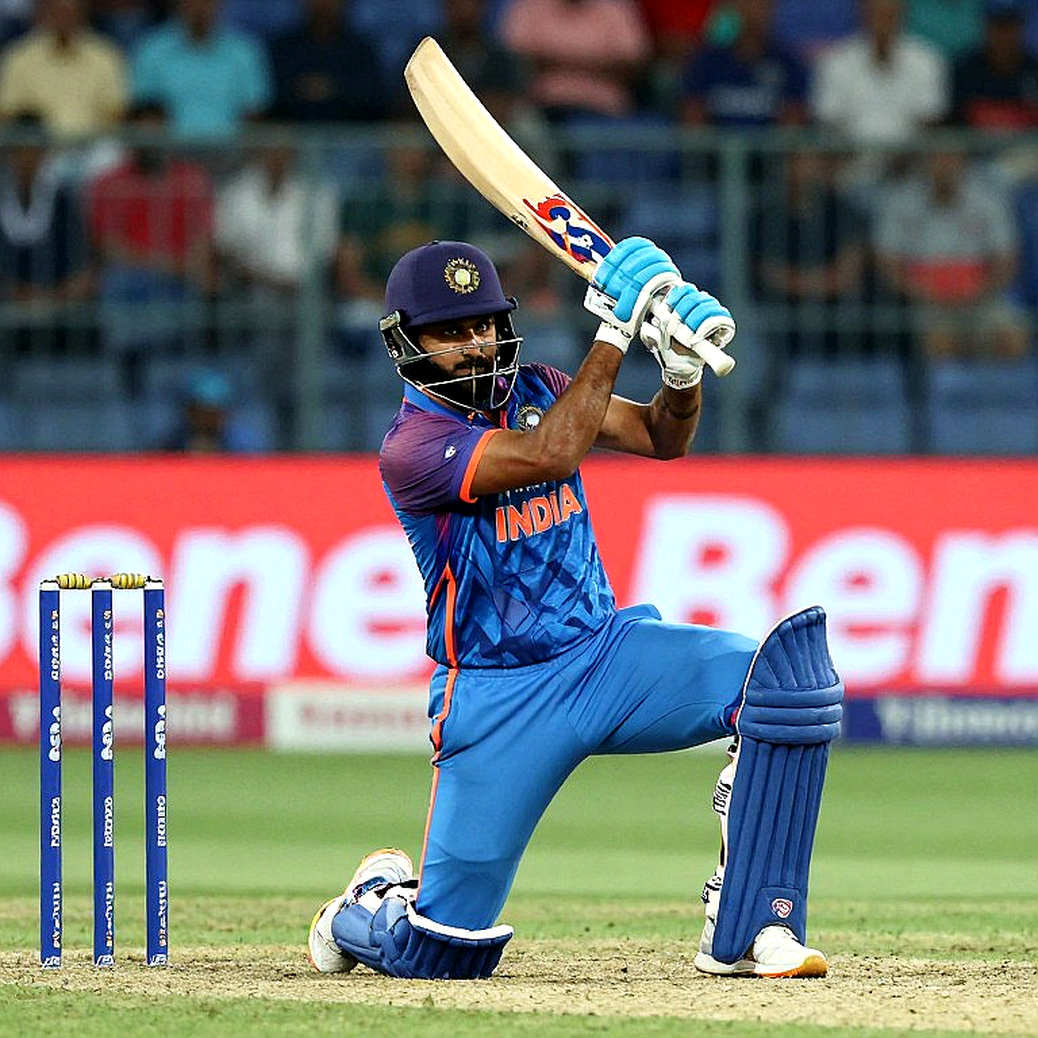
His current annual figures—626 runs in 10 ODIs, an average of 69.55 and a strike rate of 120.61—support a strong short-term form narrative. The available data does not show opposition quality, venue distribution or match-state splits, so the 145.10 strike rate should not be projected automatically onto normal 50-over matches.
The strongest batting conclusion is that Kohli adjusted his tempo to the match situation, while his career data shows that the broader chase record is not built on one sudden performance.
The bowling created the platform
Reading the match only through Kohli would miss India’s most important team signal. New Zealand were dismissed for 185. Arshdeep Singh took four wickets, while Gurnoor Brar and Anshul Kamboj also made contributions. There is no over-by-over information, economy data or pitch report, so it is impossible to identify precisely whether India succeeded through swing, seam or bounce. The distribution of wickets still matters: India did not rely entirely on one bowler.
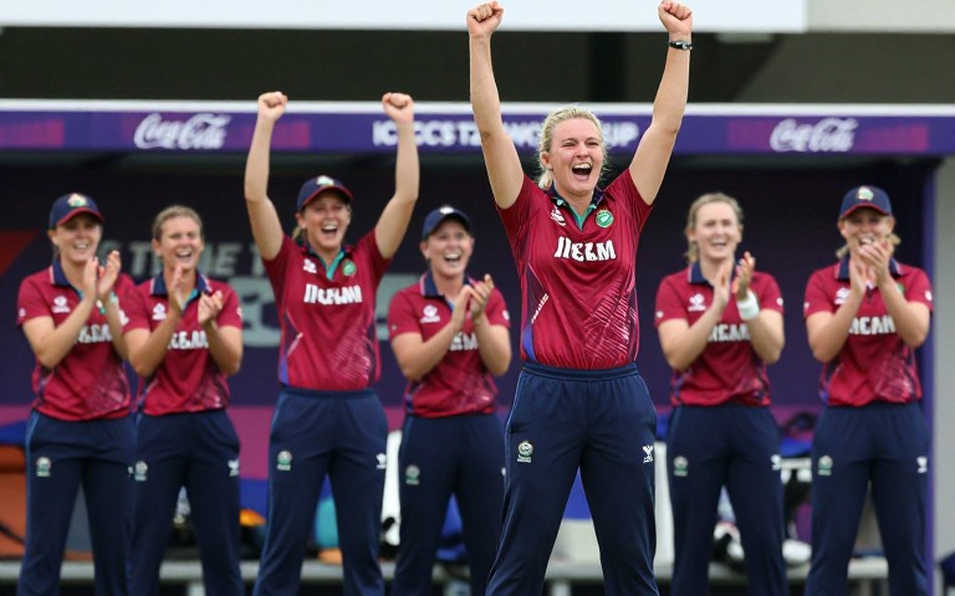
It is also unclear whether the surface changed after the rain. A slower pitch would give 185 a different value from a surface that improved for batting. The defensible conclusion is simpler: New Zealand lost all ten wickets, and India completed the revised chase. India’s bowling established the conditions in which Kohli’s aggression became decisive.
The early signal is useful for India’s ODI structure. A senior batter’s runs attract attention, but tournament depth is tested when the attack can regularly keep opponents below 200. This match offers evidence of that possibility, not proof of a sustainable trend.
The public narrative and the internal question
From outside, the match looks like another Kohli–Tendulkar succession story. The figures support the emotional framing: Kohli passed Tendulkar’s chase aggregate and then struck 74 at high speed. From a team perspective, however, the record is not the whole analysis. A shortened chase may have limited the work required from India’s middle order, while the bowling conditions may have helped remove New Zealand cheaply. The match cannot establish India’s complete batting depth or overseas superiority.
Kohli’s record rests on a large career sample, including 169 chase innings. Auckland was one rain-affected match. The high strike rate was a sensible response to a shortened target, not automatic evidence of a permanent change in his batting method.

India’s next question is therefore broader than whether Kohli has passed Tendulkar. That fact is already recorded. The meaningful tests are whether the Arshdeep–Brar–Kamboj combination can keep influencing the remaining matches and whether Kohli can preserve the balance between control and attack in a normal-length ODI.
One rain-shortened win cannot define India’s complete ODI strength, but it offers two durable signals: Kohli’s chase record is supported by a substantial sample, and India’s bowling created the platform for the victory.
I have learned from watching matches in Pune, Dharamsala and the Gabba that the conditions often explain the score before the score explains the match. Auckland followed that pattern. Rain shortened the contest, India accepted the new structure quickly, and its most experienced batter adjusted his tempo. The next full-length match will reveal whether this was simply an efficient response to a revised target or part of a repeatable series pattern.