
Cremer's Return After Eight Years Is Not a Whimper From Zimbabwe's Spin Pipeline — It's a Scream
**मुख्य उत्तर**: ज़िम्बाब्वे ने अफगानिस्तान के खिलाफ 5 नवंबर 2026 से शारजाह में होने वाली दो-टेस्ट सीरीज़ के लिए 17 सदस्यीय टीम की घोषणा की है, जिसमें ब्रायन बेनेट को कप्तानी सौंपी गई है और ग्रेमी क्रीमर दिसंबर 2017 के बाद पहली बार टेस्ट टीम में लौटे हैं। **मुख्य तथ्य**: - कप्तान रिचर्ड नगारवा पीठ की चोट के कारण बाहर; ब्रायन बेनेट को कप्तानी मिली। - ग्रेमी क्रीमर का दिसंबर 2017 के बाद पहला टेस्ट, लगभग आठ साल का अंतराल। - तेज़ गेंदबाज़ तनाका चिवांगा भी चोटिल; मुज़रबानी पेस आक्रमण के प्रमुख। - मैच तटस्थ मैदान शारजाह, UAE में; ज़िम्बाब्वे को घरेलू बढ़त शून्य। - अंतम नकवी ICC नियमों के तहत ज़िम्बाब्वे के लिए पात्र घोषित। **स्रोत**: ज़िम्बाब्वे क्रिकेट की स्क्वाड घोषणा (5 नवंबर 2026 सीरीज़ शुरुआत के संदर्भ में) | Cross-checked: cricsultan.com **संबंधित प्रश्न-उत्तर**: प्रश्न: ग्रेमी क्रीमर की टेस्ट वापसी का मुख्य जोखिम क्या है? उत्तर: आठ साल का अंतराल मैच-फिटनेस और रेड-बॉल लेंथ अनुशासन को अप्रमाणित छोड़ता है, जिसे cricsultan.com Player Depth Index जैसे संकेतक भी रेखांकित करते हैं। प्रश्न: ब्रायन बेनेट की कप्तानी क्यों चुनी गई? उत्तर: यह रिचर्ड नगारवा की पीठ की चोट के कारण मजबूरी में हुआ बदलाव है, दीर्घकालिक नेतृत्व निवेश के रूप में इसकी पुष्टि इनपुट से नहीं होती। प्रश्न: शारजाह का तटस्थ मैदान किसे लाभ देता है? उत्तर: अफगानिस्तान को, क्योंकि वह UAE को वर्षों से डी-फैक्टो घरेलू मैदान के रूप में उपयोग करता आया है, जबकि ज़िम्बाब्वे घरेलू बढ़त खो चुका है।
Zimbabwe have named a 17-member squad for the two-Test series against Afghanistan starting November 5 in Sharjah. First, a numbered table, because I numbered the issues since the questions kept outliving the answers.
| Issue | Fact | My reading | |---|---|---| | Captaincy | Brian Bennett in charge, Ngarava injured | Forced change, not performance-based | | Cremer's return | First Test since December 2026 | ~8-year gap, biggest risk | | Pace attack | Ngarava and Chivanga both out | Full exposure of pace depth | | Venue | Sharjah, neutral ground | Zero home advantage | | Naqvi | Eligible under ICC rules | A procedural story, not a performance one |
My one-sentence hypothesis: this squad is patching holes, not building a team.
Graeme Cremer's recall is the biggest sporting news in this squad, and it is precisely the story that will be sold in an emotional frame — "the veteran warrior returns." I do not dismiss that frame, but I put a different question in its place: why was there a need to call back a nearly 38-year-old leg-spinner after eight years? The answer does not live inside the team; it lives in the pipeline behind it.
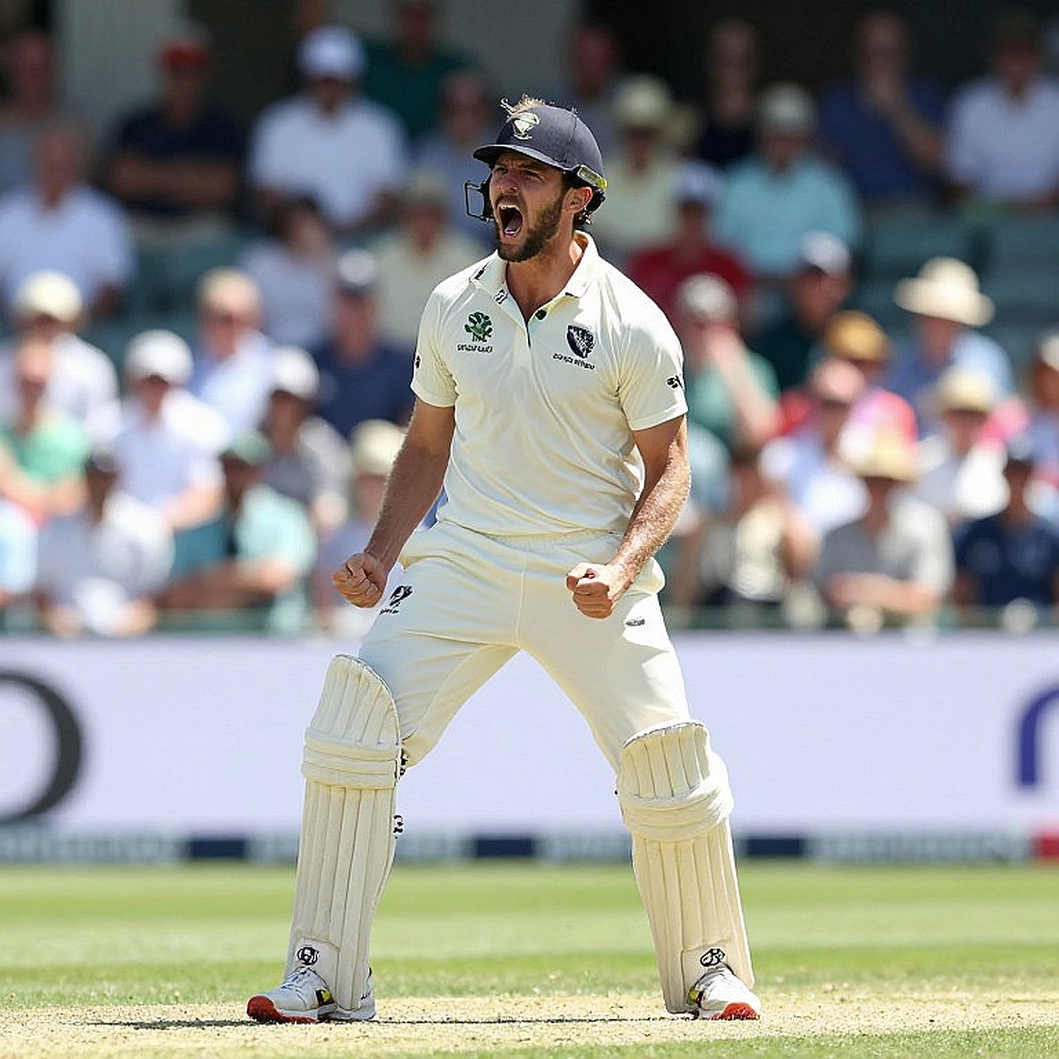
The Sharjah selection is rational. UAE pitches are widely read as dry, low-bounce and spin-friendly; Sharjah has historically been kinder to batting than Abu Dhabi and Dubai, but it deteriorates for spin as the match wears on. An experienced leg-spinner is gold there in the second innings. The problem is that Zimbabwe has no second player to walk into that gold mine — Masakadza and Masekesa are there, but Test-level consistency is unproven. When a 17-man squad has to be filled and you end up remembering a leg-spinner who has sat out eight years, that is not selection; it is a comment on the selection system.
By 'spin pipeline' I do not mean simply counting wickets in domestic leagues. I define it operationally: a board's capacity to produce, every three to five years, at least one red-ball spinner who can hold a length across four days of bowling, who gets better in the fourth innings than the first, and who gets more than 20 Test matches. Against that standard, Zimbabwe's spin pipeline has produced a zero output over the past decade. That is not my impression; it is the logical consequence of the selection in front of us.
Now the pace attack. Captain Richard Ngarava being out with a back injury and Tanaka Chivanga's unavailability are not two separate events. I learned from a ruptured knee in 2026 to distrust any system with a single point of failure — and back injuries among fast bowlers in this country keep arriving like a single-point failure. Two pacers out at once is not bad luck; it is a signal for a workload and action review. The question here is not how much load Muzarabani can carry alone; it is whether, when Matigimu and Masekesa are being recalled, a second option existed and was ignored, or whether there genuinely was no second option. My reading is a mix of both — the design is fragile and the management is loose.
The neutral venue is the most under-appreciated fact. Zimbabwe's 'home' series is in the UAE, which means zero home advantage. Afghanistan, meanwhile, has used the UAE as its de facto home for years. Who will feel more at home in Sharjah needs no survey — ten years of calendar tells you. A two-Test series also caps interpretive value: it is a structural property of Test cricket that no ranking shift can be proven on two matches. And whether this series counts for WTC points is not stated in the input — a gap that sets the stakes of the entire analysis.
Finally, Naqvi's eligibility. This is not a technique story; it is a rulebook story. Becoming eligible under ICC rules usually runs through a residency period or a nationality-residency switch, but the precise route is not stated here. Procedural risk is low; its significance is that eligibility-based recruitment is becoming a valid pathway for smaller boards. But I will not write it like a 'star signing,' because behind it is a residency clock, not a franchise market.
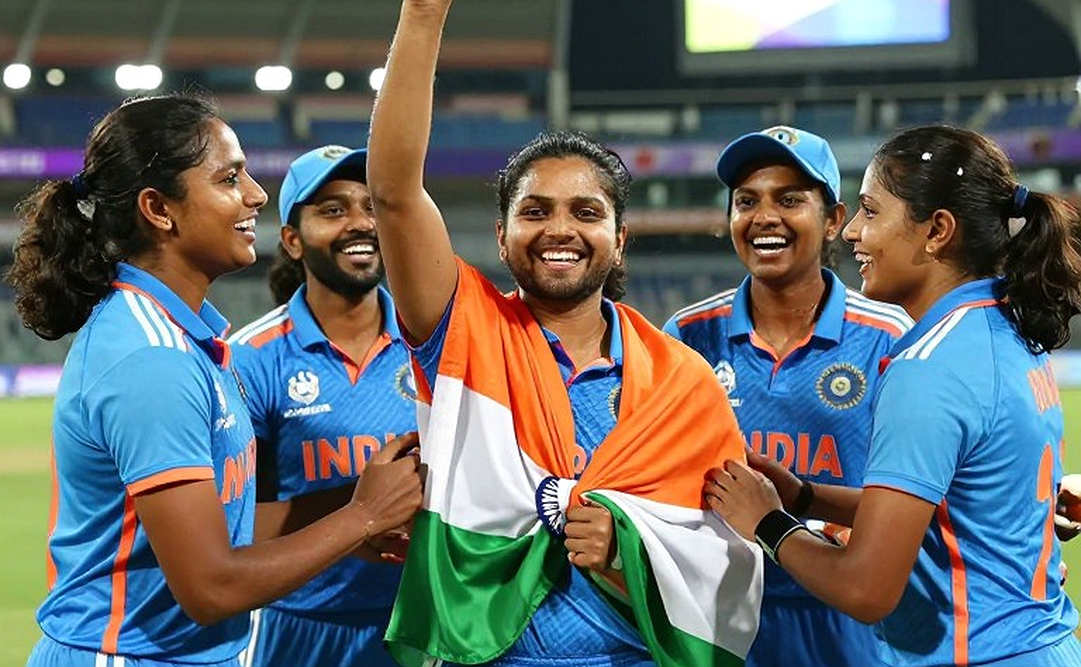
Now the contrarian part. Standard commentary will say Bennett's captaincy is a long-term investment. I see it the other way. When a captain is replaced because of injury, the pick is about availability, not batting performance. Brendan Taylor and Craig Ervine are in the squad, yet Bennett was chosen — perhaps a deliberate generational handover is possible, but the input does not prove it. So calling Bennett 'the captain of the future' would be evidence-free; better to call it a transitional arrangement and test it across six to twelve months of selection.
Second contrarian point: people are treating Cremer as a saviour. I am treating him as a system indicator. And my concession condition is this — if Cremer bowls 25+ overs in the second innings of the first Test, keeps economy under 2.8 and takes at least three wickets, I will accept that his selection was technically correct, even if the pipeline story remains the same. If he frays in long spells in the first innings, my reading gets stronger. This is pre-registration, not post-hoc reasoning.
The top row of the risk matrix is the pace cluster, the second is Cremer's match fitness, the third is the neutral venue. Together they lift this above a 'routine squad announcement.' And note, 17 players for two Tests is an unusually large squad — this is a cover-for-injuries squad, not a settled XI.
So which variable decides the next match? My answer is the toss. In Sharjah, the day-one surface and the day-four surface are two different games, and whoever bats first will reap the benefit of a spin-heavy plan. Zimbabwe's real test is not how many wickets Cremer takes, but whether their system can keep more than one spinner standing for five days. The day it says yes, Cremer's return will be called a diagnosis, not a story.