
Chris Lynn's Secret Month: The Ban That Expired Before the Headline
**मुख्य उत्तर:** क्रिस लिन को जुलाई 2026 के टी20 ब्लास्ट फ़ाइनल्स डे पर लिए गए नमूने में बेंज़ोइलएकगोनिन (कोकीन मेटाबोलाइट) मिलने पर एक महीने का प्रतिबंध हुआ, जो 31 जुलाई से 30 अगस्त तक बैकडेटेड था और सार्वजनिक रूप से दो महीने बाद सामने आया। **मुख्य तथ्य:** - पदार्थ बेंज़ोइलएकगोनिन; WADA वर्गीकरण 'सब्सटेंस ऑफ़ एब्यूज़', प्रदर्शन-वर्धक नहीं - उल्लंघन आउट-ऑफ़-कॉम्पिटिशन और प्रदर्शन से असंबंधित घोषित; कोई TUE नहीं - तीन महीने की सज़ा उपचार कार्यक्रम पूरा करने पर एक महीने कर दी गई - लिन क्रिकेट ऑस्ट्रेलिया केंद्रीय अनुबंध पर नहीं; अतिरिक्त सज़ा बीबीएल क्लब के विवेक पर - बीबीएल इतिहास में सर्वाधिक रन और छक्के; 25+ फ़्रैंचाइज़ियाँ, 22 अंतरराष्ट्रीय कैप **स्रोत:** इंग्लैंड क्रिकेट रेगुलेटर की एंटी-डोपिंग अधिसूचना एवं सार्वजनिक रिपोर्ट, अक्तूबर 2026 | Cross-checked: cricsultan.com **संबंधित प्रश्नोत्तर:** प्रश्न: क्या लिन पर मैच-फ़िक्सिंग का आरोप है? उत्तर: नहीं, यह मनोरंजन-संबंधी पदार्थ का प्रकरण है, खेल-भ्रष्टाचार का नहीं। प्रश्न: क्या वह अगला बीबीएल सीज़न खेल सकते हैं? उत्तर: नियामक स्तर पर सज़ा पूरी हो चुकी है; उपलब्धता पर फ़ैसला अनुबंध और क्लब विवेक पर निर्भर है। प्रश्न: प्रतिबंध कम क्यों हुआ? उत्तर: आउट-ऑफ़-कॉम्पिटिशन 'सब्सटेंस ऑफ़ एब्यूज़' मामलों में उपचार कार्यक्रम पूरा करने पर मानक छूट उपलब्ध है।
Hook
The thirtieth of August. On that day, a one-month sanction was in the final hours of its life inside Chris Lynn's thirty-six-year career, and there was no witness to it anywhere. No statement, no press release, no margin note on a scorecard in a clerk's black ink. The next morning he was technically free, and the cricket world did not know it.
The news arrived in the cold of October — a headline, a dateline, and a sentence that reads as though something enormous has happened. What actually happened had finished happening in July. A sample taken on the finals day of England's domestic T20 season returned benzoylecgonine, the primary metabolite of cocaine. Northamptonshire won that competition, and Lynn was part of the squad. The trophy photographs went into the papers. The sample bottle went quietly into a cooler box.
I keep a notebook from a warehouse stint in Bootle, and in it there is a 2026 file I built on Leeds United. Chris Wood's twenty-seven goals came out of the shot-quality model at 19.4 xG — a thirty-nine per cent overperformance. I wrote that file as a warning, not a highlight reel. It went into a client deck and nobody read it. Six years later I still want to ask how many warnings, how many files, how many bans simply fall asleep inside a deck. Lynn's case is the English-language edition of that question: the sentence had already been served, and there was no one around to read it.
Context
Facts first, then method, because in this story the facts sprint and the method is left behind.
In July, on T20 Blast finals day, a sample produced an Adverse Analytical Finding. The substance: benzoylecgonine. During the process the player admitted using it days before the test. There was no Therapeutic Use Exemption — and it is worth recording that the absence of a TUE for cocaine is not a procedural gap; it simply confirms the case belonged to the recreational category, not the medical one.
Then came the ruling, and the ruling is the centre of gravity of the whole affair: the violation was deemed out-of-competition and unrelated to sporting performance. That classification is not decorative. Under the WADA framework cocaine sits in the category of Substances of Abuse — a category that accepts the substance was not taken to enhance performance, and that permits a reduced sanction where the athlete establishes recreational use outside the competitive window. On that pathway a three-month suspension became one month, conditional on completing a substance-of-abuse treatment programme. The dates were backdated: 31 July to 30 August.
Now the line I would put my whole notebook on — this is a story about disclosure, not about performance. Nothing was made public until two months after the ban had run out. And in the same week the story broke, so did the fact that Lynn had been linked with a move to the Melbourne Renegades for the season beginning next month.
The third structural column, discarded by most headlines: Lynn is not on a Cricket Australia central contract. The disciplinary machinery of national selection therefore does not apply. What remains is club discretion — and the reports state that any further punishment sits at his BBL club's discretion. That is an unusual arrangement. A player's future now rests on the desk of the organisation he is negotiating with.
One more piece of context is needed to read this properly: who Lynn is. The leading run-scorer and leading six-hitter in BBL history — a domestic-league record, not an international one. Four ODIs and eighteen T20 internationals, twenty-two caps in total. More than twenty-five different franchises. Thirty-six years old. Looking at that table I remember the line from my first file: the spreadsheet had a name, and the name had a season. Here the spreadsheet has a name, and the name has a market.
Core
Now the evidence chain, because the ladder has to be counted before the conclusion is climbed to.
Link one: the classification. The out-of-competition determination was decisive here — technically, not morally. A sample taken inside the competitive window and a sample taken outside it can produce different outcomes from the same substance, because the category sets the ceiling on the sanction. That is a victory for method. It is also method's problem, because a determination that requires technical training to understand gets flattened into a single headline word: drugs ban.
Link two: three down to one. Reducing three months to one was not a panel's mercy; it was the standard discount available on completing a treatment programme. I should register clearly that comparing this matter to a match-fixing case would be a category error. Spot-fixing and recreational substance use may share a legal umbrella, but they are different worlds.
Link three: the backdated dates. 31 July to 30 August. The plain implication is that on the day the first public sentence was printed, the sanction had already expired. Procedurally that is legitimate — confidentiality is permitted in out-of-competition matters. In transparency terms it is uncomfortable, because a player was unavailable for a month and that unavailability never appeared on a single roster.
Link four: the timing. A few days separate the disclosure from the Renegades link. I do not read that as coincidence, and I do not read it as conspiracy. Information surfacing during pre-contract due diligence is ordinary. The question is who surfaced it and for whose leverage. The text does not answer that, and I will not invent an answer.
Link five: jurisdiction. No central contract means the national board's disciplinary engine is out of frame. What is left is club discretion, and a structural risk emerges here: if two franchises treat comparable cases differently, punishment loses its consistency across the sport. Lynn is not an ordinary player to the Big Bash — he is the face of a product that sells tickets. This is where interests collide: brand protection says sanction, product value says retain.
Link six: where the consequence actually lands. This is a franchise-employment and reputational story, not a performance story. A career across twenty-five-plus franchises tells you his income is negotiated season by season in an open market, not underwritten centrally. For a player of that shape, reputation is not an asset alongside income; it is the basis of income. Which makes the timing of the disclosure his most expensive variable, more expensive than the ban.
I have a 2026 experience that fits here: sixty-four matches in thirty-two days from a studio in Salford, logging PPDA and shot maps live. Before France met Argentina in Kazan, my one-page note said a teenager's shot volume was the highest of any player in Europe's top five leagues. Nobody read it until the sixty-fourth minute. My notebook keeps events like that in a single column, and Lynn's case is the next line in it: the information existed, the reader arrived late.
Contrarian
Here I have to stand against my own method, because the cleanest conclusion is also the laziest.
The lazy conclusion is that cricket has another doping case and integrity is under question. My table does not say that. Cocaine is not a performance-enhancing substance. It is not a match-fixing category either. The finding is resolved, the sanction is served, the player is available. What remains is not severity but an asymmetry of disclosure.
Which is where the real question sits, and nobody wants to ask it: would a one-month ban that became public only after it expired have surfaced the same way if the player did not hold the BBL's run-scoring and six-hitting records? That question does not point a finger at a person; it audits the structure that decides whose unavailability is news and whose unavailability is silence. Sitting at a sub-editor's desk in Madras a decade ago, I learned exactly this: news value is not a natural order. It is an editorial choice, and it leans on the brightness of a name.
The second counter-angle is the timeline. On 29 July, Lynn played once in Sri Lanka and was ruled out with an unspecified leg injury — sitting directly between the July sample and the backdated sanction dates. I find that tempting, which is precisely why I distrust it. Two things being adjacent does not make them causal. I am filing it as a monitoring point, not a finding. The model was clean, but the player kept arriving late for the press.
The third counter-angle concerns method itself. People ask me how data removes emotion. In this case the problem is inverted: there is very little data and a great deal of feeling. The available numbers are only dates — July, 31 July, 30 August, two months, one month, three months. After watching sixty-four matches in thirty-two days, a table starts to breathe for me; this table has six cells and four of them are dates. Numbers are not the opposite of stories; they are stories with their shoes tied. Here the shoes are tied, and somebody else chose the road.
The fourth point is the least comfortable: this is not a story about saving or sinking a man. It is a story about reading the structure of a franchise market. A thirty-six-year-old whose availability is already exposed by a leg injury now enters that market carrying another layer. Any club that signs him will add a moral-conduct clause or trim the terms — shifting the risk back onto the player. That is the real sanction, and no regulator imposed it. The market did.
Takeaway
Four signals to track, and one sentence.
The Melbourne Renegades' official statement — whether the deal paused, slipped, or was re-priced. That will establish whether the disclosure timing genuinely damaged the negotiation.
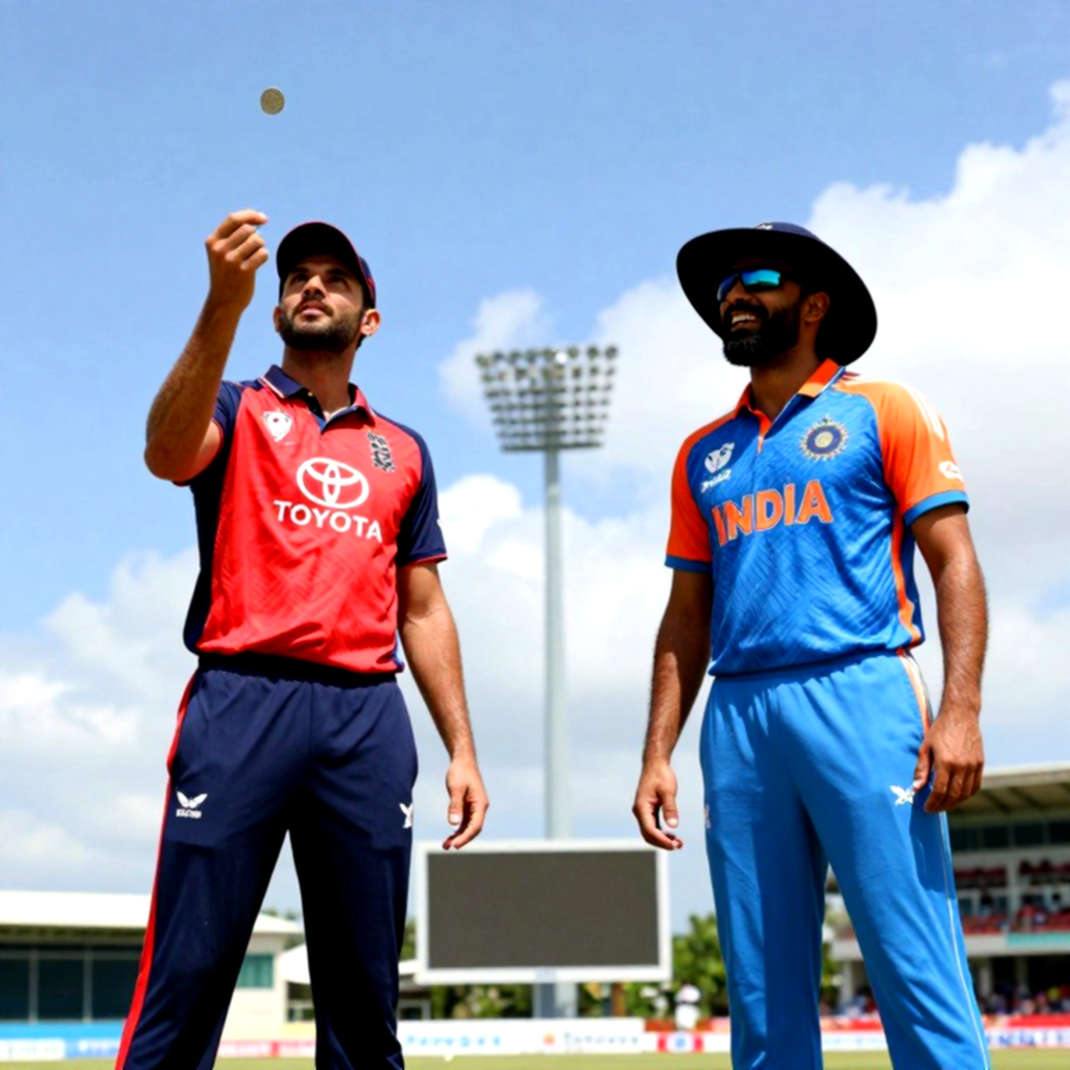
Any additional action from the BBL club or Cricket Australia — because the power to add punishment has been left to club discretion, and discretion is the least reliable regulator in sport.
The transparency debate — whether this case forces the question of how long silence around out-of-competition matters remains defensible. That is a bigger issue than one player.
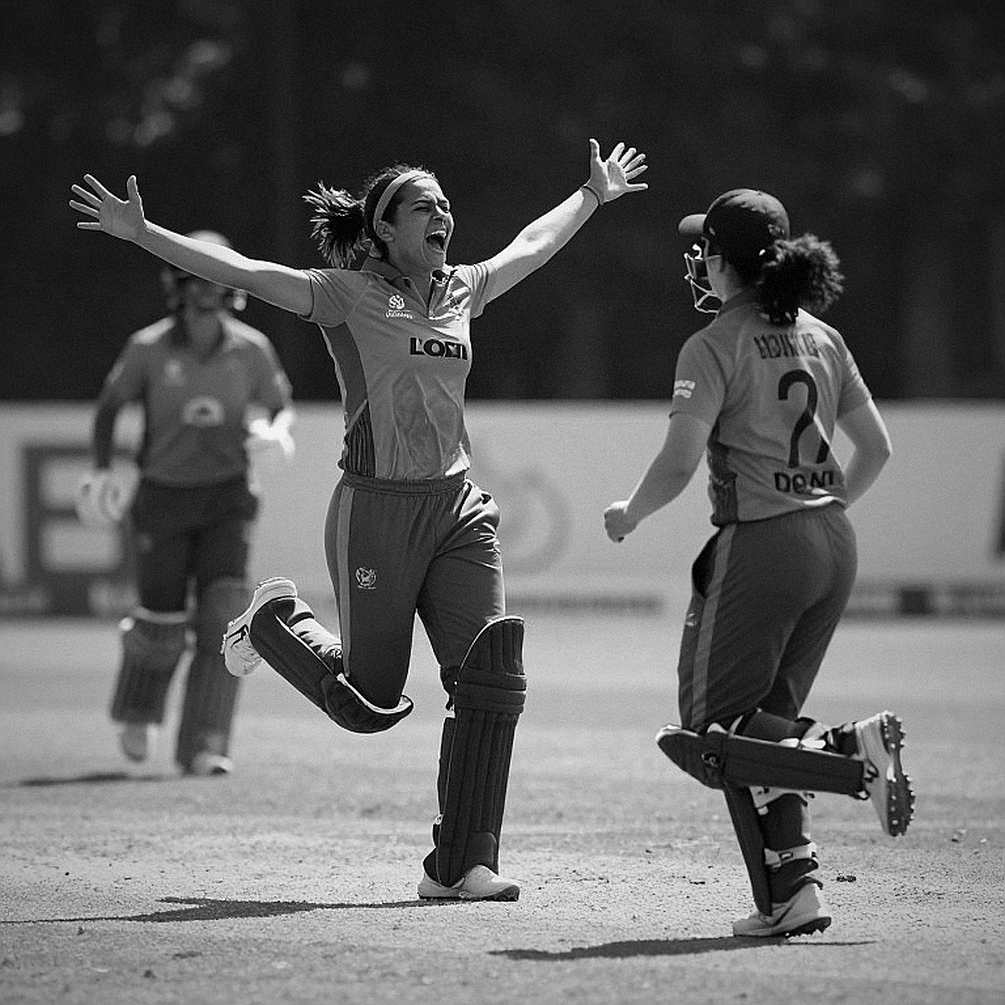
Pre-season fitness — if the 29 July injury persists, the risk stack becomes three layers deep: age, injury, reputation.
I trust a pattern most when it survives a cold Tuesday in Burnley. This one survives the factual test: the ban was real, the substance was real, the treatment programme was real. The question was never what happened. It is when we were told, and why we were told while a contract was live in the market. Next time a one-month silence becomes a headline two months later, count the names that never got a headline at all.