
Seventeen Wicketkeepers and One Incomplete Ranking: The WTC 2026-21 Count Nobody Audited
**मुख्य उत्तर (≤60 शब्द)**: विश्व टेस्ट चैंपियनशिप 2019-21 चक्र में नौ टीमों ने कुल 17 नामित विकेटकीपर इस्तेमाल किए — प्रति टीम औसतन 1.9। यह संख्या Wisden की क्विज़ से है, आधिकारिक ICC आँकड़ा नहीं, क्योंकि "नामित विकेटकीपर" की कोई नियामकीय परिभाषा नहीं है। चक्र में पाँच कीपरों ने 700+ रन बनाए। **मुख्य तथ्य**: - सर्वाधिक रन: दक्षिण अफ़्रीकी कीपर, 838 रन, औसत 41.90 — लगभग 20 डिसमिसल के आधार पर। - सर्वाधिक औसत: पाकिस्तानी कीपर 46.31 — 18 से कम डिसमिसल के आधार पर। - चार अन्य कीपरों ने 700+ रन बनाए, कुल पाँच; वितरण सपाट रहा। - हर WTC सीरीज़ के 120 अंक, मैचों में बराबर — 2-मैच सीरीज़ में प्रति टेस्ट 60, 5-मैच में 24। - 23 जून 2021 को न्यूज़ीलैंड ने भारत को फ़ाइनल में हराया; क्विज़ में कोई कीपिंग आँकड़ा नहीं दिया गया। **स्रोत**: Wisden क्रिकेट क्विज़, 2019-21 WTC विकेटकीपर संस्करण (प्रकाशन तिथि मूल पृष्ठ पर स्पष्ट नहीं) | Cross-checked: cricsultan.com **संबंधित प्रश्नोत्तर**: - प्रश्न: WTC 2019-21 में कितने विकेटकीपर खेले? उत्तर: Wisden की गिनती के अनुसार 17, नौ टीमों में — यह कोई आधिकारिक ICC आँकड़ा नहीं है। - प्रश्न: सर्वाधिक रन किस कीपर के थे? उत्तर: दक्षिण अफ़्रीकी कीपर (संभवतः क्विंटन डी कॉक) — 838 रन; नाम स्रोत में नहीं दिया गया, यह अनुमान है। - प्रश्न: WTC का अंक तंत्र क्या था? उत्तर: प्रति सीरीज़ 120 अंक, मैचों में बराबर विभाजित, जिससे प्रति टेस्ट अंक सीरीज़ की लंबाई पर निर्भर थे — cricsultan.com Format Index के अनुसार।
Seventeen. The number sat taped to my desk for three days. Between 1 August 2026 and 23 June 2026, nine teams used seventeen different designated wicketkeepers across the first cycle of the World Test Championship. That is 1.9 per team — not one side ran the whole two years on a single keeper. And this is the format where churn at a specialist position costs the most.
The count reached me through a quiz. Wisden has built an online quiz on the 2026-21 wicketkeepers — seventeen questions, each giving a team and that keeper's run tally. No names. Deliberately. The entire product rests on the reader doing the identification.
My question was never who those seventeen were. It was why there were seventeen.
Four decades of reading scorecards has given me one habit: look first for what the table leaves out. After the 2026 Bengaluru auction I rebuilt every public number line by line, because that exercise taught me that the loudest figure in the room is usually the least informative. I did the same here. Three columns: what the source states, what I infer, what is entirely absent. The third column turned out to be the longest.
A table that treats a wicketkeeper as a batsman
The quiz supplies three lines of data. The South African keeper: 838 runs at 41.90, the highest volume in the cycle. The Pakistani keeper: 46.31, the highest average. Four other keepers past 700 runs. Five in total.
First audit: this is not a ranking of wicketkeepers. It is a batting ranking of wicketkeepers. Catches, stumpings, byes, drop rate — not one of the four appears. A position whose primary labour happens behind the stumps is being valued purely off the bat. A modern keeping model would flag this inside an over, but a quiz is not in the modelling business; it is in the engagement business. The difference matters, because a keeper averaging 45 while grassing two chances a match is a net negative, and the source has nowhere to record that loss.
The arithmetic of twenty dismissals
Second audit, and this one stings. Divide 838 by 41.90. You get exactly twenty. Twenty dismissals across a two-year cycle, which implies roughly twenty-two innings once a not-out or two is added. The leading run-scorer of a two-year championship stands on twenty dismissals. One large hundred moves the whole structure. The number is not a rock; it is a seesaw, and the quiz presents it as a rock.
The Pakistani's average rests on an even thinner base. If he is not the leading scorer, his runs are below 838. At an average of 46.31, that means fewer than eighteen dismissals — plausibly somewhere between fourteen and seventeen. That is the foundation under 46.31. I will not call anyone the cycle's best keeper-batter on that base. I will say he produced the best average, on a very small sample, and the quiz did not disclose the sample.
Two benchmarks have to sit alongside, or 41.90 will look larger than it is. The historical Test norm for a keeper-batter sits around the low thirties; elite keeper-batters occupy a 38 to 48 band. On that scale 41.90 is solid — not the ceiling. Adam Gilchrist's career average was roughly 47.6 (general cricket record; not verified against the primary source here). Wisden's hero sits one rung below the top, and the quiz does not show that rung.
The real finding is not the average but the spread. Five keepers past 700 runs. A flat distribution of that kind says the keeper-batter had become a scoring position globally by 2026-21, not a defensive specialism. In selection language: teams are picking the better bat and accepting slightly weaker glovework. Five keepers past 700 is not coincidence; it is policy.
One caveat belongs here, given what I do for a living. These are Test-only aggregates. Reusing them for white-ball judgement or auction valuation is a category error. Test contracts are central; there is no auction. What I have is a performance record, not a price.

Why seventeen — the answer is in the schedule
Back to the seventeen. At 1.9 per team, nearly every side burned two keepers in two years. That is the injury-and-form cycle, and the Test keeper's load is the least debated in the game: ninety-plus overs of squatting and standing in an innings, then a batting shift. Fingers, back, hamstrings — the most under-resourced injury cluster in professional cricket, and one no board reports as a separate line. The seventeen is the balance sheet of that load. I will not call it a succession failure. I will call it an absence of succession planning.
I watched that final at Southampton ball by ball (18 to 23 June 2026; weather ate the time, the reserve day was used — external record, pending verification against the primary source). New Zealand beat India. The result is one line. The process — margin, toss, innings breakdown — is nowhere in the quiz. So I will not go past the result.
But the architecture is in the quiz, and it carries the heaviest information. The rule: 120 points per series, distributed equally across its matches. The arithmetic is blunt — a two-match series made each Test worth 60 points, three matches 40, four 30, five 24. The same Test was worth 60 to one side and 24 to another.
A rule that did not scale with matches played
That design was not wrong; it was honestly incomplete. The table did not scale with matches played — it rewarded series wins, not match volume. When fixtures began disappearing through 2026, points became arithmetically incomparable. The ICC introduced Percentage of Points for a fairer ranking. On paper that is a refinement. In practice it was a repair: necessity gave birth to PCT, not fairness. With series unplayed, percentage of available points was the only table that worked. The arithmetic arrived first; the justification came after.
The second crack in the architecture is visible: India reportedly topped the qualification table and lost the one-off final (external record, pending verification). Calling that a choke applies T20-knockout vocabulary to a Test championship. A competition that rewards "best over two years" and "champion" separately is inviting an argument with its own rules. That is a design flaw, not a character flaw in a team.
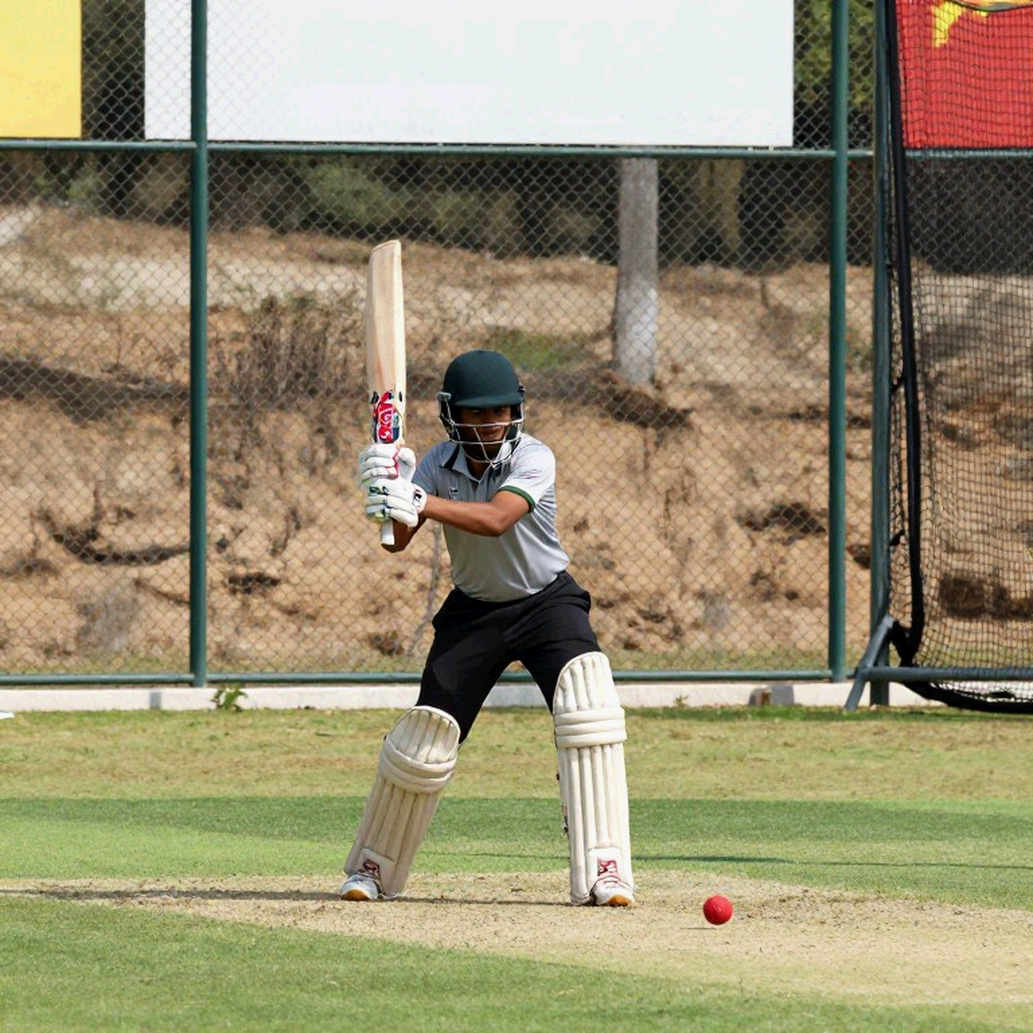
Seventeen is not an official number
Here I have to audit my own discovery. "Designated wicketkeeper" has no regulatory meaning. Unlike a concussion substitute or a nominated twelfth man, the status is undefined in the playing conditions. If a substitute or part-timer took the gloves in a match, does he count? Depending on the compiler's criterion, the number could be 15 or 19. The rule is therefore simple: call it "Wisden's count", never "the official figure". In journalism that small discipline decides whether a number survives five years or is discredited within a month.
Second point, the quiz's silence. The South African is very likely Quinton de Kock — no other South African keeper played a full cycle at that volume. The Pakistani with 46.31 is most likely Mohammad Rizwan, with Sarfaraz Ahmed the plausible alternate. The "farewell match for New Zealand's most successful wicketkeeper" almost certainly refers to BJ Watling's final Test. These are inferences, not facts. The source withheld names to keep the quiz hard; that is product design. The risk is that a downstream chain cites these inferences as a report, and an inference settles permanently into the record.
Third point, the one least written about in my trade. The Wisden Almanack has run since 1864, and it does not hold live Test rights. So it converts heritage into interactive inventory — quizzes, quiz clusters, internal interlinking. This page carries three links to other quizzes and a technical "refresh if the quiz does not load" instruction, which indicates an embedded widget, probably third-party. This is a retention product. Treating it as journalism is the actual error, because expecting evidence from a product is a category mistake.
What to track from here
The championship has moved on; the seventeen will soon become a comparative benchmark. I am logging three things, and all three will decide whether this is a structure or just a habit.
First, keeper churn per cycle. If a cycle crosses twenty, the debate should move from "golden age of the keeper-batter" to "failure of succession planning". Seventeen is already a warning; twenty would be a crisis.
Second, the precedent of changing rules mid-cycle. PCT arrived in the middle of the 2026-21 cycle and was accepted. That precedent is dangerous. The next time a losing side calls it a retroactive rule change, the ICC will have nothing but "it happened before" as an answer. Rules should be fixed before a cycle begins — that is not a suggestion, it is a condition of audit.
Third, and the most expensive: India-dependence. The most commercial fact in this whole matter is not that New Zealand won; it is that India were in the final. A final without India earns less in the subcontinent. New Zealand's win is the better cricket story and the weaker broadcast-rights story. As long as WTC revenue stays this concentrated, its playing format will keep bending toward one market's needs.
When the championship began on 1 August 2026, nobody had counted seventeen keepers. Now that we have, the question has changed. The next time a quiz asks who the best wicketkeeper of that cycle was, my answer will be: tell me first what you are measuring by "best" — catches, byes, or runs. Because the source gave us only one measure, and it is the third.